22:13
UNSETTLED: Inside the fight to shut down a dangerous polluter
Los Angeles Times
Overview
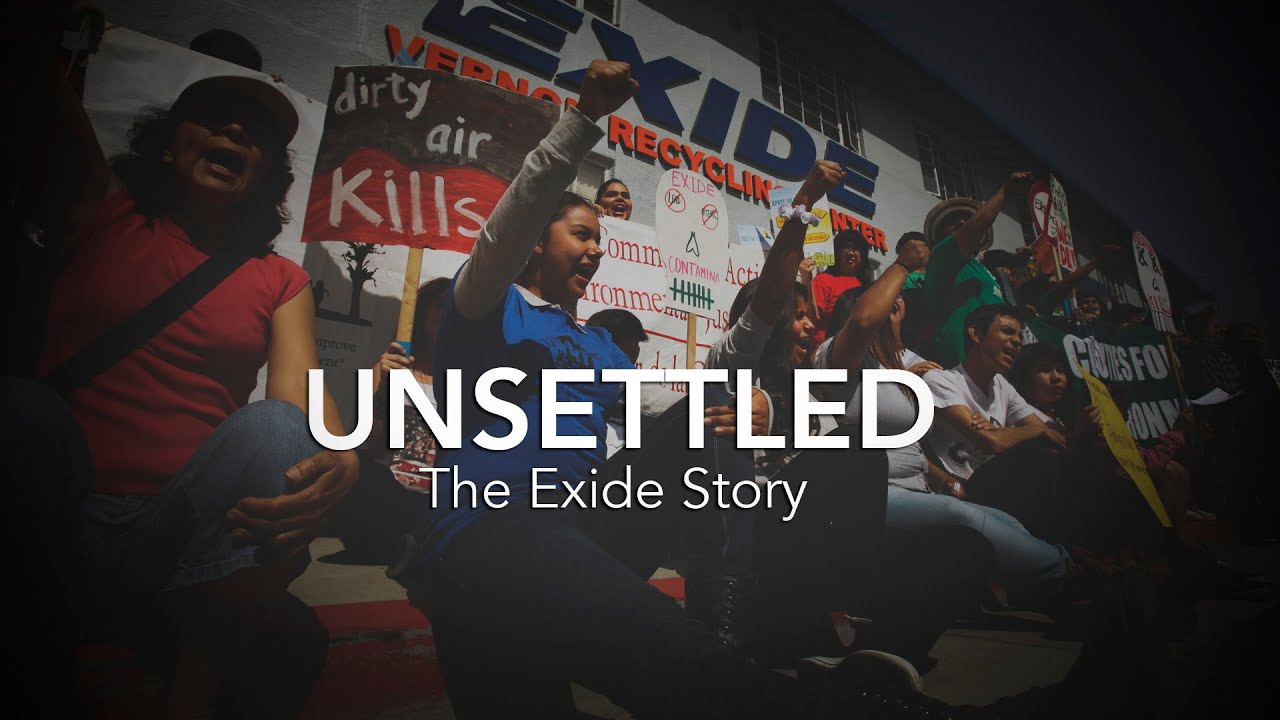
This video chronicles the long and arduous fight by residents of Los Angeles' East Side to shut down the Exide battery recycling plant, a notorious polluter. For decades, Exide contaminated the air and soil with lead and arsenic, disproportionately affecting low-income communities and communities of color. The film highlights the residents' resilience, their struggle against corporate and governmental inaction, and the eventual closure of the plant. It also examines the systemic failures of regulatory agencies like the California Department of Toxic Substances Control (DTSC) and the ongoing challenges of environmental justice and community health.
How was this?
Save this permanently with flashcards, quizzes, and AI chat
Chapters
- Exide Technologies operated a lead-acid battery smelter in Vernon, Los Angeles, since 1922, with Exide taking over in 2000.
- The plant continuously emitted dangerous pollutants like lead and arsenic into the air and soil.
- Lead exposure, particularly in young children, can cause severe health problems including developmental issues and lower IQ.
- Exide accumulated numerous hazardous waste violations and was repeatedly cited for exceeding toxic air pollution limits.
Understanding the specific pollutants and their health impacts is crucial for grasping the severity of the environmental threat faced by the community.
Government emissions records revealed Exide spewed cancer-causing arsenic and lead, a poison known to damage the brain and cause learning disabilities, especially in young children playing in contaminated soil.
- Residents, like Mark Lopez and Terry, organized and advocated for the plant's closure, demanding environmental justice.
- The fight was driven by a deep sense of responsibility for community well-being, even when facing personal health consequences.
- Activists questioned the right of serial polluters to obtain operating permits, highlighting the lack of protection for affected communities.
- The struggle involved years of persistent effort, demanding accountability from both the company and regulatory bodies.
This chapter illustrates the power of community organizing and sustained advocacy in challenging powerful industrial polluters and demanding accountability.
Residents demanded that Exide be shut down, with activists like John Moretta stating, 'we were fighting Exide to make sure that our babies... don't have to fight Exide in 20 years.'
- Despite repeated violations and health risks, Exide was allowed to continue operating for decades.
- The California Department of Toxic Substances Control (DTSC) faced criticism for lax oversight, weak enforcement, and issuing minimal fines.
- Exide appealed attempts to shut it down, often continuing operations while legal processes unfolded.
- A settlement with the Justice Department eventually led to the plant's closure and a $50 million payment for cleanup.
This section reveals how systemic failures in regulatory oversight can enable long-term environmental damage and prolong community suffering.
The DTSC issued only seven fines for dozens of hazardous waste violations over 15 years, while the facility operated without a full permit for three decades.
- Soil tests revealed lead levels in neighborhoods surrounding Exide were significantly above hazardous waste limits.
- Residents experienced health issues such as asthma and learning disabilities, with many suspecting a link to Exide's pollution.
- Lead is a silent poison, and its symptoms can be varied and non-specific, making diagnosis difficult.
- Despite the plant's closure, many residents still await cleanup of their contaminated soil and answers about their health.
This chapter underscores the direct, tangible harm caused by industrial pollution and the ongoing struggle for remediation and health support for affected families.
Terry's soil tested above 1,000 parts per million, far exceeding the hazardous waste limit, yet her yard had yet to be cleaned up long after the plant's closure.
- Exide admitted to two decades of criminal conduct but avoided criminal charges through a federal agreement.
- Questions remain about who was responsible for the DTSC's past failures and why action wasn't taken sooner.
- The DTSC acknowledged its shortcomings and committed to systematic improvements and listening to the community.
- The potential cost of widespread soil remediation could reach hundreds of millions of dollars, raising concerns about funding and responsibility.
This section addresses the complex issues of accountability for past harms and the significant challenges in ensuring future protection and adequate remediation.
The DTSC director apologized for the department's failure to act sooner, stating, 'we did not listen well to you,' and acknowledging that people who could explain past failures are no longer with the department.
Key takeaways
- Environmental justice requires active community engagement to hold polluters and regulatory agencies accountable.
- Sustained advocacy and collective action are essential for achieving meaningful change in the face of corporate and governmental inertia.
- Lead pollution poses severe, long-term health risks, especially to children, necessitating stringent environmental regulations and enforcement.
- Regulatory agencies must prioritize public health and environmental protection over industry interests, demonstrating transparency and effective oversight.
- The legacy of industrial pollution creates ongoing challenges for communities, including health issues and the need for extensive environmental remediation.
- Even after a polluter ceases operations, the fight for justice, cleanup, and compensation for affected individuals can continue for years.
Key terms
Exide TechnologiesLead-acid battery smelterArsenicLead pollutionEnvironmental justiceHazardous waste violationsToxic air pollutionCalifornia Department of Toxic Substances Control (DTSC)Soil contaminationRemediation
Test your understanding
- What were the primary pollutants emitted by the Exide plant, and what are their known health effects?
- How did community members organize and advocate to address the Exide pollution crisis?
- What systemic failures within the DTSC contributed to the prolonged environmental damage caused by Exide?
- Why is it challenging to definitively link specific health symptoms to lead exposure, and what are the broader implications for affected communities?
- What are the key challenges and responsibilities moving forward for both the community and regulatory agencies in the aftermath of the Exide plant closure?