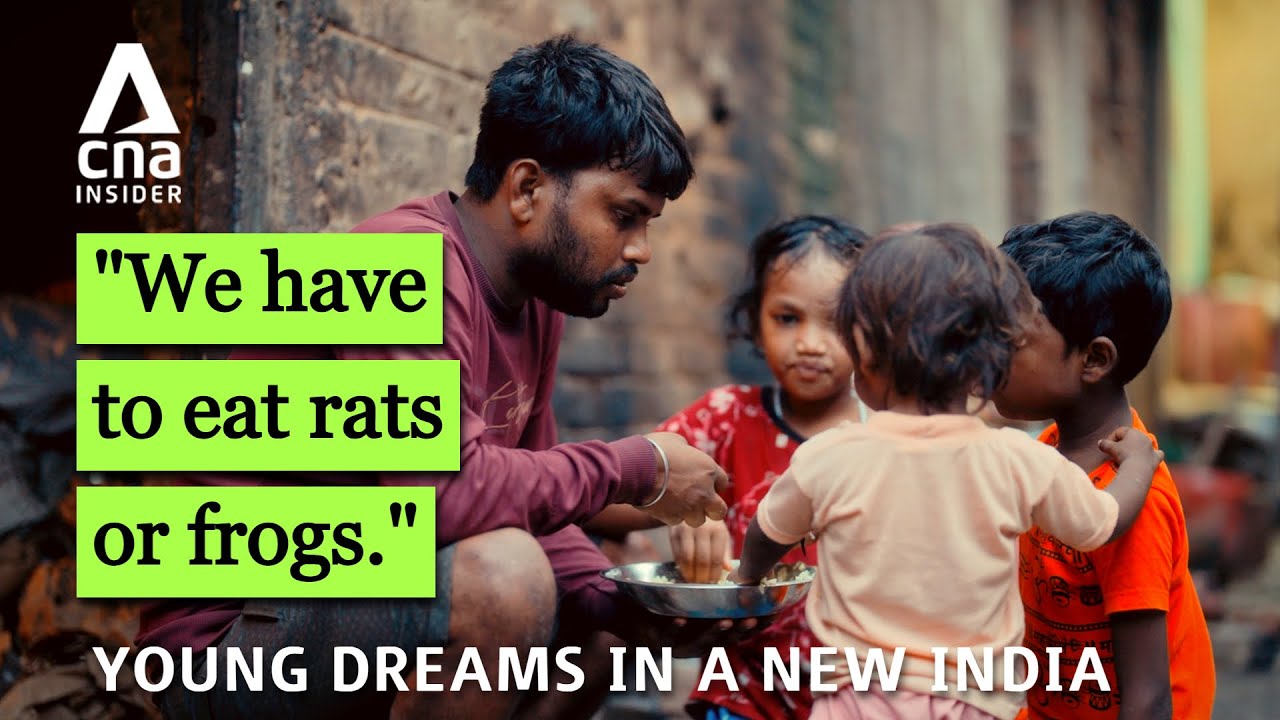
India’s Youths Tackle Widening Inequality: Can They Bridge The Divide? | Young Dreams In A New India
CNA Insider
Overview
This video explores the challenges of widening inequality in India and highlights the efforts of its youth to bridge the divide. It examines issues faced by marginalized communities, such as the Musahar, focusing on disparities in wealth, employment, and access to essential services like education and healthcare. The narrative showcases young entrepreneurs, educators, and social workers who are innovating and creating opportunities in rural areas and smaller cities, demonstrating a growing movement towards inclusive growth and empowerment. The film emphasizes the potential of investing in early childhood education, digital literacy, and accessible healthcare to foster a more equitable future for all Indians.
Save this permanently with flashcards, quizzes, and AI chat
Chapters
- India faces significant and increasing economic inequality, with the top 1% owning a disproportionate amount of wealth.
- Growth in India is often built upon existing societal inequalities, including those based on caste, gender, and location.
- Segmented labor markets persist, with certain castes historically confined to specific, often lower-level, jobs.
- Disadvantaged groups like Scheduled Castes and Tribes are underrepresented in higher-level government positions.
- Food insecurity is a major issue for marginalized communities like the Musahar, with poverty limiting dietary choices.
- Government ration schemes, like the 'One Nation One Ration Card' system, aim to provide subsidized food to the poor.
- While beneficial, these schemes are seen by some as a temporary fix rather than a solution for long-term self-sufficiency.
- Inefficiencies, corruption, and lack of awareness about entitlements often hinder the effectiveness of these social programs.
- Anganwadis, government daycare centers, aim to combat child malnutrition and provide early education, but often lack resources and trained staff.
- Organizations like Rocket Learning are stepping in to support Anganwadi infrastructure and enhance educational quality.
- Rocket Learning uses accessible platforms like WhatsApp to send daily learning guides to teachers and educational content to parents.
- Investing in early childhood education yields significant long-term returns, improving IQ and future educational outcomes.
- Many girls in rural India drop out of school due to family constraints, limiting their future opportunities.
- Social enterprises like 'Sajhi Sapne' offer training in skills like coding, design, and project management to empower rural women.
- These initiatives aim to shift mindsets, foster a sense of community, and enable women to enter higher-paying sectors like the IT industry.
- Investing in rural women's education and economic participation is essential for social and economic justice.
- Rural India, home to 70% of the population, has only 20% of the private healthcare infrastructure, leading to accessibility issues.
- Public health spending in India is significantly lower than the global average, impacting the quality and reach of services.
- Telemedicine initiatives, like 'Online Chikitsa Mitra', partner with local medical stores to provide remote consultations and basic health services.
- Addressing skepticism, particularly among women, and ensuring equitable access to healthcare are critical challenges.
- Many young Indians seek opportunities abroad, but often face disillusionment and return home.
- There's a growing trend of 'reverse migration,' with individuals returning to smaller cities and towns to start businesses.
- Tier 2 and Tier 3 cities are developing infrastructure and offering resources to support local entrepreneurs.
- This shift is driven by a desire for better quality of life, affordability, and proximity to family, challenging the dominance of large metros.
Key takeaways
- India's economic growth is intertwined with deep-seated social inequalities that require targeted interventions.
- Effective social programs need robust implementation, transparency, and community engagement to overcome inefficiencies and corruption.
- Investing in early childhood education is a high-impact strategy for long-term societal development and breaking intergenerational poverty.
- Empowering rural women through education and skills training is crucial for achieving gender equality and economic progress.
- Innovative solutions like telemedicine and accessible digital platforms are vital for bridging the healthcare gap in rural India.
- The growth of entrepreneurship in Tier 2 and 3 cities, fueled by reverse migration, offers a new model for inclusive economic development.
- Bridging the rural-urban divide requires coordinated policy efforts and significant investment in public infrastructure across neglected areas.
Key terms
Test your understanding
- How does India's economic growth exacerbate existing social inequalities?
- What are the main challenges in the implementation of social welfare schemes in India, and how do they affect marginalized communities?
- Why is early childhood education considered a critical investment for India's future, and what innovative approaches are being used to improve it?
- How are social enterprises and digital initiatives empowering women in rural India to overcome traditional barriers?
- What role can telemedicine and accessible healthcare play in addressing the disparities between rural and urban healthcare access in India?