13:41
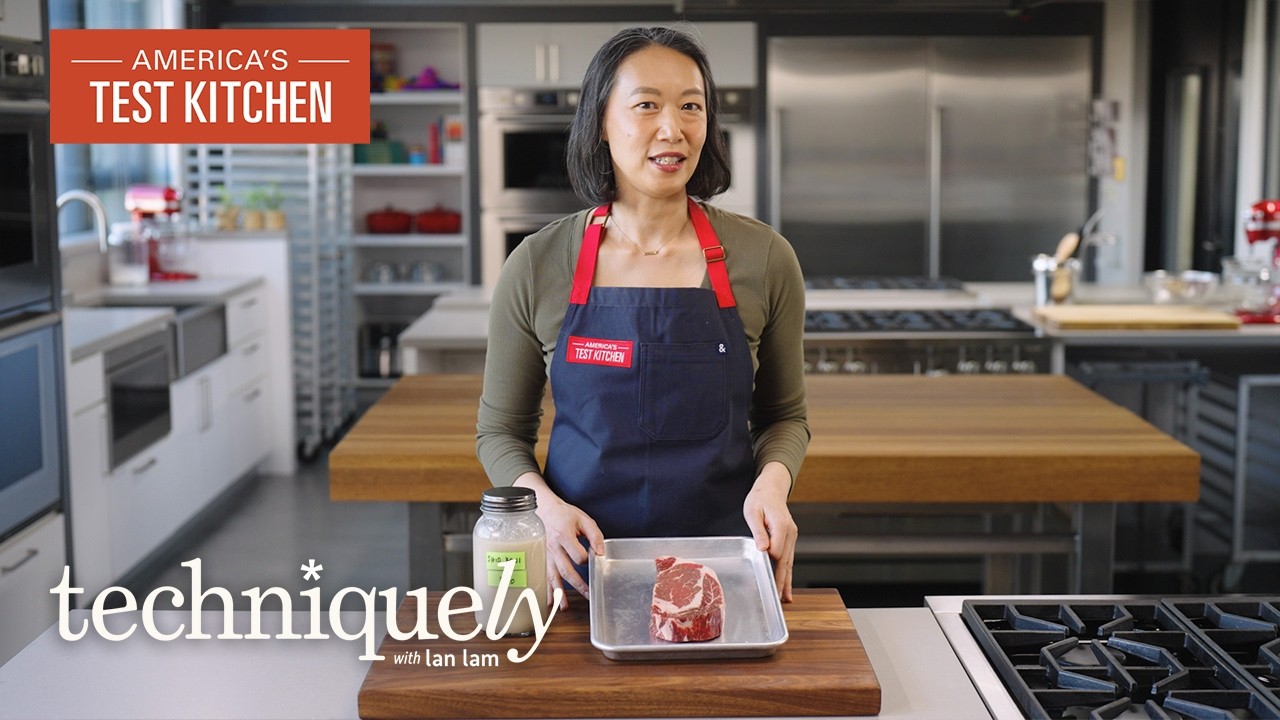
How to "Dry Age" a Steak in Two Hours | Techniquely with Lan Lam
America's Test Kitchen
Overview
This video explores the science and flavor profiles of dry-aged beef, explaining why it's expensive and how to replicate its desirable characteristics at home using a two-step process. It first details the enzymatic and microbial changes that occur during traditional dry-aging, leading to increased tenderness and complex flavors. Then, it introduces shio koji, a fermented rice product, as a rapid home alternative. The video guides viewers through preparing and using shio koji to marinate affordable steaks, followed by a reverse-searing technique to achieve a tender, flavorful result comparable to high-end dry-aged cuts.
How was this?
Save this permanently with flashcards, quizzes, and AI chat
Chapters
- Dry-aged steaks are prized for their enhanced tenderness and concentrated, complex flavors, often described as 'beef plus' with notes of mushroom, nuttiness, or even blue cheese.
- The dry-aging process involves storing beef in a controlled environment for weeks to months, allowing natural enzymes and surface drying to break down proteins and develop flavor.
- This extended aging process, coupled with significant weight loss due to trimming of the dried-out and moldy exterior, drives up the cost of dry-aged steaks considerably.
- Traditional dry-aging at home is impractical due to the specialized equipment, time commitment, and waste involved with individual cuts.
Understanding the reasons behind the high cost and unique flavor of dry-aged steak helps appreciate its value and motivates the search for more accessible alternatives.
The speaker describes the flavor as 'beef plus,' sometimes with minerality, faint liveriness, a blue cheesy vibe, nuttiness, mushroomy flavors, and lots of umami.
- Naturally occurring enzymes called proteases in beef act like molecular scissors, breaking down long protein chains into shorter peptides and amino acids.
- This enzymatic breakdown shortens muscle fibers, directly contributing to increased tenderness in the meat over time.
- Some resulting amino acids, like glutamic acid, enhance umami flavor, while others are utilized in the Maillard reaction during cooking, contributing to rich colors and roasted notes.
- The longer the aging period, the more time enzymes have to tenderize the meat and develop these complex flavors.
Knowing the scientific mechanisms behind dry-aging allows for a deeper understanding of how flavor and texture are transformed, paving the way for replicating these changes.
Protease enzymes are compared to scissors snipping protein chains (like a garland) into smaller pieces, which tenderizes the meat.
- Shio koji is a Japanese fermented rice product made from koji (mold-inoculated rice), water, and salt, used to rapidly impart dry-aged characteristics.
- Koji contains three key enzyme classes: proteases (break down proteins), amylases (break down carbohydrates), and lipases (break down fats), mimicking the effects of dry-aging.
- Shio koji is prepared by mixing ingredients and allowing fermentation at room temperature for about a week, then stored in the refrigerator.
- When selecting store-bought shio koji, opt for unsweetened versions and prefer the thicker paste over liquid forms for better adhesion to the meat.
Shio koji provides a practical and accessible method for home cooks to achieve complex, savory flavors and tender textures similar to expensive dry-aged steaks in a short timeframe.
Shio koji is made by combining koji, water, and salt, then letting it ferment at room temperature for about a week until it smells right.
- Choose steaks with ample surface area and good marbling, like flank, ribeye, or New York strip, for optimal shio koji penetration.
- Crucially, remove the silver skin from the steak using a sharp knife, as it prevents the enzymes from reaching the meat and can cause toughness.
- Marinate the steak by coating it evenly with shio koji (approximately 1 tbsp per 8 oz of meat), optionally adding other flavorings like Worcestershire sauce, garlic, or soy sauce.
- The marinade should be refrigerated for 2 to 24 hours, allowing the enzymes to tenderize and flavor the meat, while the salt seasons and helps retain moisture.
Proper preparation and marination are essential for maximizing the effectiveness of shio koji, ensuring the enzymes can work their magic and the steak is tender and flavorful.
When removing silver skin, slip a sharp knife between the skin and meat, taking off small pieces at a time to create a tab for easier peeling.
- Shio koji pre-treatments create compounds that promote rapid browning, increasing the risk of burning the exterior before the interior is cooked.
- The reverse sear method is ideal: gently cook the steak in a low oven (around 300°F) until it reaches the desired internal temperature.
- Wipe off excess marinade before searing to prevent burning, then season with pepper (salt is already present from the shio koji).
- Finish by searing the steak quickly in a hot skillet for about a minute per side to develop a crust, achieving a tender interior and flavorful exterior.
Using the correct cooking technique, like the reverse sear, is vital to harness the benefits of shio koji without overcooking or burning the steak, resulting in a perfectly prepared dish.
The steak is cooked in a 300°F oven until it reaches an internal temperature of 130-135°F, then quickly seared in a skillet.
Key takeaways
- Dry-aging enhances steak tenderness and flavor through enzymatic breakdown of proteins and moisture evaporation, but is costly and time-consuming.
- Protease enzymes are key to tenderizing meat by breaking down proteins into smaller components.
- Shio koji, a fermented rice product, contains enzymes that can mimic the tenderizing and flavor-developing effects of dry-aging.
- Properly preparing steak for shio koji marination, especially removing silver skin, is crucial for enzyme action.
- The salt in shio koji seasons the meat and alters proteins to improve moisture retention during cooking.
- A reverse sear method (oven then skillet) is the best way to cook shio koji-marinated steaks to avoid burning and ensure even cooking.
- Home cooks can achieve a flavor profile similar to expensive dry-aged steaks using affordable cuts and shio koji in a matter of hours.
Key terms
Dry-agingProteasesPeptidesUmamiMaillard reactionKojiShio kojiEnzymesAmylasesLipasesSilver skinReverse sear
Test your understanding
- What are the primary ways dry-aging transforms a steak's texture and flavor?
- How do protease enzymes contribute to the tenderness of meat during aging?
- What is shio koji, and why is it considered a viable alternative to traditional dry-aging?
- What is the critical step in preparing a steak for shio koji marination, and why is it important?
- Why is the reverse sear method recommended for cooking steaks marinated in shio koji?