24:20
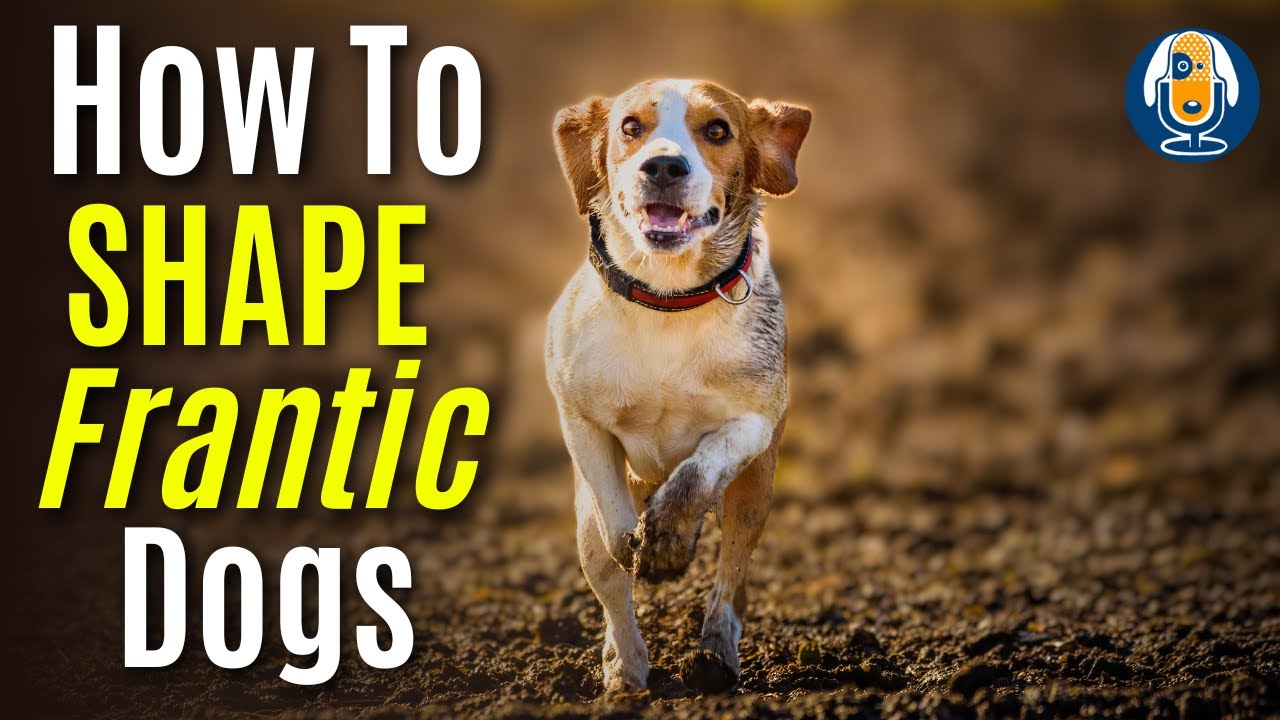
Shaping Tips For High Drive, Frantic, Hyper Dogs To Stop Dog Training Frustration #262 #podcast
Dogs That
Overview
This video addresses the challenges of training high-drive, frantic dogs, reframing their behavior not as stubbornness but as a response to frustration. It debunks common myths like needing more exercise or a firmer hand, and instead advocates for understanding the dog's emotional state. The core message is to manage frustration through clear communication, short training sessions, high rates of reinforcement, and teaching relaxation, ultimately leading to a more enjoyable training experience for both dog and owner.
How was this?
Save this permanently with flashcards, quizzes, and AI chat
Chapters
- High-drive dogs can be beautiful to watch when trained, but frustrating for owners in daily life.
- Many 'high-drive' behaviors are actually expressions of frustration, not inherent determination.
- Frustration can lead to four responses: suppression (giving up), regression (reverting to old behaviors), persistence (repeating what worked), or invigoration (becoming more intense).
- High-drive, frantic dogs often exhibit the 'invigoration' response to frustration.
Understanding that a dog's frantic behavior stems from frustration, rather than malice or stubbornness, is crucial for choosing effective training methods and avoiding counterproductive approaches.
The speaker uses the example of her own agility handler error, where her frustration led to increased focus and persistence, illustrating how frustration can sometimes be productive.
- Myth 1: High-drive dogs need excessive exercise. Reality: They need daily exercise, but too much can lead to a fitter dog that still exhibits frustration responses.
- Myth 2: High-drive dogs need a firmer hand. Reality: This can increase frustration and invigoration; they respond better to clear, calm guidance.
- Myth 3: High-drive dogs can handle longer training sessions. Reality: This leads to sloppier work and trains the dog that mistakes are acceptable; shorter, focused sessions are better.
- Myth 4: High-drive dogs are stubborn or willful. Reality: They are usually doing the best they can with the education and environment provided.
Challenging these common misconceptions prevents owners from applying ineffective or harmful training techniques that can worsen a dog's frustration and hinder progress.
The speaker explains that giving a high-drive dog more exercise doesn't solve the underlying frustration; it just makes them more fit to continue being frustrated for longer.
- Avoid raising your voice or showing frustration, as this increases stress hormones (cortisol) and makes thoughtful work difficult.
- Do not try to overly control the dog; instead, provide autonomy and choices to reduce stress.
- Be cautious with clickers and remote feeders, as their sounds can overstimulate high-drive dogs, increasing franticness.
- Recognize that behaviors like running off, grabbing toys, or redirecting bites are often ways the dog is decompressing from frustration.
Knowing what *not* to do is as important as knowing what to do; these mistakes can escalate a dog's frustration and create a negative training cycle.
The speaker notes that a dog might redirect by biting a sleeve or thigh, not out of aggression, but as a way to release pent-up frustration during training.
- Implement a relaxation protocol to teach dogs to be calm and accept lying down, building a foundation for calm reinforcement.
- Keep training sessions ultra-short (e.g., 1-3 minutes) and end before the timer goes off to maintain focus and prevent overload.
- Provide clarity and precise cues; the handler should be calm and quiet, acting as the 'yin' to the dog's 'yang'.
- Use a high rate of reinforcement, especially during the learning phase, and ensure behaviors have value.
- Offer decompression tools like chew toys or shreddable items during breaks or after sessions.
These strategies directly address the root cause of frantic behavior—frustration—by promoting calm, clear communication and rewarding desired states, leading to better learning and a stronger bond.
The speaker suggests using ultra-short, one-minute training sessions, stopping before the timer ends, to keep the dog engaged and prevent them from becoming overwhelmed.
- Use location-specific reinforcement markers and large food pieces to avoid frantic grabbing during training.
- Employ a 'Chow' cue for food retrieval from a bowl and a 'Cook' cue for receiving a treat from hand, creating predictability.
- Practice relaxation protocols in various locations to generalize calm behavior.
- Shape specific behaviors like standing on a plank for duration, which helps dogs learn to hold their body position calmly and successfully.
By systematically shaping calm behaviors and using predictable cues, owners can help high-drive dogs learn to manage their energy and respond more thoughtfully to training.
The speaker describes using a blanket targeting exercise where the dog gets on a blanket, receives a 'Cook' cue, and then a 'Chow' cue to retrieve food from a bowl, making the process predictable and less frantic.
Key takeaways
- A dog's 'high drive' or frantic behavior is often a sign of frustration, not stubbornness or lack of training.
- Common training myths, such as needing more exercise or a firmer hand, are counterproductive for high-drive dogs.
- Raising your voice, showing frustration, or overly controlling a high-drive dog will increase their stress and hinder learning.
- Short, focused training sessions with a high rate of reinforcement are more effective than long, drawn-out ones.
- Teaching relaxation protocols and providing decompression opportunities are essential for managing a high-drive dog's emotional state.
- Clarity in cues and predictable training structures help reduce frustration and improve a dog's ability to learn calmly.
- Understanding and managing a dog's frustration response is key to a successful and enjoyable training partnership.
Key terms
High Drive DogFrustration TheorySuppressionRegressionPersistenceInvigorationCortisolDecompressionRelaxation ProtocolShaping
Test your understanding
- How does the 'invigoration' response to frustration differ from other responses, and why is it relevant to understanding high-drive dogs?
- What are the common myths about training high-drive dogs, and why are they incorrect?
- What specific training mistakes should owners avoid when working with a frantic, high-drive dog, and what are the consequences?
- How can implementing ultra-short training sessions and relaxation protocols help manage a high-drive dog's energy and frustration?
- Describe how predictable cues and structured exercises, like blanket targeting, can help a high-drive dog learn more calmly.