4:34
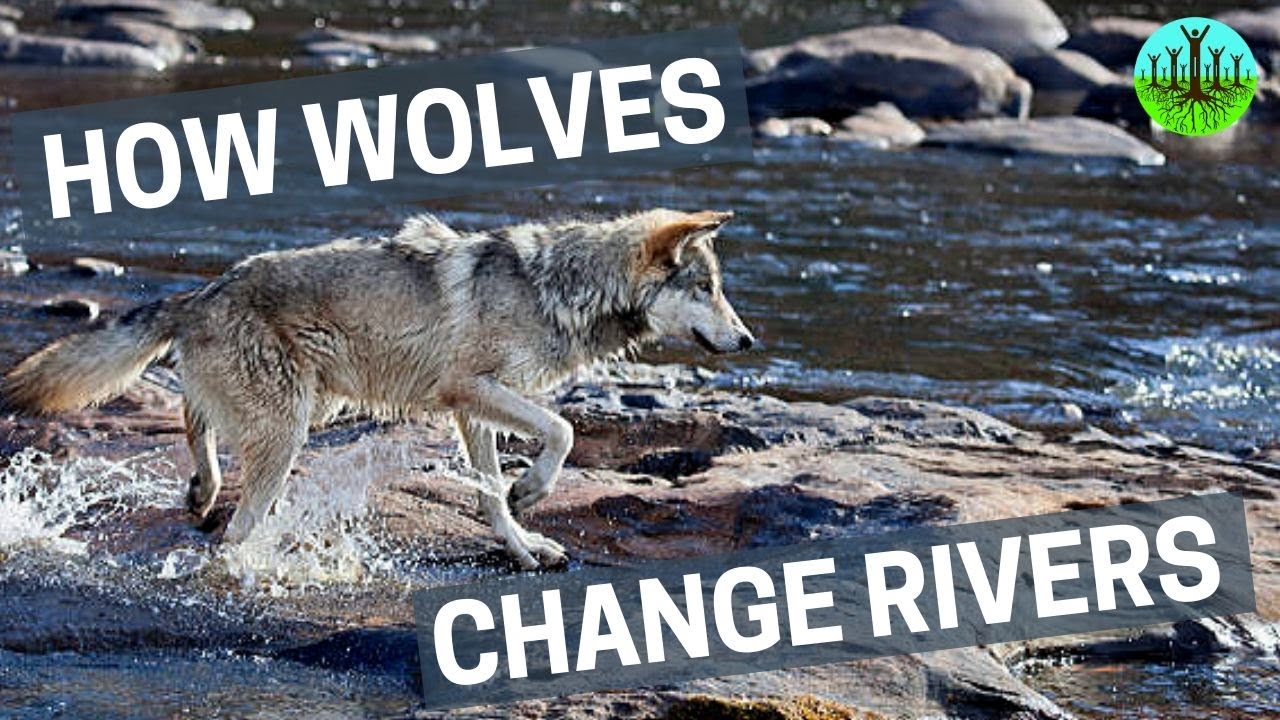
How Wolves Change Rivers
Sustainable Human
Overview
This video explains the concept of trophic cascades using the reintroduction of wolves in Yellowstone National Park as a prime example. It details how the presence of wolves, even in small numbers, dramatically altered the behavior and population of deer, leading to the regeneration of vegetation. This ecological shift then rippled through the ecosystem, benefiting numerous other species, including birds, beavers, and even influencing the physical geography of the rivers by stabilizing their banks and reducing erosion. The video highlights the interconnectedness of ecosystems and the profound impact apex predators can have.
How was this?
Save this permanently with flashcards, quizzes, and AI chat
Chapters
- A trophic cascade is an ecological process where the effects of a top predator ripple down through the food chain.
- The reintroduction of wolves to Yellowstone National Park in 1995 is a classic example of a trophic cascade.
- Before wolves returned, deer populations were high due to a lack of predators, leading to severe overgrazing of vegetation.
Understanding trophic cascades helps us grasp how the removal or reintroduction of a single species can have far-reaching and complex effects on an entire ecosystem.
Wolves were absent from Yellowstone for 70 years, allowing deer populations to explode and decimate plant life.
- The presence of wolves significantly altered deer behavior, causing them to avoid risky areas like valleys and gorges.
- This behavioral shift allowed vegetation, such as aspen, willow, and cottonwood, to regrow and flourish.
- In some areas, tree height increased fivefold within six years due to the reduced grazing pressure.
This demonstrates that a predator's impact isn't solely through direct killing, but also by influencing prey behavior, which can lead to significant environmental recovery.
Deer began avoiding valleys and gorges where they were vulnerable to wolf predation, allowing plants in these areas to grow taller.
- The regrowth of vegetation provided food and habitat for numerous other species.
- Beaver populations increased, and their dams created new habitats for fish, otters, and amphibians.
- Wolves also reduced coyote populations, leading to an increase in rabbits and mice, which in turn supported predators like hawks and foxes.
- Bears benefited from increased berry production on regenerating shrubs and from wolf-killed carrion.
This illustrates the interconnectedness of an ecosystem, showing how changes at one level (predator-prey) cascade to support a wider diversity of life.
The increase in beavers, driven by more available trees, led to the creation of new aquatic habitats through their dams.
- The presence of wolves indirectly influenced the physical geography of rivers.
- Regenerating vegetation stabilized riverbanks, reducing erosion and causing rivers to meander less.
- The rivers became more defined, with increased pools and riffle sections, improving habitats for aquatic life.
This highlights that ecological restoration driven by apex predators can even reshape the physical landscape, demonstrating a profound level of ecosystem control.
Stabilized riverbanks, due to recovering vegetation, caused rivers to flow in more fixed channels with less erosion.
Key takeaways
- Trophic cascades demonstrate the powerful, cascading effects that top predators have throughout an ecosystem.
- Predator reintroduction can lead to significant ecological recovery, not just by controlling prey numbers but by altering prey behavior.
- Ecosystems are highly interconnected; changes in one population can have widespread impacts on many other species.
- Apex predators like wolves play a crucial role in maintaining biodiversity and ecosystem health.
- The impact of predators can extend beyond biological effects to influence the physical landscape, such as river structures.
- Restoring natural predator populations can be a key strategy for ecological restoration.
Key terms
Trophic cascadeApex predatorEcosystem engineersEcological processBiodiversityOvergrazingGeomorphologyCarrion
Test your understanding
- What is a trophic cascade and how does it begin?
- How did the reintroduction of wolves change the behavior of deer in Yellowstone?
- What were the effects of vegetation regeneration on other animal populations in the park?
- In what ways did the wolves' presence influence the physical structure of the rivers?
- Why are apex predators considered important for maintaining ecosystem health?