1:33:23
Classroom Management | Week 1, Day 3
Agape Management
Overview
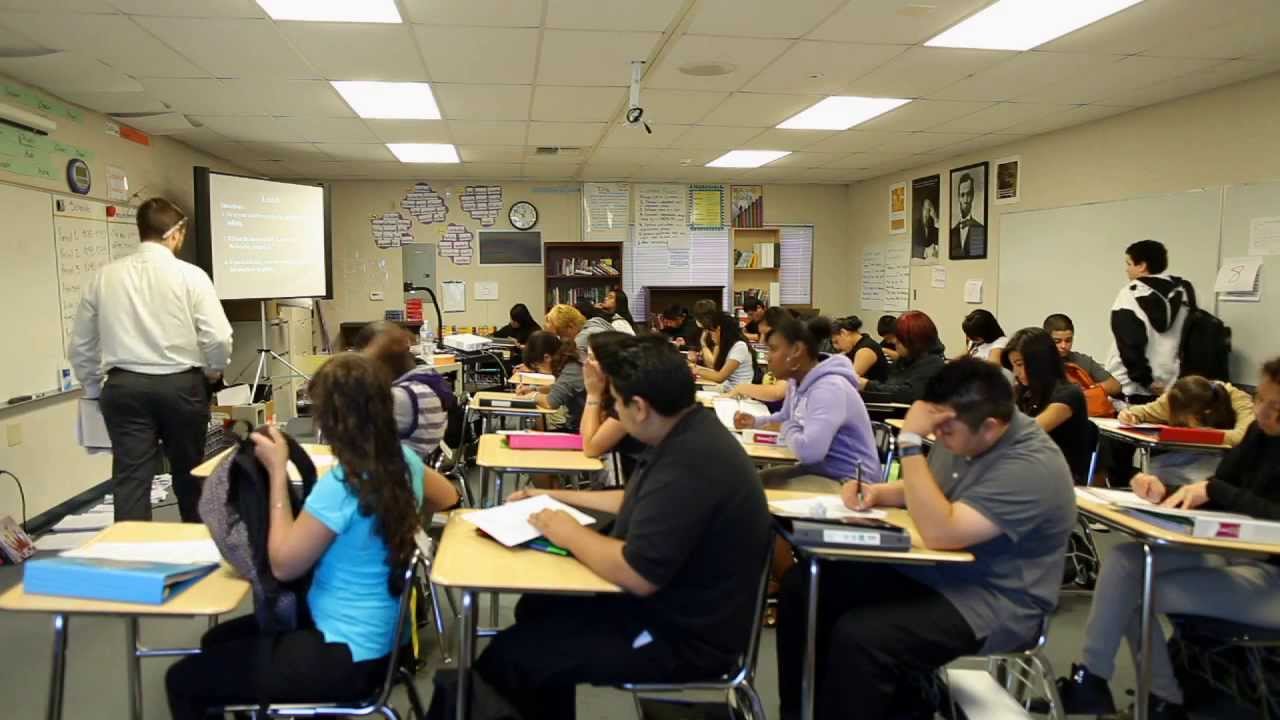
This video outlines classroom management strategies and expectations for a Period 4 class. It begins with establishing routines like the 'launch' activity and silent work. The teacher emphasizes the importance of reading by connecting it to future success, including avoiding prison and securing better jobs. The class then engages in a Sustained Silent Reading (SSR) introduction, followed by a review of classroom rules and expectations through a scavenger hunt activity. Finally, students begin the process of applying for classroom jobs, demonstrating their understanding of the roles and responsibilities within the classroom.
How was this?
Save this permanently with flashcards, quizzes, and AI chat
Chapters
- Begin each class with a 'launch' activity where students silently work on a task upon entering.
- Reinforce expectations through consistent verbal cues and positive reinforcement.
- Students are expected to follow directions the first time they are given.
- Classroom expectations are posted and reviewed through interactive activities.
Establishing clear routines and expectations from the outset creates a structured and predictable learning environment, minimizing disruptions and maximizing instructional time.
Students silently start their 'launch' activity, which involves answering questions about past and future jobs, immediately upon entering the classroom.
- Reading proficiency is directly linked to future opportunities, including career choices and earning potential.
- Low reading levels correlate with higher rates of incarceration, highlighting the societal impact of literacy.
- Developing strong reading skills prepares students for the academic demands of college and beyond.
- Finding the 'right book' can change a student's attitude towards reading.
Understanding the profound impact of reading on life outcomes, from avoiding negative consequences like prison to achieving career and financial success, motivates students to engage with literacy.
The teacher presents statistics showing that a significant percentage of inmates in American prisons cannot read above a fourth-grade level, and that higher education levels lead to substantially higher incomes.
- SSR is a dedicated time for students to read independently.
- The purpose of SSR is to improve reading skills and foster a love for reading.
- Students discuss the importance of reading and how it influences their future.
- College students read a substantial amount of material each semester, emphasizing the need for strong reading habits.
SSR provides a structured opportunity for students to practice and improve their reading skills, which is crucial for academic success and personal growth.
Two recent high school graduates share their college experiences, detailing the significant volume of reading required in their first semester and the complexity of the texts they encountered.
- Students are assigned or apply for classroom jobs to contribute to the classroom community.
- Each job has specific responsibilities, such as 'Decoration Manager' or 'Spot Checker'.
- Students complete an application to indicate their job preferences.
- The process emphasizes active participation and responsibility within the classroom.
Assigning classroom jobs fosters a sense of ownership, responsibility, and teamwork among students, contributing to a more functional and positive learning environment.
Students move silently through stations to learn about different classroom jobs, then rank their top five choices on an application form.
- A quiz is administered to assess student understanding of the syllabus and classroom rules.
- The quiz requires students to locate information within the syllabus.
- Completing the quiz accurately demonstrates preparedness and attention to classroom expectations.
- Positive consequences are outlined for meeting or exceeding expectations.
Assessing student understanding of classroom policies and expectations through a quiz reinforces the importance of these guidelines and ensures students are aware of how to succeed in the class.
Students work with partners to find answers to questions within the syllabus to decipher a secret message, which is then used to prepare for a quiz.
Key takeaways
- Consistent routines and clear expectations are foundational for effective classroom management.
- Reading proficiency is a critical skill that significantly impacts future academic, professional, and personal opportunities.
- Sustained Silent Reading (SSR) is a valuable practice for developing reading fluency and comprehension.
- Active participation in classroom jobs fosters responsibility and a sense of community.
- Understanding and adhering to classroom expectations is essential for academic success.
- The transition to higher education requires strong reading and study habits.
- A positive classroom environment is built on mutual respect and shared responsibility.
Key terms
Launch ActivitySustained Silent Reading (SSR)Classroom JobsSyllabusClassroom ExpectationsFunctionally IlliterateBHAG TicketsGallery Walk
Test your understanding
- What is the purpose of the 'launch' activity at the beginning of class?
- How does the video illustrate the connection between reading ability and future life outcomes?
- What are the key components of the Sustained Silent Reading (SSR) program introduced in the video?
- Describe the process students follow to apply for classroom jobs.
- Why is it important for students to understand the classroom syllabus and expectations?