46:04
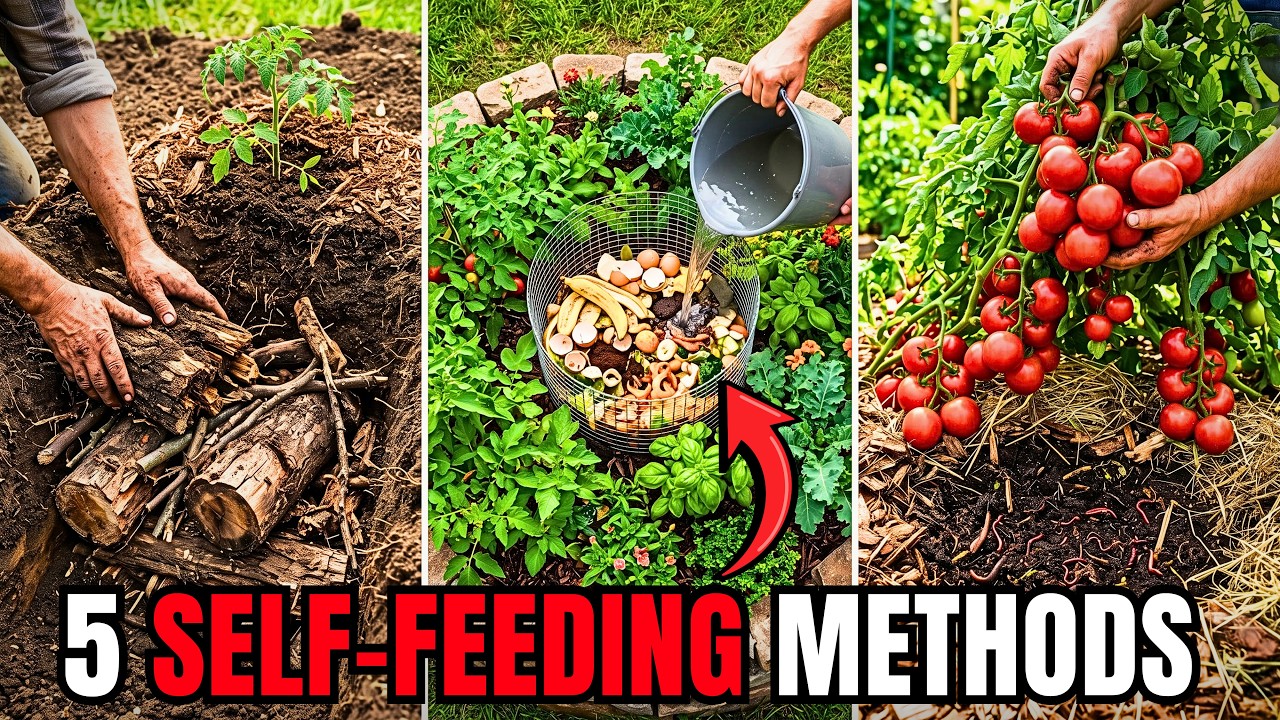
5 SELF-FEEDING PLANTING METHODS THAT MAKE PLANTS EXPLODE WITH FRUITS!
Hope Garden
Overview
This video introduces five self-sustaining gardening methods designed to dramatically increase fruit yields by harnessing natural biological processes. Instead of relying on external fertilizers and constant watering, these techniques empower the soil itself to nourish plants. The methods discussed include Hugelkultur, sub-irrigated wicking beds, keyhole gardens, the Ruth Stout deep mulch system, and the Back to Eden wood chip method. Each system leverages principles like moisture retention, nutrient cycling, and beneficial microbial activity to create fertile, low-maintenance garden beds that produce abundant harvests.
How was this?
Save this permanently with flashcards, quizzes, and AI chat
Chapters
- Soil, when managed correctly, is a living biological engine capable of self-fertilization and water retention.
- Conventional gardening often overlooks or actively hides the soil's natural fertility capabilities.
- The five methods presented are time-tested techniques that create self-feeding garden systems.
- These systems lead to explosive fruit yields by eliminating plant stress and optimizing nutrient availability.
Understanding that your soil can naturally feed your plants challenges conventional gardening wisdom and opens the door to more efficient, productive, and cost-effective gardening practices.
The speaker contrasts the idea of a self-feeding garden with buying bags of fertilizer from a garden center, suggesting the latter is an unnecessary expense if soil is managed properly.
- Hugelkultur involves burying logs and woody debris in a mound or trench, topped with soil and compost.
- The decaying wood acts as a porous sponge, absorbing and slowly releasing water, preventing moisture stress.
- Fungal networks colonize the wood, breaking it down and creating a mycorrhizal network that extends plant roots.
- This extended root system mines nutrients like phosphorus and trace minerals from deeper soil layers.
- Best suited for heavy-feeding fruiting vegetables like tomatoes, squash, and peppers, and can provide warmth in cold climates.
Hugelkultur transforms garden waste into a long-term fertility and irrigation system, significantly reducing the need for watering and fertilizing while boosting yields.
Burying hardwood logs (oak, maple, fruitwood) 12-18 inches deep, capped with 10 inches of compost and soil, creates a bed that self-waters and feeds for 10-20 years.
- Wicking beds use a waterproof reservoir at the bottom to store water, which is drawn up into the soil via capillary action.
- This system maintains soil at 'field capacity' – the ideal moisture level for root respiration and nutrient uptake.
- Eliminates the wet-dry cycles that cause plant stress and reduce fruit production.
- The dry soil surface suppresses weeds and dramatically reduces foliar fungal diseases.
- Ideal for fruiting crops like tomatoes, peppers, and eggplants, especially in hot climates.
Wicking beds provide consistent, optimal moisture levels, leading to significantly higher yields and healthier plants by preventing stress and disease.
A wicking bed with a 12-inch deep reservoir filled with gravel and topped with a geotextile fabric and compost-rich soil can keep plants consistently watered for 7-14 days in peak summer heat.
- Keyhole gardens are circular beds with a central, vertical wire basket for composting kitchen scraps.
- Water poured into the basket dissolves nutrients from decomposing waste, creating a liquid fertilizer that radiates outward.
- The stone or brick walls provide thermal mass, retaining heat overnight to keep soil microbes active.
- Designed for easy access without compacting the growing surface, beneficial for those with limited mobility.
- Excellent for high-production vegetables and herbs, doubling yield per square foot compared to conventional beds.
This method efficiently converts kitchen waste into plant nutrients while the thermal mass extends the growing season, making it highly productive in challenging environments.
A 6-foot diameter keyhole bed with a central basket filled with vegetable peels and coffee grounds, watered with gray water, continuously feeds plants like tomatoes and zucchini cascading over the sides.
- This method involves layering 8-10 inches of hay or straw mulch directly onto the garden soil without tilling.
- Decomposition at the bottom of the mulch layer fuels a massive increase in earthworm populations.
- Earthworms dramatically increase the availability of nitrogen, phosphorus, and potassium in the soil.
- The thick mulch insulates the soil, protecting roots from extreme heat and preventing moisture loss.
- Requires minimal initial setup and ongoing maintenance, primarily adding more mulch as it decomposes.
By fostering a thriving earthworm population and insulating the soil, this system naturally generates superior fertility and resilience, leading to robust plant growth and fruit production.
Laying down 8-10 inches of spoiled hay over cardboard, planting transplants into pockets of compost within the mulch, and simply adding more hay as needed.
- This system uses a base of cardboard, a layer of compost, and a thick cap of coarse wood chips (preferably ramial chips).
- Fungal mycelium colonizes the wood chips, breaking them down into humic substances that improve soil structure and water retention.
- This fungal activity produces biogenic plant growth regulators (cytokinins and auxins) that stimulate cell division, branching, and flower retention.
- Results in significantly higher yields and larger fruit sizes, even surpassing conventionally fertilized beds.
- Requires no watering or fertilizing once established, mimicking a natural forest floor.
This method leverages fungal biology to create a self-regulating ecosystem that enhances plant growth hormones, leading to exceptional fruit yields with virtually no active management.
A second or third-year Back to Eden bed with established fungal networks can produce 80-100 lbs of tomatoes per plant, dwarfing yields from conventionally fertilized plants.
Key takeaways
- Healthy soil is a living system that can naturally provide water, nutrients, and support for heavy-producing crops.
- Eliminating the wet-dry cycle in soil is crucial for preventing plant stress and maximizing fruit development.
- Fungal networks and earthworm activity are powerful biological engines that can dramatically enhance soil fertility and nutrient availability.
- Many low-maintenance, self-feeding gardening systems rely on natural decomposition and microbial processes rather than purchased inputs.
- These methods can significantly reduce gardening costs by eliminating the need for fertilizers, excessive watering, and frequent soil amendments.
- By understanding and working with natural biological processes, gardeners can achieve yields previously thought impossible without intensive conventional methods.
- The choice of method can be tailored to specific climate conditions, with some systems offering benefits like frost protection or enhanced water retention.
Key terms
HugelkulturMycorrhizal networkField capacityWicking bedCapillary actionKeyhole gardenThermal massRuth Stout methodNitrogen drawdownRamial wood chipsBiogenic plant growth regulatorsCytokininsAuxinsHumic substances
Test your understanding
- How does Hugelkultur's buried wood core contribute to both water management and nutrient availability for plants?
- What is the primary mechanism by which a wicking bed maintains optimal soil moisture, and why is this beneficial for fruiting crops?
- Explain the dual role of the central composting basket and the stone walls in a keyhole garden system.
- What biological process is central to the Ruth Stout method, and how does it lead to increased nutrient availability in the soil?
- How do biogenic plant growth regulators like cytokinins and auxins, produced in Back to Eden beds, directly influence fruit yield?