6:00
Queen – Bohemian Rhapsody (Official Video Remastered)
Queen Official
Overview
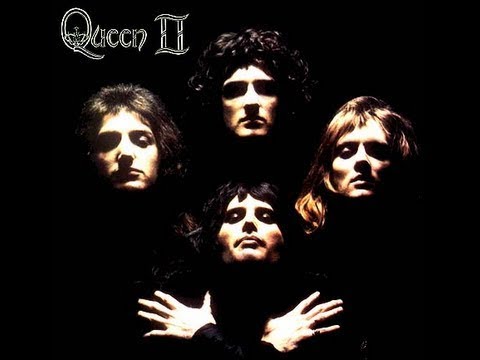
This video presents the official remastered music video for Queen's "Bohemian Rhapsody." It visually accompanies the song's complex narrative, which shifts from a personal confession of murder and regret to a dramatic trial and ultimate acceptance of fate. The video's iconic imagery, including the band's striking poses and the surreal, operatic sequences, enhances the song's emotional and thematic depth, exploring themes of reality versus fantasy, judgment, and the search for freedom.
How was this?
Save this permanently with flashcards, quizzes, and AI chat
Chapters
- The song opens with existential questions about reality and fantasy.
- The narrator confesses to his mother that he has killed a man.
- He expresses deep regret, feeling he has thrown his life away.
- He anticipates his impending doom and bids farewell.
This section establishes the song's central conflict and emotional core: a profound act of violence leading to a crisis of conscience and a confrontation with mortality.
The lyrics 'Mama, just killed a man, put a gun against his head, pulled my trigger, now he's dead' directly convey the confession and its gravity.
- The mood shifts dramatically with operatic vocals and imagery.
- Characters like Scaramouche and Galileo are invoked, suggesting a surreal trial.
- The narrator pleads for his life, feeling unloved and facing condemnation.
- A chorus of voices debates whether to let him go, with a strong 'No' prevailing.
This segment transforms the personal confession into a grand, theatrical struggle between the narrator's desire for freedom and forces of judgment, highlighting themes of fate and external control.
The call-and-response between the narrator ('let me go') and the chorus ('we will not let you go') vividly illustrates the intense struggle during the trial.
- The narrator expresses defiance against those who judge and abandon him.
- He asserts his need to escape his dire circumstances.
- The song returns to a slower, more reflective tone.
- The narrator concludes that ultimately, nothing truly matters.
This final section brings the song's emotional arc to a close, moving from defiance to a state of acceptance and existential resignation, offering a final perspective on the narrator's journey.
The repeated lyric 'Nothing really matters to me' signifies the narrator's ultimate acceptance of his fate and the perceived insignificance of worldly concerns.
Key takeaways
- "Bohemian Rhapsody" uses a multi-part structure to explore complex themes of guilt, judgment, and fate.
- The song blends personal confession with operatic drama to heighten emotional impact.
- The narrative progresses from a specific act of violence to universal existential questions.
- Visuals in the music video play a crucial role in interpreting the song's surreal and dramatic elements.
- The song's conclusion suggests a form of liberation through the acceptance of meaninglessness.
- The contrast between different musical styles mirrors the shifts in the song's narrative and emotional tone.
Key terms
Fantasy vs. RealityConfessionRegretMortalityOperatic SectionTrialJudgmentDefianceResignationExistentialism
Test your understanding
- What is the central conflict introduced in the first part of the song?
- How does the song transition from a personal confession to a dramatic trial?
- What is the significance of the operatic section in "Bohemian Rhapsody"?
- Explain the narrator's emotional journey from the beginning of the song to the end.
- What does the final repetition of 'Nothing really matters' suggest about the narrator's state of mind?