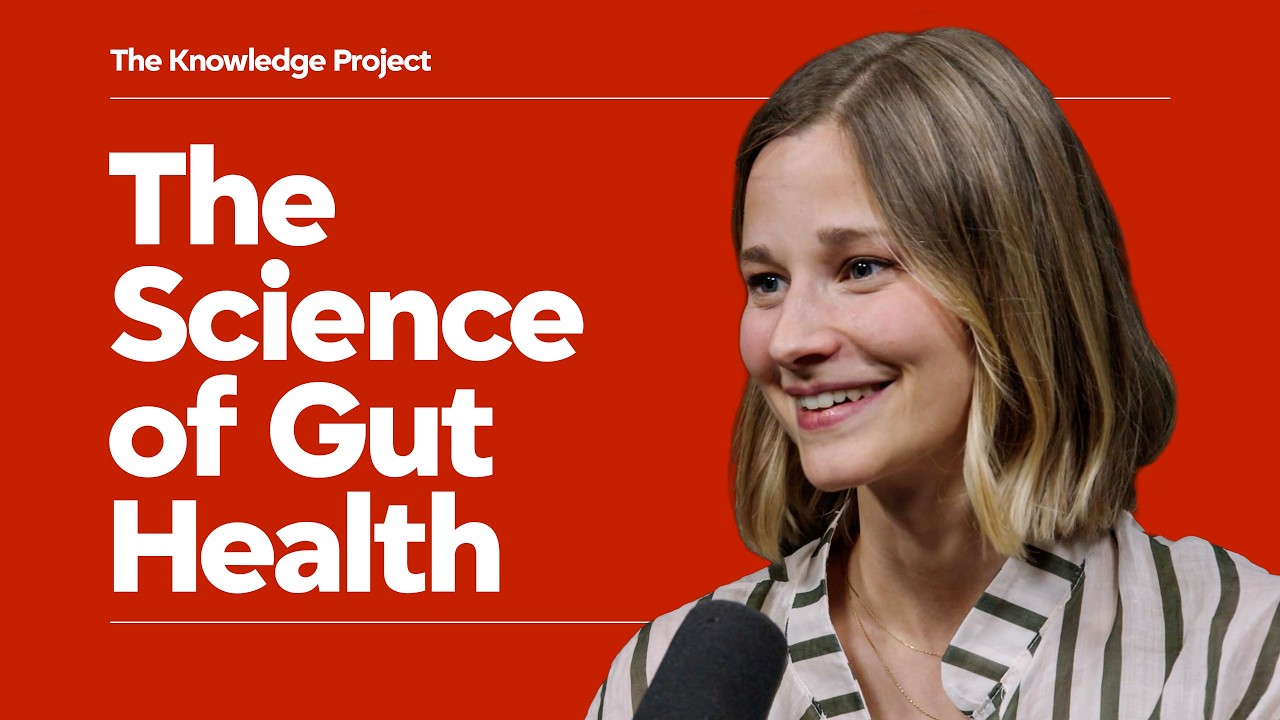
54:43
How to Repair and Nourish Your Gut | Dr. Giulia Enders
The Knowledge Project Podcast
Overview
This video explores the crucial role of gut health in overall well-being, impacting everything from mental health and sleep to metabolism and emotional state. Dr. Giulia Enders debunks the myth of a fragile gut, emphasizing its robustness when properly cared for. The discussion covers identifying signs of an unhealthy gut, dietary recommendations focusing on fiber-rich foods and prebiotics, and the gut's connection to the immune system. It also delves into the impact of lifestyle factors like stress, sleep, and processed foods on the microbiome, offering practical advice for improving gut health through diet, mindful eating, and stress management.
How was this?
Save this permanently with flashcards, quizzes, and AI chat
Chapters
- The gut is a central organ influencing mental health, sleep quality, metabolism, weight, and emotional well-being.
- Gut health can be easily influenced and changed, leading to significant positive impacts on overall health.
- Contrary to popular belief, the gut is a robust organ capable of handling challenges when treated correctly.
Understanding the gut's broad influence highlights why prioritizing its health is essential for a holistic approach to well-being.
The speaker mentions that gut health can have 'second and third hand effects' on mental health and sleep quality.
- Common signs of an unhealthy gut include belly aches, digestive issues, and subtle symptoms like anxiety and depression.
- Focus on incorporating foods you genuinely enjoy that are also healthy, rather than forcing yourself to eat disliked 'superfoods'.
- Gradually increase fiber intake to avoid bloating and gas, allowing your gut microbes to adapt.
Recognizing gut health indicators and adopting a sustainable, enjoyable dietary approach is key to long-term improvement.
Instead of forcing kale, find vegetables you like, such as asparagus or onions, and incorporate them more frequently.
- Fiber is crucial for gut health, with two types: water-insoluble (adds bulk for regularity) and water-soluble (acts as prebiotics).
- Prebiotics, found in foods like beans, onions, and leafy greens, nourish beneficial gut bacteria.
- Cooking and cooling starchy foods like rice, potatoes, and noodles increases their resistant starch and prebiotic content.
Understanding different types of fiber and how to prepare foods can significantly enhance gut function and microbial diversity.
Cooling down cooked rice before eating it makes its starches more resistant, acting as a prebiotic and leading to slower blood sugar release.
- The gut is a central hub for the immune system, where immune cells learn tolerance to substances entering the body.
- An unhealthy or stressed gut lining can lead immune cells to mistakenly identify harmless substances as threats, potentially causing sensitivities or allergies.
- A diverse microbiome, supported by consuming around 30 different fruits and vegetables weekly, is vital for immune tolerance and overall gut health.
This connection explains how gut health directly impacts immune responses and the development of sensitivities.
When the gut lining is compromised, immune cells might react negatively to a previously tolerated substance like peanuts.
- Excess sugar intake can trigger inflammation by providing immune cells with too much energy, leading them to become overly aggressive.
- Chronic stress negatively impacts the gut by reducing blood flow and energy to the gut lining, potentially leading to increased sensitivity and altered microbiome composition.
- While coffee's polyphenols are beneficial, excessive caffeine can disrupt sleep quality, creating a cycle that negatively affects the gut.
Managing lifestyle factors like sugar consumption, stress, and sleep is as critical as diet for maintaining a healthy gut.
Prolonged stress can cause gut walls to pale due to reduced blood flow, hindering proper digestion and immune function.
- Stool appearance, consistency, and behavior (e.g., floating or sinking) provide valuable insights into digestive health.
- Warning signs like black or bloody stools, persistent diarrhea, or sudden, severe constipation warrant medical attention.
- Proper toilet posture, such as squatting or using a stool to elevate feet, can facilitate more complete bowel movements.
Paying attention to bodily signals, particularly stool characteristics, allows for early detection of potential gut issues.
Floating stool without air bubbles can indicate that bacteria haven't fully broken down fats, suggesting potential digestive issues.
- Antibiotics can significantly disrupt the microbiome, making it harder for children and the elderly to recover.
- Post-antibiotic recovery can be supported by probiotics (especially for diarrhea) and prebiotics (to feed remaining beneficial bacteria).
- Prioritizing foundational health habits—sleep, nutrition, stress management, and movement—is more impactful than relying solely on supplements.
Proactive strategies for gut repair and maintenance, alongside fundamental healthy habits, are essential for long-term resilience.
Consuming foods rich in fiber and potentially taking probiotics after a course of antibiotics can help restore the gut microbiome.
Key takeaways
- Your gut health is intrinsically linked to your mental, emotional, and physical well-being.
- The gut is resilient; focus on nourishing it with enjoyable, healthy foods rather than fearing it.
- Fiber is a cornerstone of gut health, aiding digestion and feeding beneficial microbes.
- A diverse diet, rich in various fruits and vegetables, supports a diverse and healthy gut microbiome.
- Chronic stress and poor sleep can significantly impair gut function and alter its microbial balance.
- Paying attention to your body's signals, especially through stool observation, can provide early warnings of gut issues.
- Foundational health habits like balanced nutrition, adequate sleep, and stress management are paramount for gut health, often more so than supplements.
Key terms
MicrobiomePrebioticsProbioticsFiber (soluble and insoluble)Resistant StarchImmune ToleranceInflammationGut-Brain AxisAntibiotic-Induced DiarrheaStress Hygiene
Test your understanding
- How does the gut's influence extend beyond digestion to affect overall health?
- What are the key signs that indicate an unhealthy gut, and how can dietary choices support improvement?
- Explain the difference between soluble and insoluble fiber and their respective roles in gut health.
- How does the gut-immune system connection contribute to food sensitivities or allergies?
- What are the primary lifestyle factors, beyond diet, that significantly impact gut health, and why?
- How can observing changes in stool characteristics serve as a diagnostic tool for gut health?