46:46
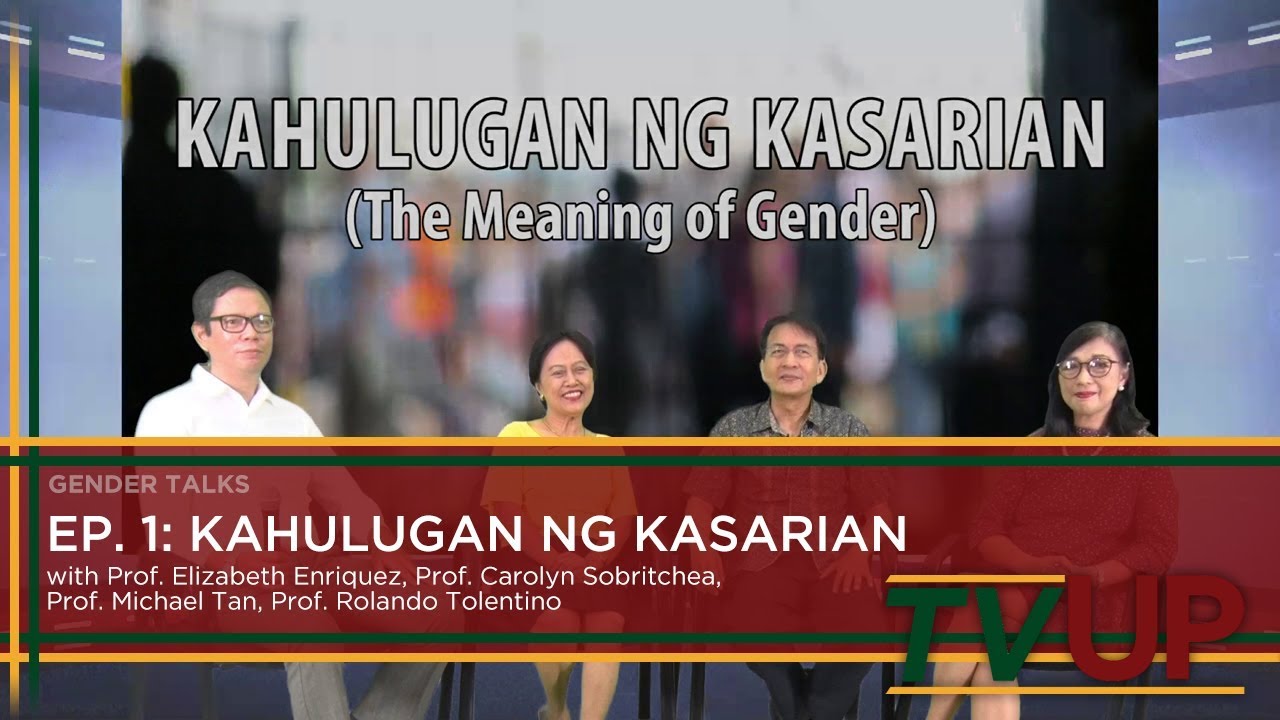
GENDER TALKS | Episode 01: Kahulugan ng Kasarian
TVUP
Overview
This video explores the multifaceted concepts of sex and gender, moving beyond simplistic binary definitions. It delves into biological variations like intersex conditions, highlighting how societal and cultural norms construct our understanding of masculinity and femininity. The discussion extends to the influence of institutions like family, education, religion, and media in perpetuating or challenging gender stereotypes. Finally, it examines the pervasive issue of gender-based discrimination and violence, including its impact on women, men, and the LGBTQ+ community, while also touching upon efforts towards gender sensitivity and equality in various sectors.
How was this?
Save this permanently with flashcards, quizzes, and AI chat
Chapters
- Sex is often oversimplified as binary (male/female), but biological variations like intersex conditions demonstrate a spectrum.
- Gender, unlike sex, is a social and cultural construct, defining roles, behaviors, and identities associated with masculinity and femininity.
- Even the assignment of sex at birth can be influenced by societal norms and legal frameworks, suggesting it's not purely biological.
- Understanding sex and gender requires acknowledging both biological realities and the powerful influence of social construction.
Distinguishing between sex and gender is crucial for understanding how societal expectations shape individual experiences and opportunities, moving beyond biological determinism.
The example of an intersex individual whose assigned sex at birth was female but developed male characteristics at puberty illustrates the complexity beyond a simple binary.
- Family is the primary socializing agent, passing down traditional notions of gender roles and expectations.
- Educational institutions often reinforce gender stereotypes through program choices (e.g., engineering for men, nursing for women) and socialization.
- The workplace reflects and perpetuates gender biases, influencing career progression and opportunities.
- Religious institutions, particularly the Catholic Church in the Philippines, can uphold conservative gender ideologies, limiting roles for women and influencing societal views on marriage and family.
Recognizing how institutions shape our understanding of gender helps us identify areas where biases are perpetuated and where interventions can be made to promote equality.
Catholic schools expelling pregnant students while allowing male students who impregnate them to continue their education exemplifies institutional bias.
- Media often reinforces traditional gender roles, such as the passive female and active male during Valentine's Day rituals.
- Media can set benchmarks for male and female identities and behaviors, influencing societal perceptions.
- While often perpetuating stereotypes, media also presents opportunities for change, as seen in shows that portray LGBTQ+ characters sympathetically.
- The commercial nature of media means that content reflecting dominant ideologies or profitable narratives is often prioritized, though audience interest can drive change.
Media is a powerful force in shaping cultural norms; understanding its influence on gender representation is key to critically engaging with its messages and advocating for more inclusive portrayals.
The television series 'My Husband's Lover' is cited as an example of media challenging norms by portraying a same-sex relationship sympathetically, which, despite initial advertiser concerns, gained high ratings.
- Violence against women remains a significant issue, though systems for monitoring are improving.
- Violence against boys and men, including LGBTQ+ individuals, is often invisible but also occurs, sometimes stemming from societal rejection of their gender identity.
- Discrimination against LGBTQ+ individuals in the workplace can lead to hidden identities, double lives, and experiences of violence.
- Family rejection and psychological/emotional violence are significant consequences for individuals, particularly LGBTQ+ members, who do not conform to gender norms.
Addressing gender-based discrimination and violence is essential for creating a just and equitable society where all individuals can live without fear and with dignity.
The film 'Die Beautiful,' depicting a trans woman disowned by her father, illustrates the profound psychological and emotional violence that can result from family rejection.
- Efforts are being made to create gender-sensitive spaces in institutions like the military and police, including quotas for women and promoting peaceful conflict resolution.
- Progress in gender sensitivity can be slow, with challenges in implementation and ensuring equal opportunities even after entry into traditionally male-dominated fields.
- Economic and health impacts of gender inequality are significant, with companies losing billions due to lack of LGBTQ+ inclusion and potential health risks for shift workers.
- Sports can be a powerful arena for breaking down gender stereotypes, challenging traditional roles, and promoting inclusivity.
Promoting gender sensitivity and equality requires sustained effort across all sectors, recognizing that true progress benefits individuals, communities, and the economy as a whole.
The Philippine National Police implementing quotas for women and focusing on negotiation skills over force demonstrates a move towards gender sensitivity in law enforcement.
Key takeaways
- Sex is a biological reality with variations, while gender is a social construct that defines roles and identities.
- Institutions like family, education, religion, and media play a significant role in shaping and perpetuating gender norms and stereotypes.
- Media representation, though often reinforcing traditional roles, also offers avenues for challenging stereotypes and promoting inclusivity.
- Gender-based discrimination and violence affect individuals of all genders and sexual orientations, with significant physical, psychological, and economic consequences.
- Creating gender-sensitive environments requires systemic change, policy implementation, and challenging deeply ingrained societal biases.
- Economic well-being and individual health are directly impacted by the extent of gender equality and inclusivity in society.
- Sports can serve as a powerful platform for deconstructing gender stereotypes and promoting a more equitable understanding of capabilities.
Key terms
SexGenderIntersexSocial ConstructionMasculinityFemininityGender StereotypesGender SensitivityGender-Based DiscriminationLGBTQ+
Test your understanding
- How does the concept of gender differ from biological sex, and why is this distinction important?
- What are some ways that educational institutions and the media perpetuate or challenge gender stereotypes?
- What are the various forms of gender-based violence, and who are the affected populations?
- How can societal institutions like family and religion influence an individual's understanding and expression of gender?
- What are the potential economic and health consequences of persistent gender inequality and discrimination?