3:14
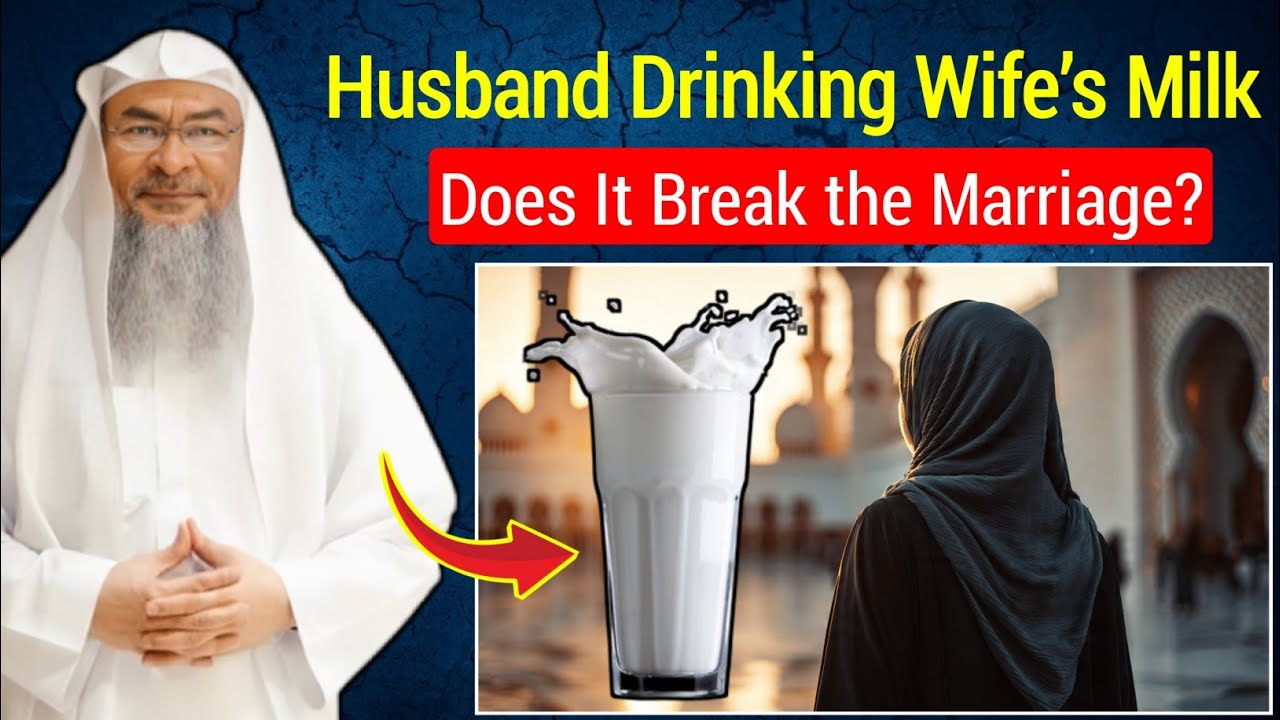
Does Breastfeeding Between Spouses Change the Nikah Status? | Sheikh Assim Al-Hakeem
The Straight Path
Overview
This video addresses two distinct Islamic jurisprudence questions. The first concerns the permissibility of killing ants, particularly when they are unintentionally killed during bathroom cleaning. The second question explores whether a married man breastfeeding from his wife can alter their marital status. The answers provided are based on established Islamic principles, Hadith, and Quranic interpretations, emphasizing the concepts of harm, unintentional actions, and specific conditions for suckling to affect kinship.
How was this?
Save this permanently with flashcards, quizzes, and AI chat
Chapters
- Islam generally prohibits the killing of ants and bees, as mentioned in Hadith.
- However, this prohibition is lifted if the ants or bees are causing harm or are dangerous.
- Unintentional killing of ants, such as when cleaning a bathroom, does not incur sin.
- The Quran mentions ants in a story about Prophet Solomon, highlighting their awareness and the potential for unintentional harm.
- Infestation or harmful bites from ants justify their killing.
Understanding the conditions under which it is permissible to kill pests like ants is important for maintaining a clean and safe living environment without violating religious principles.
If ants die as a consequence of water flow while you are showering or when you are drying the bathroom floor, there is no sin on you because the killing is unintentional.
- The act of a married man suckling his wife's breast after pregnancy is considered unusual and not natural.
- For suckling to prohibit marriage or establish a foster relationship, specific conditions must be met.
- Condition 1: The child must be under two years of age.
- Condition 2: There must be at least five distinct, full milk feedings.
- If these conditions are not met, suckling does not change the marital status or create a foster relationship.
This ruling clarifies the specific conditions under which breastfeeding can affect marital relationships and kinship, preventing misinterpretations and ensuring correct application of Islamic law.
If a man, even if married, were to suckle his wife's breast, but he is over two years old, or if it is not five full milk feedings, it does not make him her child through suckling, nor does it void their marriage.
Key takeaways
- Islamic rulings often balance general prohibitions with exceptions based on necessity and the prevention of harm.
- Unintentional actions that result in harm to creatures are generally excused in Islamic law.
- The Quran and Hadith provide guidance on interactions with all living beings, including insects.
- The concept of fosterage (milk kinship) in Islam has very specific conditions that must be strictly adhered to.
- Suckling only establishes fosterage if the child is below two years old and has completed five full milk feedings.
- Actions that are unusual or unnatural do not automatically carry religious prohibition unless they violate established Islamic principles.
- Islamic jurisprudence requires careful consideration of context and conditions when applying rulings.
Key terms
HaramHadithProphetSolomonQuranNikahSucklingFoster RelationshipWet NurseMilk Kinship
Test your understanding
- Under what circumstances is it permissible to kill ants according to Islamic teachings?
- What are the two primary conditions that must be met for suckling to establish a foster relationship?
- How does Islamic law differentiate between intentional and unintentional harm caused to creatures?
- Why is the act of a married man suckling his wife's breast considered unusual in the context of Islamic rulings on fosterage?
- What is the significance of the Quranic mention of ants in relation to Prophet Solomon?