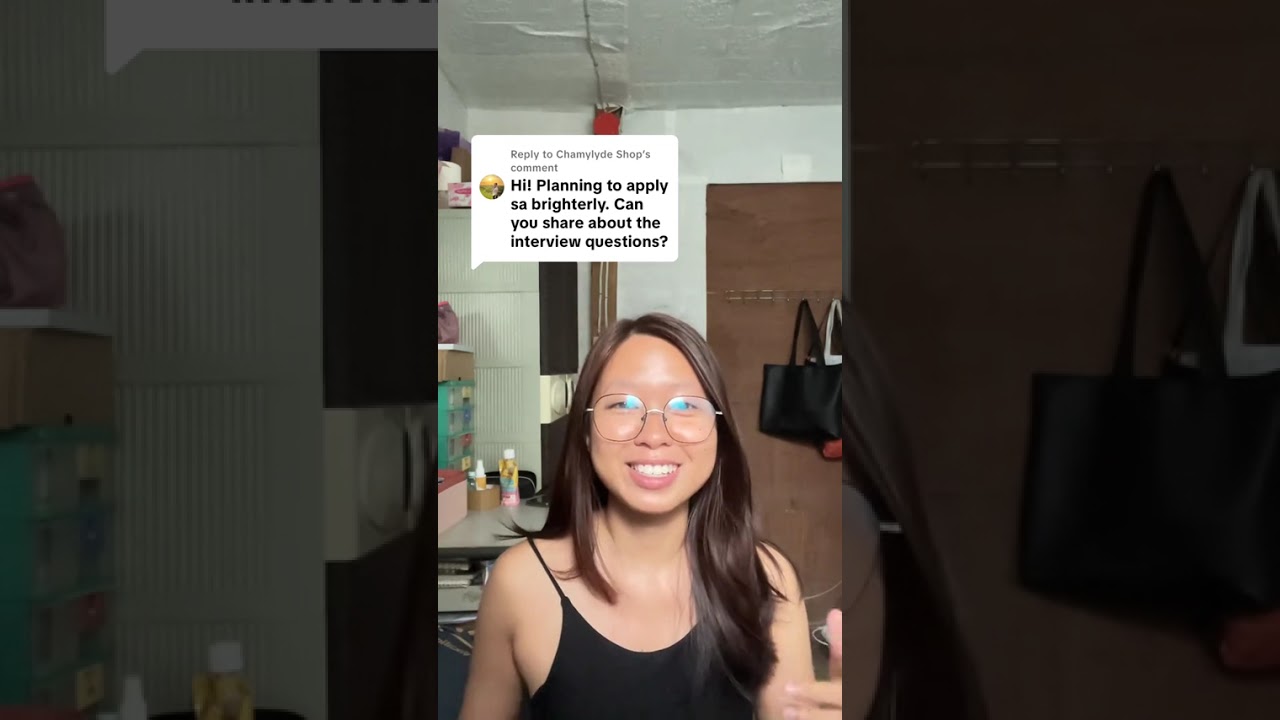
4:18
SAMPLE QUESTIONS FOR ONE ON ONE INTERVIEW IN BRIGHTERLY!
JENNY ROSE AGNIS
Overview
This video provides a guide for individuals interviewing with Brighterly, an online tutoring platform. It details common interview questions, focusing on self-introduction and situational scenarios. The interviewer shares personal responses to hypothetical situations involving distracted, shy, or parent-interfering students, emphasizing strategies for engagement, trust-building, and assessing student understanding. The goal is to prepare candidates for the types of challenges they might face and how to respond effectively to ensure student learning.
How was this?
Save this permanently with flashcards, quizzes, and AI chat
Chapters
- Prepare to introduce yourself thoroughly during the interview.
- Highlight relevant work experience, your major, and years of experience.
- Emphasize any work experience related to mathematics.
- Be ready to articulate your qualifications clearly and concisely.
Your introduction is the first impression, setting the tone for the rest of the interview and showcasing your suitability for the role.
State your major (e.g., Mathematics), years of experience (e.g., 5 years), and any specific math-related roles you've held.
- Recognize that student distraction is a common challenge.
- The primary goal is to regain the student's attention and engagement.
- Use personal, relatable questions (e.g., about their day, hobbies) to re-engage them.
- Building rapport through conversation can lead to a more receptive learning environment.
Effective strategies for managing distraction are crucial for maintaining a productive learning session and ensuring the student benefits from the tutoring.
If a student is distracted, ask them about their favorite sport, like basketball, to spark their interest and encourage them to talk.
- Shy students may not readily respond to direct questions.
- Building trust is essential for encouraging participation.
- Maintain a friendly demeanor and a consistent smile.
- Create a safe and approachable environment, especially for younger learners (grades 1-8).
Teachers must be adept at fostering a comfortable atmosphere where even the most reserved students feel safe enough to engage and learn.
Consistently smile and maintain friendly eye contact to build trust with a shy student, making them feel more comfortable opening up.
- Parents may inadvertently answer questions intended for the student.
- The goal is to assess the student's independent understanding.
- Politely request the parent allow the student to answer independently.
- If the parent persists, ask the student to explain their problem-solving process rather than just the answer.
It's vital to ensure the student is genuinely learning and not just relying on parental assistance, allowing for accurate assessment of their capabilities.
Ask the student, 'Can you explain to me how you got this answer?' or 'What was the first step you took?' to gauge their understanding of the process.
Key takeaways
- Interviews often include situational questions to assess problem-solving and interpersonal skills.
- Building rapport and trust is fundamental when working with students, especially those who are shy or distracted.
- Effective communication involves adapting your approach based on the student's personality and engagement level.
- When parents are overly involved, gently guide the interaction back to the student's independent learning.
- Focus on understanding the student's thought process, not just their final answers.
- A positive and friendly demeanor is crucial for creating a conducive learning environment.
Key terms
Situational questionsStudent engagementBuilding trustGaining attentionAssessing student abilityProblem-solving processParental involvementRapport
Test your understanding
- How would you introduce yourself in an interview, highlighting your relevant qualifications?
- What strategies can you use to re-engage a student who appears distracted during a lesson?
- Why is it important to build trust with shy students, and how can you achieve this?
- How should you respond if a parent consistently answers questions for their child during a tutoring session?
- What is the difference between assessing a student's final answer and their problem-solving process?