29:57
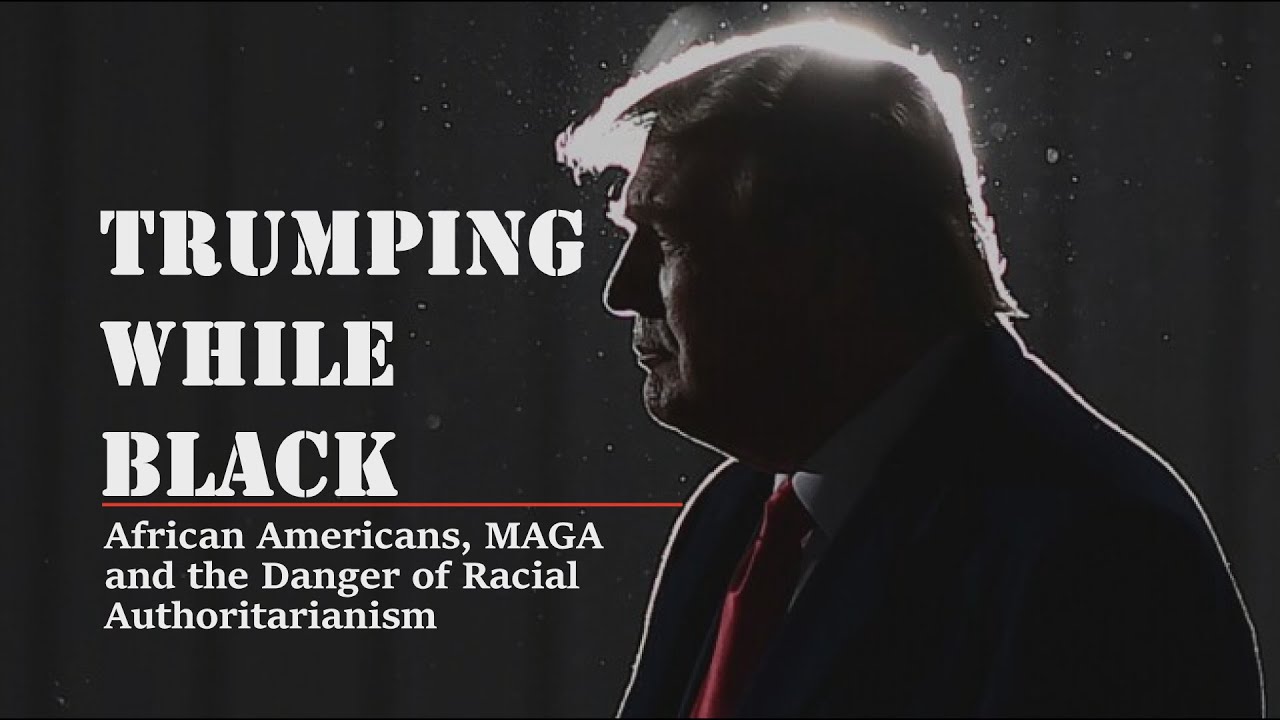
Trumping While Black
CaribNation TV
Overview
This video explores the phenomenon of African Americans aligning with the MAGA movement and Donald Trump, a trend that challenges traditional political affiliations. Dr. Clarence Lusain discusses the historical context of Black political engagement, the characteristics of "Black MAGA" supporters, and the motivations behind this shift, which range from ideological alignment to career opportunism. The discussion highlights how these individuals often downplay or deny Trump's history of racial insensitivity and examines the implications for future elections, emphasizing the need for Democrats to actively engage with Black communities.
How was this?
Save this permanently with flashcards, quizzes, and AI chat
Chapters
- The MAGA movement, while rooted in white supremacist and Christian nationalist ideologies, has attracted a multi-racial following, including African Americans.
- Historically, African Americans have fought for a more inclusive and democratic society, largely aligning with progressive politics.
- A segment of African Americans are now aligning with Donald Trump and the MAGA movement, a trend that is surprising given Trump's history of racial practices.
- This alignment is distinct from traditional Black conservatism, as the MAGA movement is characterized as extremist and anti-democratic.
Understanding this phenomenon is crucial for comprehending the evolving landscape of American politics and the complexities of racial identity within political movements.
The existence of groups like 'Black Voices for Trump' and the 'National Black Republican Association' actively endorsing and supporting Donald Trump.
- Various organizations have emerged to support Trump within the Black community, such as 'Black Americans to Reelect the President' and the 'Black Conservative Foundation'.
- Prominent Black figures in politics, like Supreme Court Justice Clarence Thomas and Congress members Tim Scott and Byron Donalds, are associated with or supportive of Trump.
- State-level politicians, such as Mark Robinson in North Carolina, exhibit extreme views and align with the MAGA agenda.
- A key characteristic of "Black MAGA" is the denial or downplaying of Donald Trump's racism, often reframing controversial statements as strategic politics.
Identifying these figures and organizations helps to illustrate the tangible presence and influence of Black supporters within the broader MAGA movement.
Reverend Daryl Scott's statement that he didn't have a problem with Trump questioning Barack Obama's birthplace, viewing it as smart politics rather than racist.
- Some Black MAGA supporters are genuinely aligned with the movement's conservative and far-right ideology on issues like abortion and LGBTQ+ rights.
- Others are career opportunists who see aligning with Trump as a path to personal advancement, monetization of their political brand, or proximity to power.
- Individuals like Omarosa Manigault Newman and Stacy Dash experienced public falling outs with Trump, suggesting that these alliances can be unstable.
- Candace Owens, a prominent figure, has also reportedly distanced herself from Trump after not receiving the expected benefits.
Distinguishing between ideological conviction and opportunistic behavior is key to understanding the sustainability and depth of these political alignments.
Alita King, niece of Martin Luther King Jr., leveraging her family name and aligning with Trump for visibility and transactional political benefits.
- The 'Blexit' movement, co-founded by Candace Owens and Kanye West, argues that the Democratic Party takes Black votes for granted and fails to deliver on promises.
- This narrative echoes Donald Trump's criticisms of the Democratic Party and often involves attacks on the Civil Rights Movement and Black Lives Matter.
- The historical political alignment of African Americans has shifted over time, based on where their interests are best served, rather than strict party loyalty.
- Historically, Black voters were with the Republican party before the Great Depression, shifting towards Democrats due to New Deal policies and later due to the Civil Rights era.
Examining the 'Blexit' argument reveals the perceived failures of the Democratic Party from the perspective of some Black voters and highlights the historical fluidity of Black political allegiance.
Candace Owens' personal history of experiencing racial bullying and seeking help from the NAACP, contrasting with her later shift towards anti-establishment and pro-Trump rhetoric.
- For many in the MAGA movement, their political careers are tied to predominantly white, conservative constituents rather than the broader Black community.
- These individuals often represent districts where their political success depends on appealing to white voters, not necessarily on addressing issues central to the Black community.
- Organizations supporting Black MAGA figures are often funded by white conservative donors, not by the Black community itself.
- Some Black candidates who ran with Trump's support in majority-Black districts lost due to the community's established ties with the Democratic Party.
This chapter underscores how the political survival and success of some Black MAGA figures are dependent on white conservative bases, potentially decoupling them from traditional Black community interests.
Byron Donalds and John James representing overwhelmingly white districts, indicating their political futures are linked to these demographics.
- Poll data suggests a notable increase in the percentage of Black voters considering voting for Donald Trump in upcoming elections.
- This trend presents a significant challenge for the Democratic Party, requiring them to actively engage Black communities and articulate the benefits of Biden's agenda.
- Younger Black voters, who may have less direct experience with Trump's presidency, are a key demographic that needs to be reached.
- The war in Gaza and President Biden's handling of it are significant issues for younger voters that MAGA forces are likely to exploit.
The potential shift in Black voter support has significant implications for the upcoming presidential election, highlighting the need for strategic outreach and engagement by the Democratic Party.
Polls indicating 15-25% of Black voters might support Trump, a figure that could impact swing states and the overall election outcome.
Key takeaways
- The MAGA movement's appeal extends beyond its core base, attracting a segment of African Americans who challenge traditional political alignments.
- Motivations for supporting Trump among Black individuals vary, encompassing genuine ideological agreement and strategic career opportunism.
- Many Black MAGA figures often deny or downplay Trump's history of racial insensitivity, framing it as political strategy.
- The 'Blexit' narrative critiques the Democratic Party for taking Black votes for granted, mirroring arguments made by Donald Trump.
- The political success of some Black MAGA figures is increasingly tied to white conservative electorates, potentially creating a disconnect with the broader Black community.
- A notable portion of Black voters are reportedly considering Donald Trump, posing a challenge for Democrats who must re-engage these communities.
- Foreign policy issues, such as the war in Gaza, are becoming significant factors influencing younger Black voters' political decisions.
Key terms
Trumping While BlackMAGA MovementRacial AuthoritarianismBlack MAGABlexitWhite Supremacist IdeologyChristian NationalismPolitical OpportunismSwing StatesDemocratic PartyRepublican Party
Test your understanding
- What are the primary motivations cited for African Americans aligning with the MAGA movement?
- How do Black MAGA supporters typically address or deny Donald Trump's history of racial controversies?
- What is the core argument of the 'Blexit' movement, and how does it relate to the Democratic Party?
- Why is the political success of some Black MAGA figures often tied to predominantly white constituencies?
- What are the potential implications of a shift in Black voter support for the upcoming presidential elections, and what challenges does this present for the Democratic Party?