28:46
How This Forgotten Trope Predicted Modern Loneliness
Fake Gyllenhaal
Overview
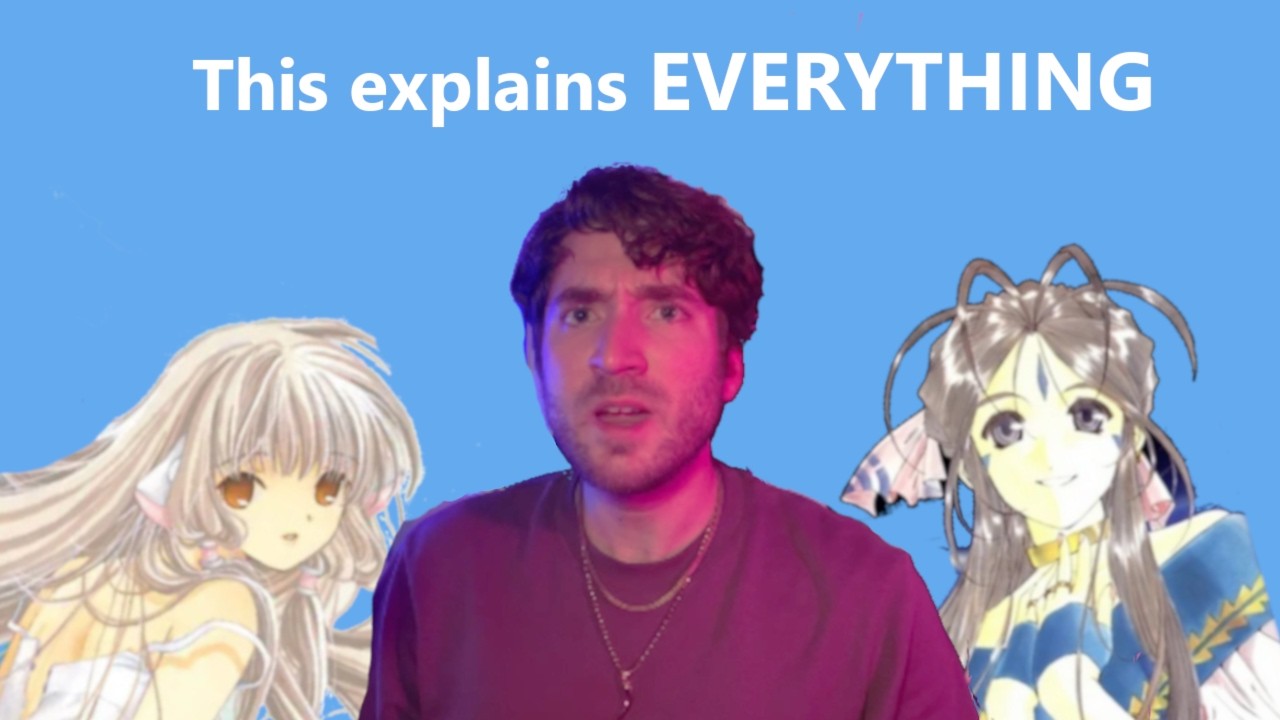
This video explores the "magical girlfriend" trope in Japanese manga and anime, tracing its origins from 1960s American sitcoms like Bewitched and I Dream of Jeannie. It analyzes how the trope evolved from a female power fantasy to a male wish-fulfillment fantasy, particularly in the context of Japan's "Lost Decade" economic recession and declining birth rates in the 1990s. The summary highlights how these stories offered comfort and escape by fulfilling desires for unconditional love, social status, and a refuge from rejection, resonating with modern feelings of loneliness amplified by technology.
How was this?
Save this permanently with flashcards, quizzes, and AI chat
Chapters
- The "magical girlfriend" trope features a female love interest with magical abilities who aids an average man.
- Its roots can be traced to the 1960s sitcom "Bewitched," initially a female power fantasy subverting the housewife role.
- "I Dream of Jeannie" shifted the trope towards male wish fulfillment, presenting a more subservient and outwardly affectionate genie.
- Both shows, despite their differences, established a blueprint for a female character with powers serving a male protagonist.
Understanding the early iterations of the magical girlfriend trope reveals its initial purpose and how it began to be shaped by audience and network desires, setting the stage for its later evolution.
Samantha in "Bewitched" uses magic to navigate domestic life, often with a sarcastic edge, while Jeannie in "I Dream of Jeannie" uses her powers primarily to please her 'master,' Tony.
- "Bewitched" inspired "Sally the Witch" in Japan, kickstarting the "magical girl" trope.
- The manga "Urusei Yatsura" (1978) introduced the magical girlfriend to Japanese media, featuring an alien princess who becomes the protagonist's wife.
- While "Urusei Yatsura" had elements of male gaze and wish fulfillment, its protagonist Lum's powers were more for comedic effect and to punish the male lead's infidelity.
- The manga "Oh My Goddess" (1988) is considered the point where the magical girlfriend trope truly solidified as a male wish-fulfillment fantasy, with the goddess Belldandy devoted to serving the protagonist Keiichi.
This chapter shows how the trope was adapted and refined within Japanese cultural contexts, moving closer to its modern form as a fantasy for male audiences.
In "Oh My Goddess," Keiichi, a lonely college student, wishes for the goddess Belldandy to stay with him, and she becomes his devoted companion, fulfilling domestic duties and offering unconditional affection.
- The 1990s saw a technological turn in the magical girlfriend trope, influenced by anxieties surrounding Japan's "Lost Decade" economic recession.
- The recession shattered the lifetime employment model, leading to job insecurity and delayed marriages, contributing to declining birth rates (the "1.57 shock").
- Dating simulation games and the rise of technology fueled fears that men were replacing real relationships with digital ones.
- Manga like "Video Girl Ai," "AI Love You," and "Chobits" incorporated AI and virtual beings, reflecting these cultural anxieties and offering technological wish fulfillment.
This section connects the evolution of the trope to specific socio-economic conditions in Japan, explaining why technological themes became prominent and how they addressed contemporary fears.
"AI Love You" features Sati, an AI girlfriend created by a lonely programmer, who comes to life from a computer, embodying the fantasy of a perfect, digitally-created companion.
- The core wish fulfillment in these stories often centers on unconditional love and acceptance, especially for protagonists who feel inadequate or lonely.
- Magical girlfriends provide a fantasy of elevated social status, making the protagonist more respected by peers.
- A significant appeal is the fantasy of avoiding rejection, offering a safe space free from the pain of social or romantic setbacks.
- These narratives offer a refuge from societal and economic pressures, providing comfort in an increasingly uncertain world.
Understanding these underlying desires explains the enduring appeal of the trope, revealing how it taps into fundamental human needs for validation and belonging, particularly in challenging times.
Protagonists like Yota from "Video Girl Ai" are often portrayed as social outcasts, but their magical girlfriends offer them unwavering affection and support, making them feel valued despite their flaws.
- The trope has been criticized for potentially reinforcing traditional gender roles and reflecting anxieties about women's growing independence and delayed marriage.
- Some narratives, like "Video Girl Ai" and "Chobits," attempt to deconstruct the fantasy but often fall short, highlighting the protagonist's selfishness or the artificiality of the relationship.
- The trope shares similarities with the "manic pixie dream girl" trope, where female characters exist primarily to serve the male protagonist's development.
- The fantasy of a compliant, non-rejecting partner resonates with modern parasocial relationships formed with AI like ChatGPT, which offer engagement without the risk of human rejection.
Examining the criticisms and modern parallels helps us understand the trope's limitations and its surprising prescience in predicting contemporary issues of loneliness and our reliance on technology for emotional connection.
The way AI companions like ChatGPT mimic human interaction to provide comfort and engagement, much like fictional magical girlfriends, illustrates the modern manifestation of the desire for connection without the fear of rejection.
Key takeaways
- The "magical girlfriend" trope evolved from a female power fantasy in 1960s American TV to a male wish-fulfillment fantasy in Japanese media.
- Socio-economic factors in Japan, particularly the "Lost Decade" recession, influenced the trope's technological turn and its appeal to men facing job insecurity and delayed marriage.
- A primary appeal of the magical girlfriend trope is the fantasy of unconditional love and acceptance, offering a refuge from personal flaws and societal pressures.
- The trope fulfills the desire to avoid rejection, a core element that makes these fictional relationships highly appealing.
- Modern AI companions share characteristics with magical girlfriends, offering simulated connection and emotional support without the risk of human rejection.
- Critically engaging with older media like the magical girlfriend trope involves understanding its historical context and recognizing the underlying desires and anxieties it reflects.
Key terms
Magical Girlfriend TropeWish FulfillmentMale GazeBewitchedI Dream of JeannieOh My GoddessLost Decade1.57 ShockMoral PanicDating SimAI CompanionParasocial RelationshipManic Pixie Dream Girl
Test your understanding
- How did the "magical girlfriend" trope shift from its origins in "Bewitched" to its portrayal in "I Dream of Jeannie"?
- What specific economic and social conditions in Japan during the 1990s contributed to the rise of the technological "magical girlfriend" trope?
- Beyond simple companionship, what deeper psychological needs does the "magical girlfriend" trope fulfill for its audience?
- In what ways do modern AI chatbots and virtual companions mirror the functions and appeals of fictional "magical girlfriends"?
- What are the main criticisms leveled against the "magical girlfriend" trope, particularly concerning gender roles and female autonomy?