10:56
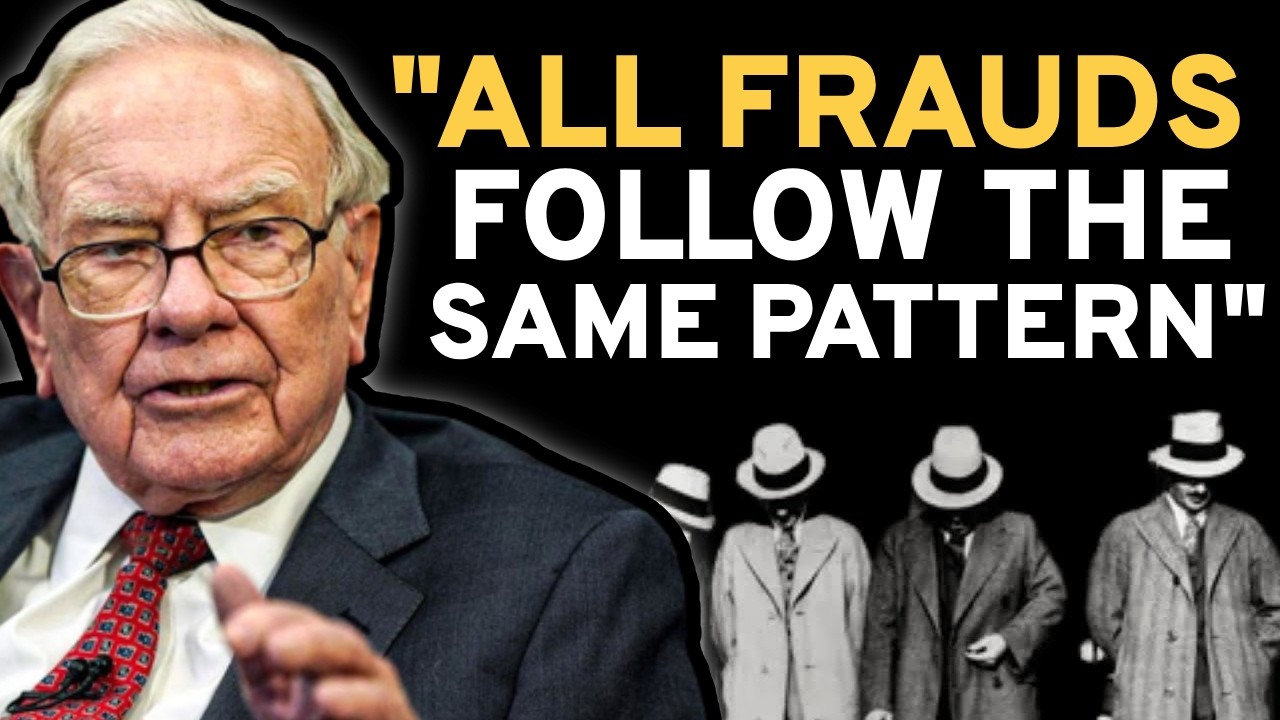
Warren Buffett On Exposing Business Frauds And Deception
The Long-Term Investor
Overview
This video explores how Warren Buffett and Charlie Munger identify and avoid business frauds and deceptive practices. They emphasize that people often reveal their true nature through their words and actions, especially when a deal seems too good to be true. The discussion highlights the importance of deep suspicion, careful observation of behavior, and understanding accounting nuances to prevent financial losses. Buffett shares anecdotes, including a clever tactic used to settle an insurance claim, illustrating how to deal with unfair practices and the importance of integrity in business dealings.
How was this?
Save this permanently with flashcards, quizzes, and AI chat
Chapters
- Many financial dealings involve hidden costs and misleading information, not always outright fraud.
- People often reveal their intentions and character through what they emphasize and what they ignore.
- A strong indicator of potential deception is when a business proposition seems exceptionally easy or too good to be true.
- Buffett and Munger filter out a large percentage of opportunities based on these initial red flags.
Learning to recognize these early warning signs helps investors avoid significant financial losses and protects them from being taken advantage of.
A promoter offering fire insurance only on concrete bridges covered by water, implying an effortless profit ('like taking candy from babies').
- An employee of Charlie Munger's firm stole money, and the firm filed a claim under their fidelity bond.
- The large insurance company initially denied the claim, creating an unfair bargaining position.
- Munger proposed to multiply the claim amount by ten, making it financially worthwhile for the insurance company to either pay or appeal.
- This tactic, by leveling the playing field, resulted in the claim being paid promptly.
This story demonstrates a clever strategy for enforcing fairness when faced with an unfair or evasive party, particularly in contractual or insurance disputes.
Munger suggested that instead of a $12,000 claim, they make it a $120,000 claim. If the insurance company lost, they'd pay $120,000; if Munger lost, he'd pay $120,000, making the dispute worth pursuing for both sides.
- When acquiring businesses, accurately assessing the character and integrity of the sellers is crucial.
- The enthusiasm and commitment of the seller post-transaction are key indicators of their trustworthiness.
- Financial statement analysis, particularly in insurance, can reveal fraudulent activities.
- Suspicious decreases in loss reserves before public stock offerings or sales can be a red flag.
Understanding how to evaluate both the people involved in a deal and the underlying financial data is essential for making sound investment decisions and avoiding hidden risks.
Observing companies suspiciously lowering their loss reserves in the years leading up to a stock offering, suggesting an attempt to inflate reported earnings.
- Promoters and investment bankers may use accounting 'games' to present a more favorable financial picture.
- Distinguishing between cash expenses and stock-based compensation can be manipulated to alter reported earnings.
- Private equity firms might instruct managers to inflate projections to offset perceived conservatism.
- These practices involve misrepresenting the true financial health of a company.
Awareness of common accounting manipulations and projection inflation tactics is vital for investors to see through misleading financial reporting and make informed judgments.
A proposal to value a private company's earnings higher by treating stock options (not expensed) differently than cash bonuses (expensed), effectively 'lying about accounting' to add $10 million in reported earnings.
Key takeaways
- Always be deeply suspicious of propositions that appear too good to be true, as they often hide deception.
- Pay close attention to how individuals present information; their focus and omissions can reveal their true intentions.
- Understand that financial reporting can be manipulated through accounting 'games' and projection inflation.
- When faced with unfair practices, find ways to level the bargaining field to ensure a fair outcome.
- The integrity of the people involved in a business transaction is as important as the financial numbers.
- Analyzing changes in financial reserves, especially around key corporate events, can uncover potential fraud.
- Don't expect to identify every fraud, but focus on making correct decisions about the opportunities you do pursue.
Key terms
Financial FraudDeceptionFidelity BondLoss ReservesAccounting GamesStock OptionsInvestment BankerPrivate EquityPromoterBargaining Position
Test your understanding
- What are the common 'tells' or indicators that a business proposition might involve deception?
- How can one strategically respond when facing an unfair bargaining position in a financial dispute?
- Why is it important to scrutinize changes in loss reserves when evaluating insurance companies?
- What are some examples of 'accounting games' that can be used to manipulate reported earnings?
- How does Warren Buffett suggest assessing the trustworthiness of individuals when buying a business?