11:17
Bapa's last canoe
JULLISA LAZO MOGOLLON
Overview
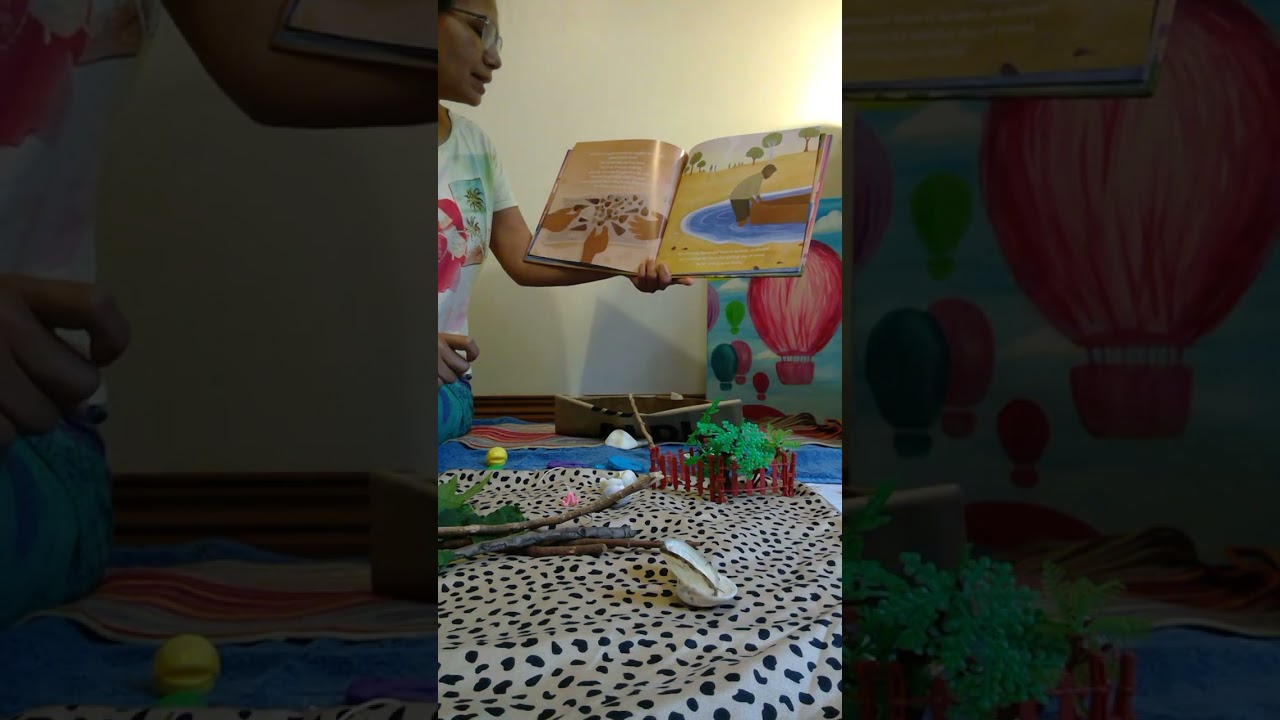
This video summarizes the book "Bapa's Last Canoe," detailing a traditional father's life and his family's journey. It highlights the cultural significance of canoe making, fishing, storytelling, and community gatherings. The narrative culminates in a poignant farewell to their traditional lifestyle as the children are sent to the city for schooling, emphasizing the bittersweet transition between cultural heritage and modern education.
How was this?
Save this permanently with flashcards, quizzes, and AI chat
Chapters
- Bapa, the father, is a traditional craftsman who makes canoes from trees.
- His daily routine involves waking early, making a fire, cooking, and preparing for the day.
- The children observe Bapa working with an ax, learning about his craft.
- Canoes are essential for travel, fishing, and visiting family along the coast.
This chapter establishes the central role of traditional skills and family connection in the characters' lives, setting the stage for the story's themes.
Bapa uses an ax to shape a tree into a canoe, a process the children watch with interest.
- Family trips in the canoe are long journeys for fishing and visiting relatives.
- The canoe is large enough for Bapa and the children, sparkling in the sun.
- During the journey, they share stories, and the children enjoy the water.
- They stop to meet extended family, including aunties, uncles, cousins, and friends, highlighting the importance of community.
This illustrates the deep social bonds and the joy derived from shared experiences within the extended family and community, facilitated by the canoe.
The family stops at a beach where they are greeted by a large gathering of aunties, uncles, cousins, and friends.
- Evenings are spent gathered around a campfire for dinner, enjoying seafood like prawns and long-buns.
- The campfire provides warmth and a focal point for family bonding.
- Under the moonlight and stars, Bapa tells stories about their home and heritage.
- These stories are a vital way to pass down cultural knowledge and history.
This emphasizes the cultural transmission of knowledge and values through oral traditions, strengthening identity and connection to their roots.
Bapa tells stories about their home to the gathered family around the campfire, keeping them warm and engaged.
- The family continues traveling for months, visiting many relatives.
- Bapa is a skilled hunter, always carrying his spear.
- The journey back home is marked by a significant announcement: it will be their last canoe ride.
- The children are being sent to the city for schooling, necessitating a departure from their traditional lifestyle.
This marks a critical turning point, introducing the conflict between preserving tradition and embracing opportunities for education, and the emotional impact of change.
Bapa tells the children that this is their very last canoe ride because they will be going to school in the city.
- They reach a place called Babi, signifying the end of their journey and lifestyle.
- Bapa quietly watches the canoe disappear into the sea, a symbolic farewell.
- The children are sad and cry, feeling the pain of leaving their home and way of life.
- There's a promise of return, where they can learn and fish together again, offering a glimmer of hope.
This chapter captures the emotional weight of cultural transition, acknowledging the sadness of leaving behind a cherished way of life while holding onto the hope of future reconnection.
Bapa pushes the canoe away, and the children cry as they watch it disappear into the sea, symbolizing the end of an era.
Key takeaways
- Traditional craftsmanship, like canoe making, is central to cultural identity and daily life.
- Family and community bonds are strengthened through shared journeys, storytelling, and gatherings.
- Oral traditions and storytelling are vital for passing down cultural heritage and history.
- Education in the city presents a significant cultural shift, often requiring a departure from traditional lifestyles.
- Transitions between traditional ways of life and modern opportunities can evoke strong emotions of sadness and loss.
- Despite change, the hope of returning and reconnecting with heritage remains important.
Key terms
CanoeTraditional craftsmanCultural heritageCommunityStorytellingCampfireSeafoodOral traditionCultural transition
Test your understanding
- How does Bapa's role as a traditional craftsman influence his family's life and activities?
- What are the key social and cultural functions of the canoe journeys described in the book?
- Why is storytelling around the campfire significant for the family's cultural transmission?
- What are the underlying reasons for the family's departure from their traditional lifestyle, and what emotions does this evoke?
- How does the ending of the story balance the sadness of departure with a sense of hope for the future?