AI-Generated Video Summary by NoteTube
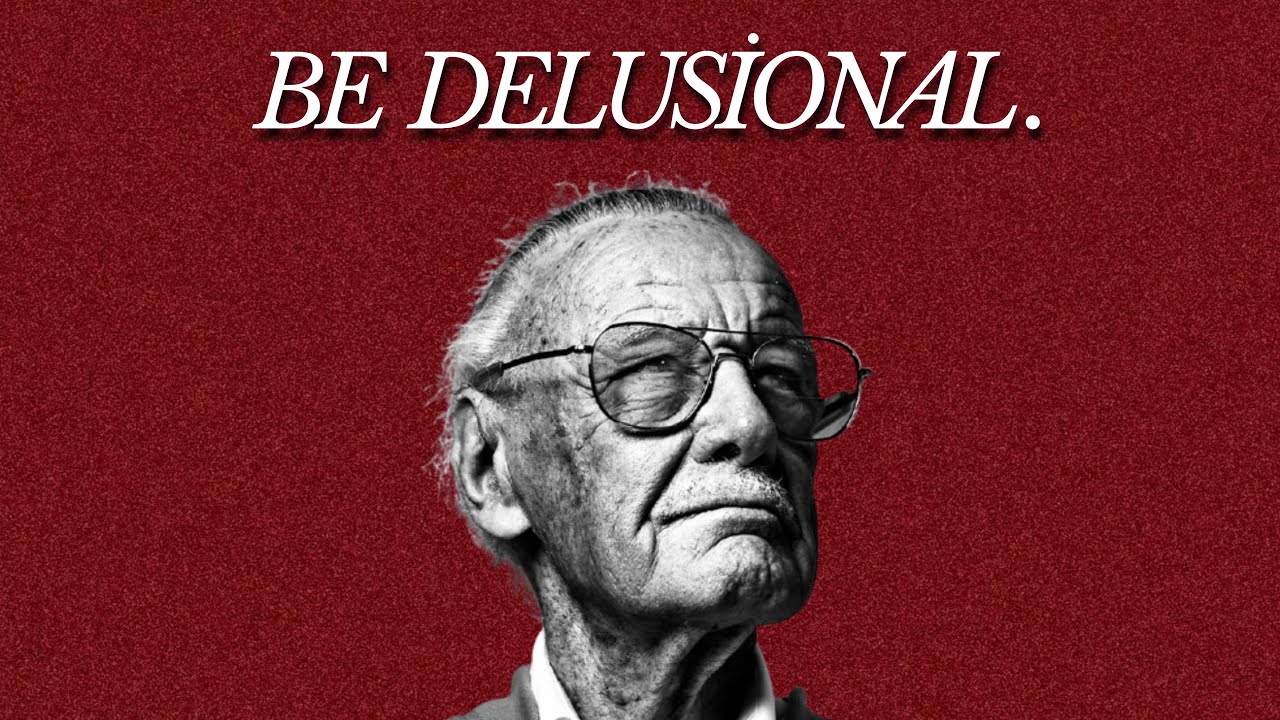
What if it actually works out?
Buildingminds
Overview
This video features a talk by Stan Lee, recounting the origin story of Spider-Man and drawing lessons from the experience. Lee explains how his publisher initially rejected the idea of a teenage superhero with spider-like abilities and personal problems, deeming it a terrible concept. Despite the rejection, Lee persisted, including Spider-Man in a dying magazine's final issue. The character's unexpected popularity led to a successful series. Lee uses this anecdote to emphasize the importance of believing in one's ideas, even when faced with criticism, and encourages pursuing work that is personally meaningful and allows for pride in the final product. He concludes by reflecting on his experience writing for younger generations and the need for a relatable voice.
This summary expires in 30 days. Save it permanently with flashcards, quizzes & AI chat.
Chapters
- •Stan Lee begins by sharing an anecdote about the creation of Spider-Man.
- •His publisher requested a new superhero after the success of Fantastic Four and X-Men.
- •Lee was inspired by a fly on the wall, envisioning a hero who could stick to walls.
- •Lee considered names like Flyman and Mosquito Man before settling on Spider-Man for its dramatic sound.
- •He decided to give the hero personal problems, making him relatable.
- •Lee also made the hero a teenager, noting the lack of teenage superheroes at the time.
- •The publisher vehemently rejected the Spider-Man concept.
- •Reasons included public dislike of spiders, the idea of teenagers as sidekicks, and superheroes not having personal problems.
- •Lee was disappointed but couldn't shake the idea.
- •A magazine called Amazing Fantasy was failing and heading for its last issue.
- •Lee used this opportunity to include Spider-Man, featuring him on the cover.
- •He did this partly to get the idea out of his system, with no expectation of success.
- •The final issue of Amazing Fantasy became a bestseller.
- •The publisher, impressed by the sales, wanted to create a Spider-Man series.
- •Lee's key takeaway: believe in your good ideas and don't let others dissuade you.
- •Not every idea will be a masterpiece, but pursue what feels right and meaningful.
- •Doing what you want to do, and doing it your way, leads to your best work.
- •Taking pride in completed work, regardless of its nature, is a great feeling.
- •Lee reflects on 30 years of writing for young people.
- •He believes he understands what young people think and are.
- •He aims to provide a needed voice that will be heard.
Key Takeaways
- 1Believe in your creative ideas, even when faced with initial rejection.
- 2Persistence can turn a seemingly bad idea into a success.
- 3Don't let others' doubts extinguish your passion for a concept.
- 4Pursue work that is personally meaningful to you.
- 5Doing work your own way, and taking pride in it, leads to fulfillment.
- 6The most unexpected projects can sometimes yield the greatest rewards.
- 7Understanding and voicing the perspectives of a specific audience is valuable.