6:37
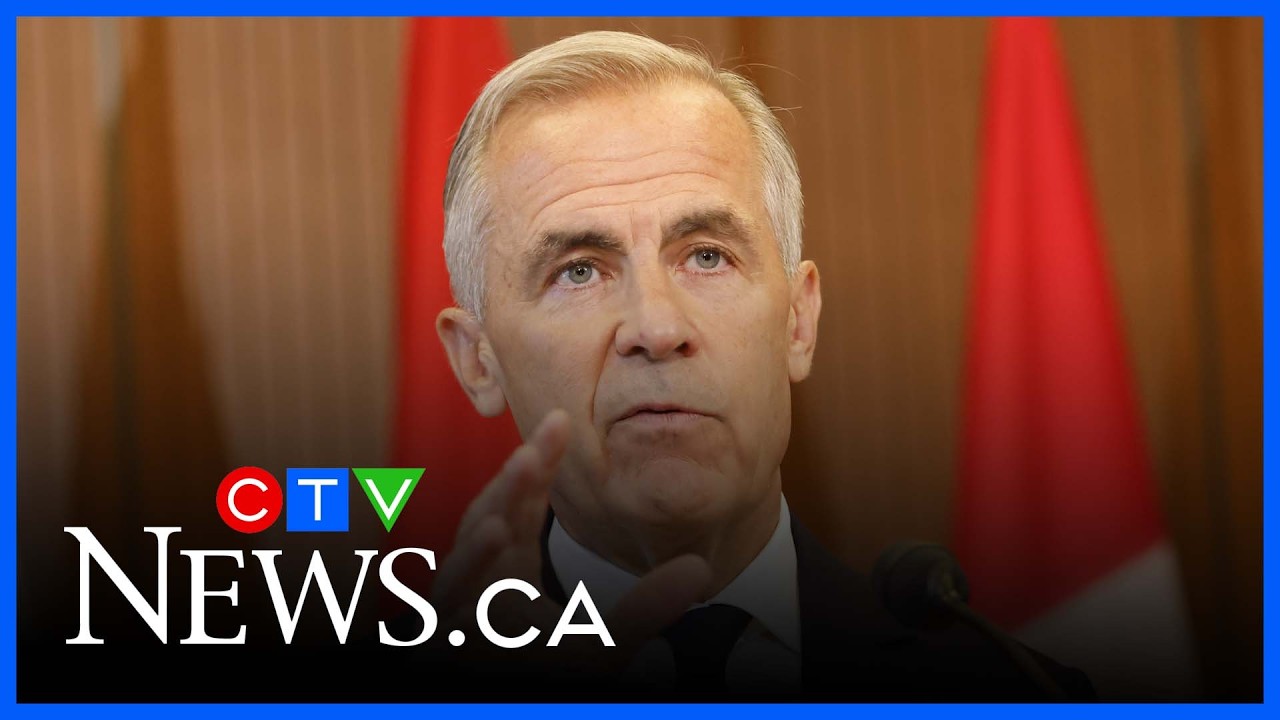
‘This was not a good faith deal’: Political analyst Lori Turnbull on why the tariff deal collapsed
CTV News
Overview
This video discusses the collapse of a tariff deal between Canada and the US, with political analyst Lori Turnbull providing insights. The deal fell apart due to last-minute US demands that would have harmed Canada's auto industry and restricted its global trade relationships. Turnbull explains that the US actions were perceived as unfair and not in good faith, leading Canada to walk away. The discussion also touches on the importance of internal Canadian political support, the immediate economic impact of new tariffs, and the potential for further retaliation and escalation of the trade dispute.
How was this?
Save this permanently with flashcards, quizzes, and AI chat
Chapters
- The US introduced last-minute restrictions on auto tariffs, aimed at shifting manufacturing to the US and harming Canada's auto industry.
- These demands contradicted Canada's strategy of diversifying trade and strengthening relationships with other countries.
- Concerns over cultural protections, particularly for the French language, also contributed to the deal's failure.
- The US actions were characterized as unfair, uneconomic, and not conducted in good faith.
Understanding the specific reasons for the deal's collapse highlights the core disagreements and Canada's strategic priorities in international trade.
Last-minute restrictions on lower auto tariffs designed to bring Canada's auto industry to a standstill and move manufacturing to the US.
- Canada's decision to walk away was a refusal to accept an unfavorable and unfair deal.
- Prime Minister Carney described the situation as being 'attacked,' indicating a lack of good faith from the US.
- Despite the setback, Canada aims to present a united front internally while acknowledging the challenges for future negotiations.
- The presence of a specific US negotiator may have introduced issues that Canada could not accept.
This section clarifies Canada's firm stance and the rationale behind rejecting the deal, emphasizing self-preservation and principles in trade negotiations.
Prime Minister Carney stating, 'because we were being attacked,' to explain the 'war mode' perception.
- Internal support from Canadian premiers, like Ontario's Doug Ford, is crucial for navigating the uncertain economic landscape.
- New 50% tariffs on a wider range of products took effect, increasing economic pressure on Canadian businesses and workers.
- The government plans to announce relief measures for affected sectors, extending beyond the current administration's term.
- Canadian premiers are expected to reassure citizens and advocate for standing up to unfair trade practices.
This illustrates the immediate economic consequences and the need for political solidarity within Canada to manage the fallout and reassure the public.
The implementation of a new round of 50% tariffs on a wider range of products as of midnight.
- Canada has promised to match US tariffs dollar-for-dollar as a counter-strategy.
- Initial public and political sentiment supports Canada's firm reaction and the use of counter-tariffs for protection.
- The future of trade conversations is uncertain, with no immediate meetings scheduled, creating a 'black hole' of unpredictability.
- Canada intends to highlight its importance as a trading partner to the US to influence future negotiations.
This chapter addresses the potential for an escalating trade war and Canada's strategy to leverage its economic significance to protect its interests.
Canada promising to match US tariffs dollar-for-dollar, with counter-tariffs taking effect the Tuesday after Labor Day.
Key takeaways
- Last-minute demands that fundamentally alter the terms of a trade deal can be grounds for walking away, especially if they harm national interests.
- A nation's trade strategy should prioritize diversification and strong international relationships, not just reliance on a single partner.
- Internal political unity and clear communication are vital for managing public anxiety and business concerns during trade disputes.
- Government relief measures are necessary to cushion the economic blow of new tariffs on specific industries and workers.
- Trade negotiations require good faith; perceived attacks or unfair practices can derail even potentially beneficial agreements.
- Counter-tariffs are a tool for protection and negotiation, but they carry the risk of escalating trade conflicts.
- Highlighting mutual economic interdependence can be a strategic lever in trade disputes.
Key terms
TariffsTrade DealAuto TariffsCounter TariffsGood Faith DealCultural ProtectionsDiversifying TradeTrade DisputeEconomic ImpactNegotiations
Test your understanding
- What were the specific last-minute US demands that caused the tariff deal to collapse?
- Why did Prime Minister Carney describe the situation as being 'attacked' rather than a negotiation?
- How does the implementation of new tariffs immediately affect Canadian businesses and workers?
- What is Canada's strategy for responding to US tariffs, and what are the potential risks?
- Why is internal political support from Canadian premiers considered important in this trade dispute?