2:25
Spot the HIPAA Violations
CRYROP CEO
Overview
This video highlights common HIPAA violations that can occur in a healthcare setting, focusing on the mishandling of Protected Health Information (PHI). It demonstrates scenarios involving casual conversations about patient data in public areas, improper disposal of physical records, and visible patient information on computer screens. The core message emphasizes the importance of maintaining patient privacy through secure communication, proper document handling, and screen security to prevent breaches.
How was this?
Save this permanently with flashcards, quizzes, and AI chat
Chapters
- Avoid discussing Protected Health Information (PHI) in areas where others can overhear.
- Maintain a low voice and ensure privacy when speaking about patient details.
- Be mindful of who might be inadvertently listening to conversations about patient care.
Conversations in public or semi-public areas can easily lead to unauthorized disclosure of sensitive patient information, violating privacy regulations.
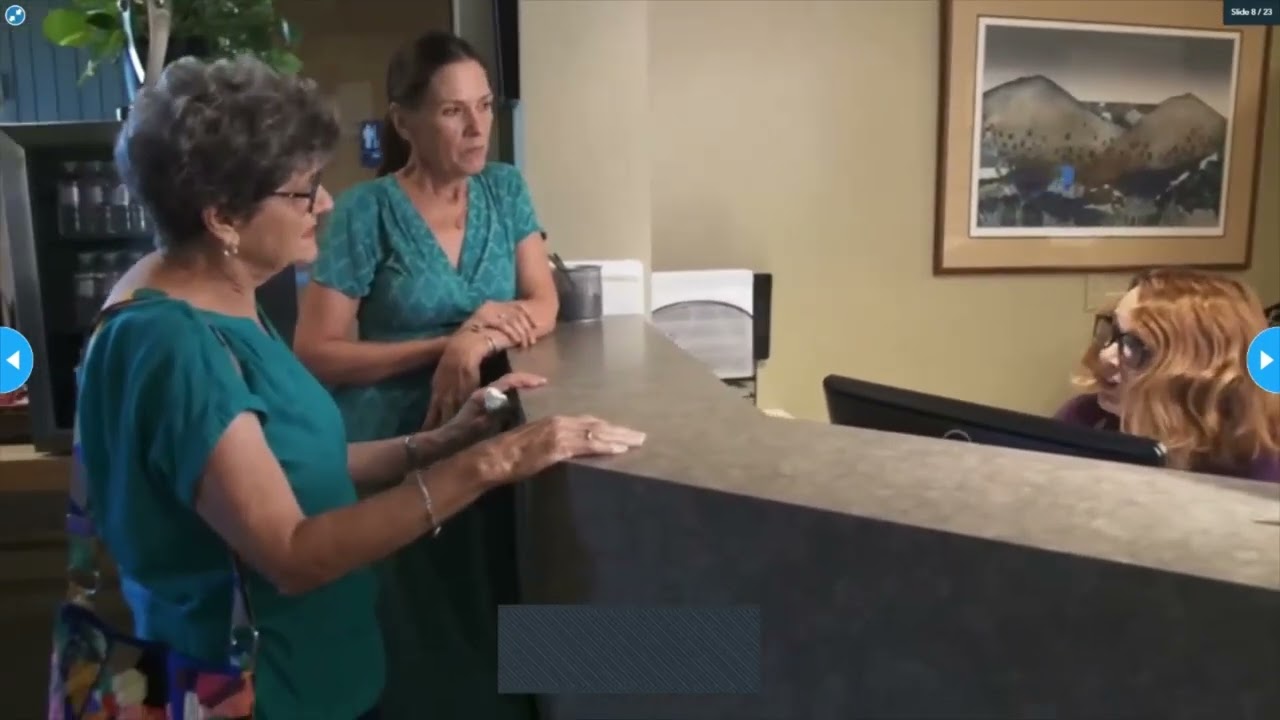
A receptionist discussing scheduling an ultrasound for a kidney with a patient while others are present and can potentially overhear the details.
- PHI documents, like MRI reports or blood work results, should not be left visible or accessible to unauthorized individuals.
- Copied PHI must be secured by the authorized person or properly shredded and disposed of in locked containers.
- Physical copies of PHI should be stored out of sight and protected from being misplaced or disclosed.
Improper handling of physical patient records can lead to their loss, theft, or unauthorized viewing, resulting in a breach of patient confidentiality.
A patient receiving a copy of Nate Turner's MRI report and another staff member almost mailing Mr. Richardson's blood work results without confirming the recipient.
- Computer monitors displaying PHI should be repositioned to face away from public view.
- Screens containing sensitive patient information should be locked when left unattended.
- Visible patient data on screens poses a risk of unauthorized access by anyone passing by.
Unsecured computer screens can expose patient data to anyone in the vicinity, creating a significant privacy risk.
A computer monitor displaying patient information that needs to be repositioned or locked to prevent passersby from seeing it.
Key takeaways
- HIPAA compliance requires constant vigilance in protecting patient privacy across all forms of communication and record-keeping.
- Always ensure conversations involving PHI are conducted in private settings with a low voice.
- Physical documents containing PHI must be secured, accounted for, or properly destroyed.
- Digital displays of PHI need to be shielded from public view and screens locked when not in use.
- Proactive measures in handling both physical and digital patient information are crucial to prevent privacy breaches.
- Understanding and avoiding common HIPAA violations is essential for all healthcare professionals.
Key terms
HIPAAProtected Health Information (PHI)PHI DisclosurePrivacy RuleBreachUnauthorized AccessShreddingSecure Disposal
Test your understanding
- What are the risks associated with discussing patient information in a public area?
- How should physical copies of PHI be handled to ensure compliance with HIPAA?
- Why is it important to secure computer screens that display patient data?
- What steps can a healthcare professional take to prevent accidental disclosure of PHI?
- What is the significance of proper disposal methods for PHI?