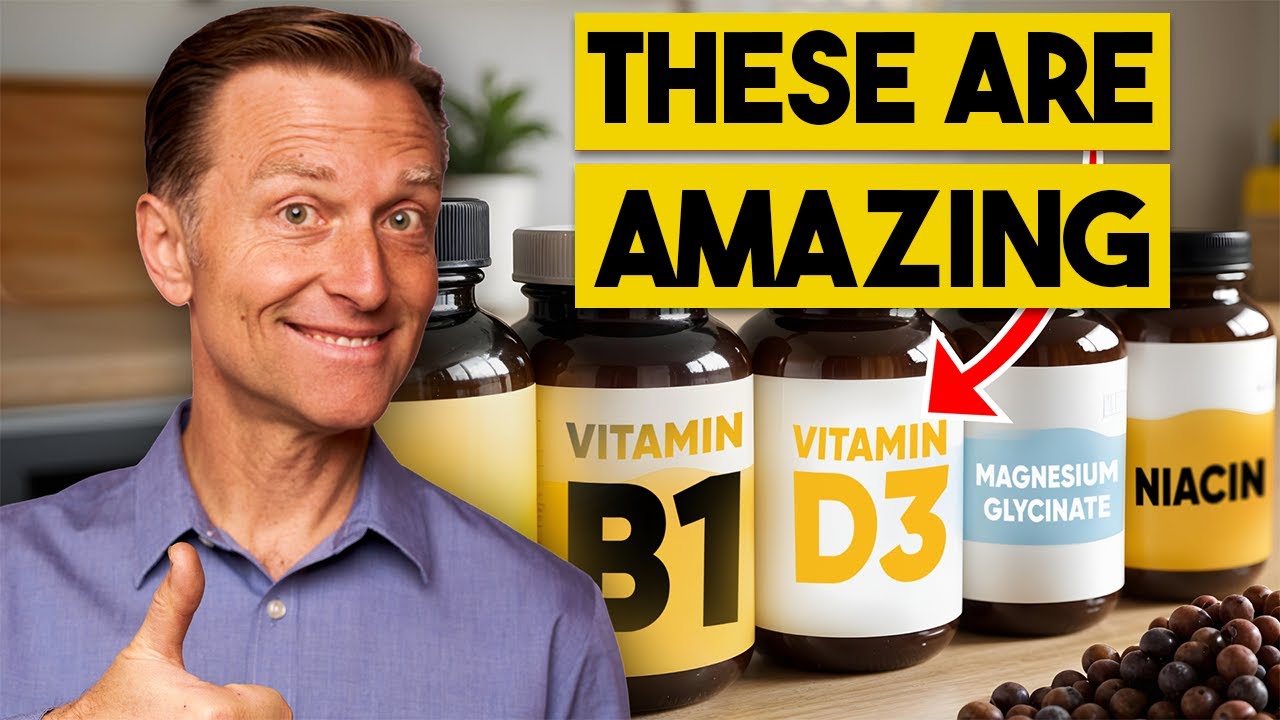
The Supplements That ACTUALLY WORK
Dr. Eric Berg DC
Overview
This video explores the practical applications of various supplements for specific health conditions, challenging the notion that only rigorously funded research is valid. The speaker emphasizes personal experience and observed efficacy, presenting a curated list of supplements and their benefits. Key topics include Vitamin D for inflammation and immune support, Magnesium for energy and preventing morning ailments, and other targeted remedies like Betaine HCl for indigestion, Zinc Carnosine for ulcers, Selenium for immune deficiencies, and Vitamin B1 for nervous system support. The summary also touches on supplements for bone health, cholesterol, and liver support, advocating for a nuanced approach to supplement use based on observed results and bodily needs.
Save this permanently with flashcards, quizzes, and AI chat
Chapters
- Traditional 'evidence-based' research on supplements can be misleading due to biased funding that may suppress natural remedy findings.
- Personal experience and observed effectiveness are valuable indicators of a supplement's utility.
- Vitamin D is crucial for numerous functions, including regulating the immune system, acting as a potent anti-inflammatory, and supporting conditions like autoimmune diseases, cancer, depression, glaucoma, and eye problems.
- High doses of Vitamin D3 can also help with pain (low back, hip, bone), hair loss, and various skin inflammatory conditions.
- When taking Vitamin D3, it's essential to also supplement with magnesium, zinc, and vitamin K2 as co-factors.
- Magnesium glycinate is recommended for its superior absorption compared to other forms.
- Magnesium is a critical co-factor that enables Vitamin D to function effectively; taking one without the other limits results and can cause side effects.
- Magnesium deficiency can manifest in early morning issues like leg cramps, foot cramps, increased risk of heart attacks, strokes, and higher blood sugar (dawn phenomenon).
- Higher doses of magnesium are often needed for conditions like migraine headaches.
- Magnesium plays a vital role in lowering cortisol and adrenaline for better sleep, preventing blood clotting, maintaining healthy blood pressure, preventing muscle cramping, acting as an electrolyte for heart rhythm (atrial fibrillation), and supporting energy production in mitochondria.
- Betaine hydrochloride (HCl) is recommended for heartburn and indigestion, as these symptoms often stem from insufficient stomach acid, not excess.
- Zinc carnosine is highly effective for stomach ulcers and calming gastritis.
- Selenium is crucial for immune function, particularly in conditions like AIDS, by supporting T-cells, and is also beneficial for Hashimoto's thyroiditis.
- One Brazil nut per day can provide a sufficient amount of selenium.
- Vitamin B1 (Thiamine) is essential for nervous system health, helping with stress, anxiety, and Restless Leg Syndrome, but requires magnesium as a co-factor to be effective.
- Calcium lactate can help with chronic coughing, but generally, calcium should be obtained from food sources (like cheese, vegetables, sardines) rather than high-dose supplements due to heart risks.
- Iron is best obtained from food (red meat, liver) or liver pills, rather than supplements, to avoid potential issues.
- Potassium is recommended for individuals sensitive to salt, suggesting increased intake to manage blood pressure.
- Co-enzyme Q10 is vital for individuals taking statins, as statins deplete this essential compound.
- Vitamin E, specifically the tocotrienol form, is highly effective for preventing fibrosis, supporting artery health, and aiding with angina and infertility.
- TUDCA (Tauroursodeoxycholic acid), a bile salt, can alleviate pain associated with thickened bile and may benefit neurological issues.
- Iodine is beneficial for managing fibrocystic breast conditions by regulating excess estrogen.
- Vitamin C is important for collagen production, particularly for gum health and preventing bleeding gums.
- Probiotics are recommended for individuals who have disrupted their gut health through excessive consumption of artificial sweeteners.
- Biotin supports hair, nail, and skin health, promoting growth.
- Manganese is helpful for Tourette's syndrome and tics.
- NAC (N-acetylcysteine) is a powerful liver protectant, especially after Tylenol overdose or exposure to toxins like poisonous mushrooms.
- Mastic gum can help with gastritis.
- Melatonin is recommended for severe sleep problems after other methods have failed.
- Niacin (Vitamin B3) can help with cholesterol management, though it may cause a temporary flushing response.
Key takeaways
- Supplement effectiveness can be observed through personal experience and practical application, not solely through traditional, potentially biased research.
- Vitamin D is a foundational supplement with broad benefits for inflammation, immunity, and various chronic conditions.
- Magnesium is a critical co-factor for Vitamin D and plays a key role in preventing morning-related health issues, improving sleep, and boosting energy.
- Many common ailments, like indigestion and ulcers, can be effectively managed with targeted supplements like Betaine HCl and Zinc Carnosine.
- Certain nutrients, like calcium and iron, are best absorbed and utilized from whole food sources rather than high-dose supplements.
- Individuals on statin medications should consider Co-enzyme Q10 to counteract drug-induced depletion.
- A variety of specialized supplements exist to address specific issues such as hormonal imbalances, liver toxicity, and neurological conditions.
Key terms
Test your understanding
- Why might traditional research on supplements be considered misleading, and what alternative approach does the speaker advocate?
- Explain the synergistic relationship between Vitamin D and Magnesium and the potential consequences of taking one without the other.
- How can magnesium deficiency manifest, particularly in the early morning hours?
- What is the recommended supplement for heartburn and indigestion, and why is it effective?
- What are the key benefits of Selenium and Vitamin B1, and what co-factor is essential for Vitamin B1's effectiveness?