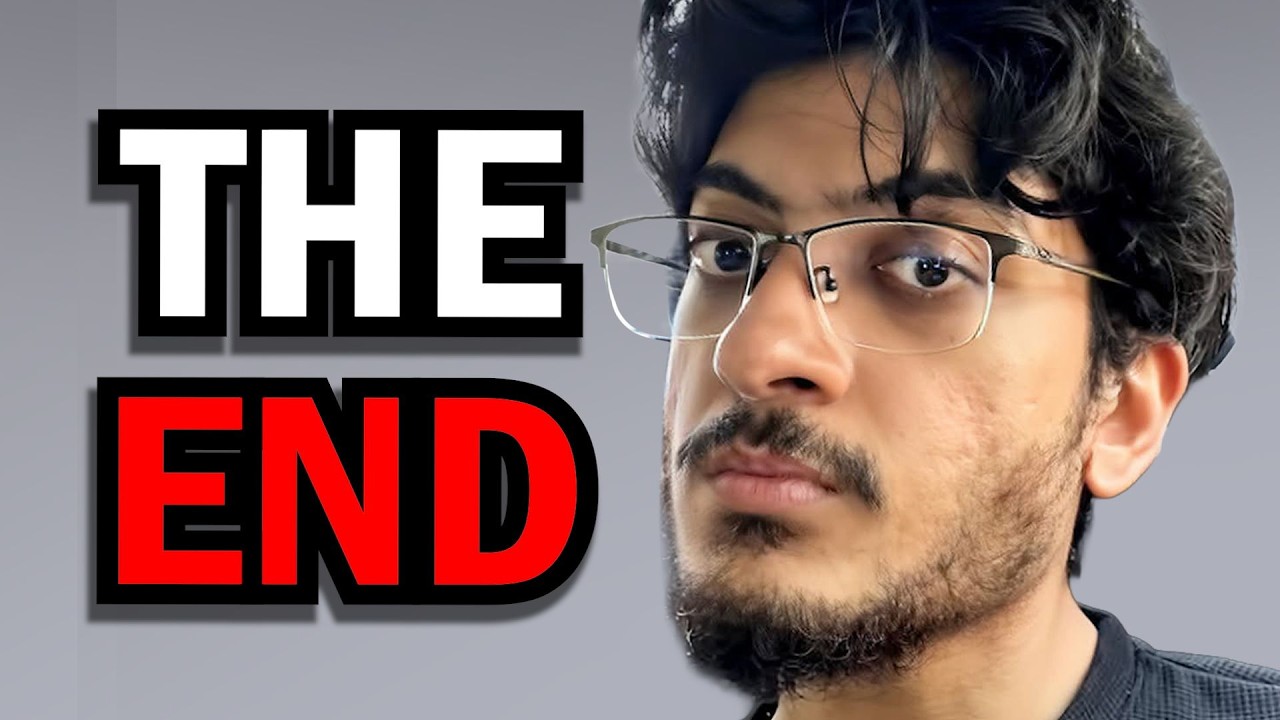
38:32
Hasan Just Ended My Career...
MorePegasus
Overview
This video discusses the ongoing online drama and legal disputes involving content creators, primarily focusing on Hassan and his interactions with other YouTubers like Ethan Klein, Moist Critical, Philip DeFranco, and Asmongold. It covers Hassan's lawsuit threats, accusations of slander, and his public feuds, alongside responses from content creators who criticize his behavior and perceived hypocrisy. The video also touches on the nuances of fair use in copyright law and the broader implications for online content creation.
How was this?
Save this permanently with flashcards, quizzes, and AI chat
Chapters
- Denims (Hassan) has a tentative victory in her fair use lawsuit against Ethan Klein, with the court currently ruling in her favor.
- A tentative ruling is significant as it's rarely overturned, though a final judgment is still pending.
- Denims calls out other creators, specifically Moist Critical and Philip DeFranco, for not covering her lawsuit win.
- She implies her content and theirs are similar and criticizes perceived cowardice for not taking her side.
- Despite the tentative win, the legal battle isn't entirely over, with potential for appeals and other ongoing cases.
This chapter explains the current status of a significant copyright lawsuit, highlighting the importance of fair use and the potential impact on content creators who rely on transformative use of existing material.
Denims expressing disappointment with Philip DeFranco and Moist Critical for not reporting on her lawsuit win, stating they would have covered it if Ethan Klein were the one being sued.
- Hassan responds to a video criticizing his lawsuit threats by watching clips from fan accounts and claiming victory.
- He falsely implies it's the first time he's acknowledged the critic and accuses them of not living in the 'real world'.
- Hassan compares his situation to other legal cases (like Techone's) and threatens further lawsuits for defamation regarding his past activities.
- He criticizes those who call him names, despite his own public discussions about similar topics.
- The video suggests Hassan's actions are a continuation of his bullying tactics against other creators.
This section illustrates how creators like Hassan use public platforms to deflect criticism, issue threats, and manipulate narratives, often by misrepresenting facts and attacking opponents personally.
Hassan watching a fan-made clip declaring victory and stating, 'This is the fin of his content. I gave him the ultimate notice.'
- Denims (Hassan) argues that other content creators ('slop tubers') should support her because a ruling against her would harm their transformative content.
- The video's narrator strongly rejects this comparison, stating their content is clearly transformative and doesn't involve malicious intent to steal views.
- The narrator emphasizes that not all copyright cases are the same and criticizes the generalization of legal situations.
- There's a sentiment that Denims is acting entitled and overestimating her own importance in the creator landscape.
- The video questions why creators like Moist Critical would dedicate a solo video to her case, especially when it's not yet definitively won.
This chapter delves into the core arguments surrounding fair use and transformative content, differentiating between legitimate commentary and potential copyright infringement, and highlighting the creator's perspective on their own work.
The narrator's statement: 'Please do not compare our content to yours. That should be a criminal statement right there. What she did is actually unacceptable.'
- Hassan claims he has defamation cases against Ethan Klein regarding a brothel trip and against others for calling him 'Diddy [expletive]'.
- He argues that online speech is becoming too comfortable with slander under the guise of free speech.
- The video counters that Hassan himself has made similar accusations and used nicknames, pointing out hypocrisy.
- Hassan's threats to sue are contrasted with his own history of controversial statements and actions.
- The video questions Hassan's ability to enforce legal threats, especially given his bans from countries like the UK.
This section examines the legal and ethical boundaries of online speech, exploring accusations of defamation and slander, and questioning the credibility of those who threaten legal action while engaging in similar behaviors.
Hassan stating, 'I have his ass dead to rights. I have his ass dead to rights. There is a literal article that he read about the [expletive] brothel that I went to in 2010...'
- Hassan criticizes Asmongold's appearance, specifically his plans for a hair transplant and his clothing choices.
- The video suggests Hassan is acting like a high school bully by focusing on personal attacks.
- Asmongold is portrayed as questioning Hassan's intelligence and suggesting he might be paid by Republicans to harm the progressive movement.
- The video argues that Hassan's extreme political takes and childish comparisons alienate potential supporters and are self-destructive.
- There's a recurring theme of Hassan projecting his own insecurities onto others.
This chapter highlights the intersection of online personalities, political commentary, and personal attacks, demonstrating how disagreements can devolve into ad hominem arguments and strategic political positioning.
Asmongold questioning if Hassan is being paid by Republicans because his actions 'has done more damage to the progressive movement than any right-winger ever could have.'
- The video suggests Hassan's controversial political statements are detrimental to the left, acting as a 'Trojan horse' that alienates voters.
- His narcissism and focus on personal issues are seen as hindering collective progress, akin to disruptive activist groups.
- Hassan's actions are described as 'organically regarded' rather than a calculated supervillain strategy.
- The video touches on Hassan's feuds with other streamers like Destiny, criticizing their political engagement and past scandals.
- There's speculation about whether Hassan's UK ban has impacted his relationships with other streamers.
This section analyzes the broader impact of online personalities on political discourse and the creator community, exploring how individual actions and controversial opinions can shape public perception and influence political movements.
The comparison of Hassan's political approach to 'just stop oil' activists who vandalize art, making their cause look unreasonable.
- The narrator defends their 'Legendary Series' as always being varied, not solely focused on Hassan.
- They dismiss claims that their content is solely dependent on Hassan, pointing to past success on other channels.
- The video suggests Hassan and his fans operate in an echo chamber, misinterpreting clips and ignoring context.
- The narrator expresses a desire for more variety in their content for personal enjoyment, not out of fear of lawsuits.
- The video concludes by highlighting Singapore as a desirable location, contrasting it with perceived issues in the US and Hassan's perceived inability to visit due to bans and legal issues.
This chapter clarifies the creator's intent behind their content and addresses accusations of obsession, while also offering a personal perspective on the creator ecosystem and the appeal of different online environments.
The narrator explaining their decision to create more variety videos: 'Not because I'm going to get sued. He's not winning that. But just for my own enjoyment.'
Key takeaways
- Fair use in copyright law is complex and often debated, especially for creators who transform existing content.
- Online creators often engage in personal attacks and legal threats, blurring the lines between public discourse and harassment.
- Accusations of hypocrisy are common in creator disputes, with individuals being criticized for actions they condemn in others.
- The 'real world' consequences for online actions, such as country bans and legal judgments, can significantly impact a creator's reach and credibility.
- Creator disputes can be fueled by perceived slights, calls for solidarity, and the desire for attention within specific online communities.
- Generalizing legal situations across different contexts is a flawed argument often used in online debates.
- The motivations behind content creation can range from genuine commentary to strategic engagement with ongoing drama for views.
- Personal insecurities and narcissism can heavily influence how creators interact with criticism and engage in public disputes.
Key terms
Fair UseCopyright LawsuitDefamationSlanderTransformative ContentContent NukeLawsuit ThreatCreator EcosystemAd HominemEcho Chamber
Test your understanding
- What is the significance of a 'tentative ruling' in a legal case, and why might it not be the final word?
- How does the video differentiate between the content of Denims (Hassan) and the content of creators like the narrator regarding fair use?
- What are the main criticisms leveled against Hassan by other creators in this video, and how do they relate to his own past actions?
- Why do some creators feel Hassan's political commentary is detrimental to the progressive movement?
- How does the video suggest that online disputes can be influenced by personal insecurities and a desire for attention?