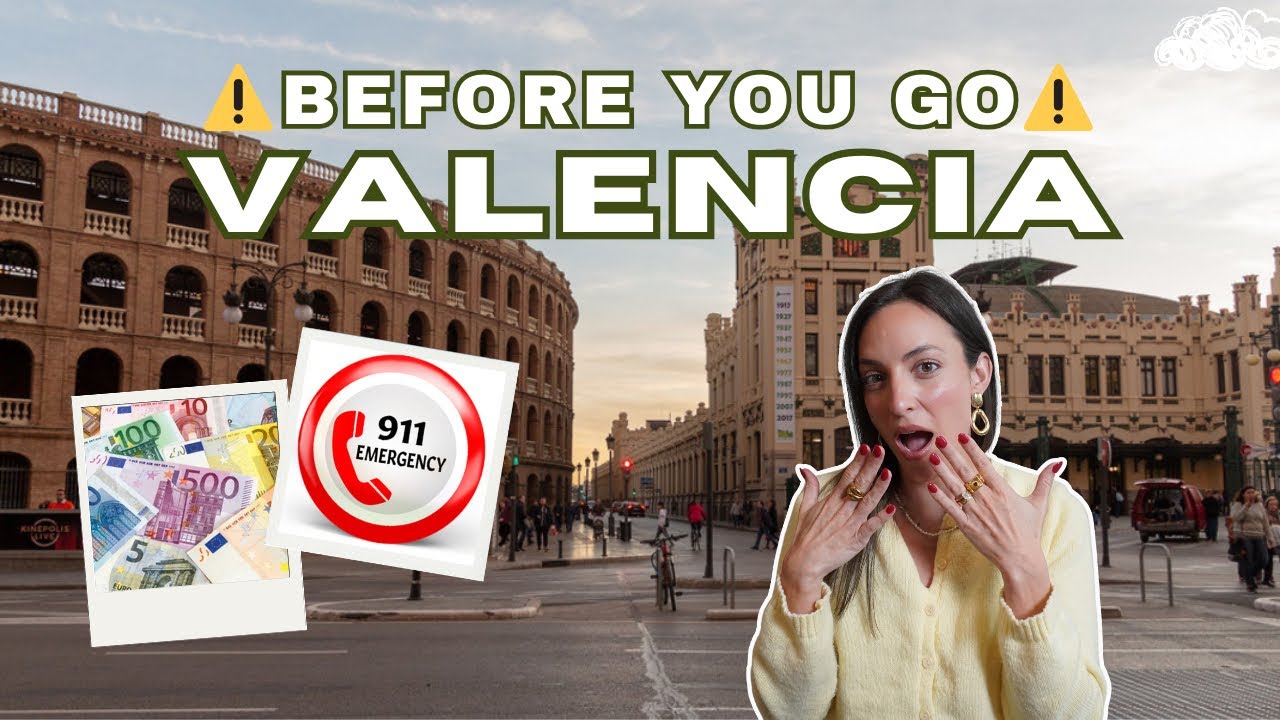
I Lived in Valencia My Whole Life—Here's What Most Tourists Get Wrong
Ana Gildersleeve
Overview
This video provides a comprehensive guide for travelers visiting Valencia, Spain, focusing on practical advice beyond typical tourist information. It covers essential aspects like choosing the right neighborhood to stay in, understanding the local climate and packing accordingly, navigating transportation from the airport and within the city, and where to shop for necessities. The guide also delves into Valencia's culinary scene, particularly paella, and its vibrant nightlife. Finally, it touches upon financial matters, major holidays, and emergency contact information, aiming to equip viewers with the knowledge to experience Valencia like a local and ensure a smooth, enjoyable trip.
Save this permanently with flashcards, quizzes, and AI chat
Chapters
- Valencia offers diverse neighborhoods, each with a unique atmosphere and suitability for different traveler priorities.
- The Historical City Center (Ciutat Vella) is ideal for those wanting to be close to 2,000 years of history, walkable attractions, and charming old streets.
- Ruzafa is a trendy, vibrant area known for its bustling restaurant and bar scene, unique boutiques, and artistic flair.
- The City of Arts and Sciences area offers a modern, cultural experience but is located between the beach and the historical center, making it less convenient for accessing either.
- The Port and Marina area is perfect for those interested in nautical activities, cycling, and walking along the waterfront.
- Accommodation options range from Airbnbs and hotels to budget-friendly hostels, catering to various needs and budgets.
- When booking accommodations, consider your priorities: proximity to the beach, historical sites, or specific amenities.
- Valencia enjoys a mild Mediterranean climate year-round, with warm temperatures, but packing layers is advisable for cooler evenings or transitional seasons.
- Summer is hot and dry, requiring light clothing, while spring and fall are pleasant with cooler nights, necessitating cardigans or light jackets.
- Winter is mild and can be a bit cloudy, but rarely very cold, so a light coat and sweaters are sufficient.
- Valencia Airport (Manises) is conveniently located 8 km from the city center and has a single, easy-to-navigate building with two terminals.
- Transportation from the airport includes affordable buses (Line 150), the metro (Line 3), and taxis/ride-sharing services like Cabify.
- Within the city, the public transport system (EMT buses and metro) is efficient, reliable, and affordable, with options for single tickets, multi-ride cards, and tourist passes.
- Buses are the cheapest option, running both day and night routes, while the metro connects various parts of the city and surrounding areas.
- For exploring at leisure, Valencia offers an extensive network of cycle paths, with bike and scooter rentals readily available, including the public Valenbisi service.
- Valencia offers various shopping experiences, from popular shopping centers and department stores to local markets.
- For clothing and general goods, El Corte Inglés is a major department store, and supermarkets like Mercadona and Consum also offer affordable fashion items.
- Toiletries and skincare products can be found at grocery stores, but Spanish pharmacies offer a wider selection of high-quality skincare.
- It's helpful to have a translation guide or app if you anticipate difficulties finding specific items in local shops.
- Supermarkets are convenient for purchasing everyday essentials, including toiletries and basic skincare.
- Paella, originating in Valencia, is a must-try dish, with the traditional 'Paella Valenciana' featuring rabbit and chicken, not seafood.
- Other paella variations include seafood (paella de marisco), mixed (meat and seafood), and black paella (arroz negro) made with squid ink.
- Locals typically eat paella for lunch, not dinner, viewing it as a midday meal.
- Valencia's nightlife is vibrant, with options ranging from intimate bars in El Carmen to large nightclubs in the Marina and trendy venues in Ruzafa.
- Nightclubs often open late and stay open until the early morning hours, catering to a late-night party culture.
- Spain uses the Euro (€) as its currency; ATMs are widely available, but be aware of potential transaction fees.
- Notify your bank about your travel dates to prevent your cards from being flagged for suspicious activity.
- Be aware of major holidays and festivals, such as Las Fallas in March, to avoid encountering closed businesses or to participate in local celebrations.
- The universal emergency number in Spain and across Europe is 112, which connects to police, ambulance, and fire services.
- Saving emergency contact numbers in your phone is a crucial safety precaution.
Key takeaways
- Strategic neighborhood selection is key to tailoring your Valencia experience to your interests, whether historical exploration, beach access, or vibrant nightlife.
- Packing light layers is essential for enjoying Valencia's pleasant year-round climate, adapting to temperature shifts between day and night.
- Valencia's public transportation is efficient and affordable, making it easy to navigate the city and its surroundings without a car.
- Embrace local customs, such as eating paella for lunch, to gain a more authentic cultural experience.
- Proactive financial planning, including notifying your bank and understanding currency, prevents travel disruptions.
- Familiarize yourself with the 112 emergency number for quick access to help in any situation.
- While many tourist attractions are well-known, exploring neighborhoods like Ruzafa offers a glimpse into Valencia's trendy, local scene.
Key terms
Test your understanding
- What are the main characteristics of the Ruzafa neighborhood, and why might a traveler choose to stay there?
- How does Valencia's climate influence packing recommendations throughout the year?
- What are the primary public transportation options from Valencia Airport to the city center, and what are their relative costs and convenience?
- Why is it important to notify your bank before traveling to Valencia, and what is the currency used in Spain?
- What is the significance of eating paella for lunch in Valencia, and what are the key differences between Paella Valenciana and other variations?