Strength in Weakness
Victory Calvary Chapel
Overview
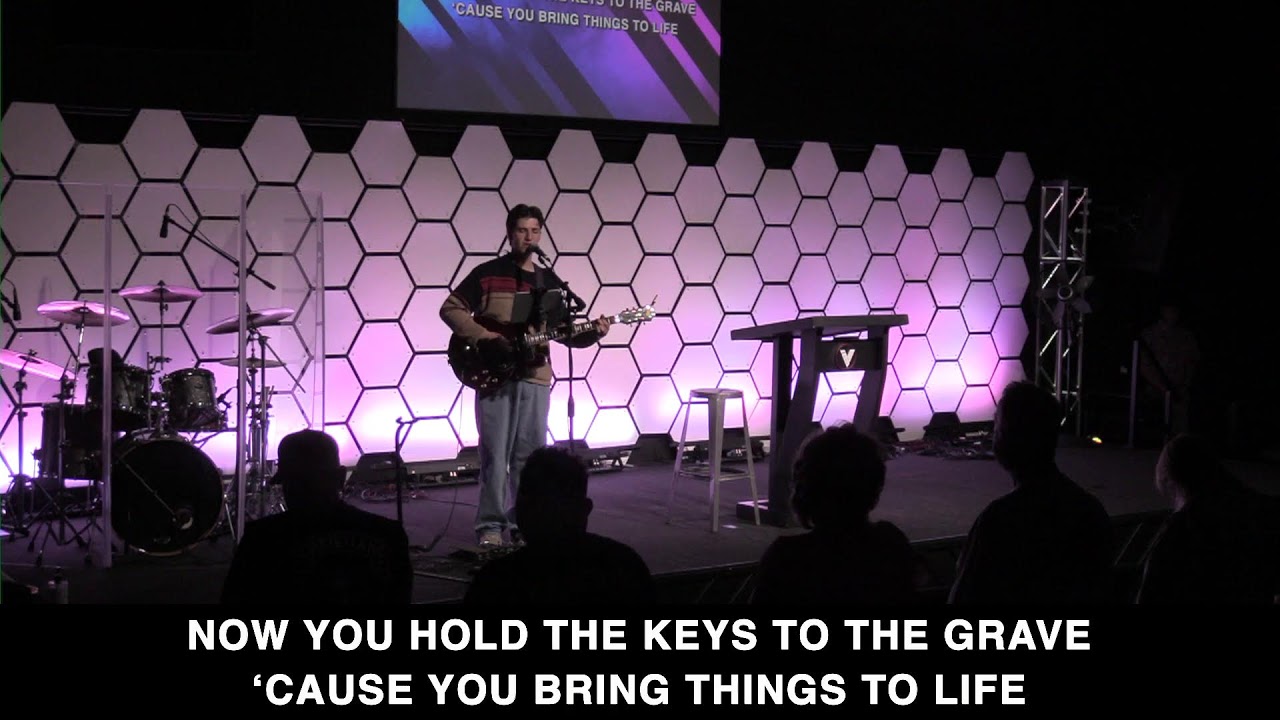
This video explores the concept of "strength in weakness" through a sermon and worship. It emphasizes that true strength is found not in personal ability or perfection, but in acknowledging and embracing one's weaknesses, allowing God's power to work through them. The message draws heavily from the Apostle Paul's writings in 2 Corinthians, highlighting his "thorn in the flesh" and God's response that His grace is sufficient. The sermon encourages vulnerability and reliance on God, contrasting societal pressures to hide weaknesses with the biblical call to boast in them for Christ's glory. Worship segments reinforce themes of God's love, sacrifice, and redemptive power.
Save this permanently with flashcards, quizzes, and AI chat
Chapters
- Encountering Christ brings profound internal and external change.
- This transformation is described as being 'washed from the inside out'.
- The sacrifice of Jesus' blood is presented as the sole means of purification and redemption.
- True faith is not about performance or earning acceptance, but a freely received gift.
- Societal norms and job interviews often pressure individuals to highlight strengths and hide weaknesses.
- A pastor shares a personal interview experience where the question about weaknesses was pivotal.
- One candidate claimed to have no weaknesses, while the pastor openly discussed his.
- The pastor was hired, suggesting that acknowledging weaknesses can be a strength in itself.
- The Apostle Paul, despite profound spiritual revelations, experienced a 'thorn in the flesh' to prevent pride.
- This affliction, described as a messenger of Satan, was a source of great suffering.
- Paul pleaded with God three times to remove it, but God's response was, 'My grace is sufficient for you.'
- God's power is perfected in weakness, meaning our limitations allow His strength to be displayed.
- True strength comes from acknowledging our inherent human weakness and dependence on God.
- Boasting in weaknesses—insults, hardships, persecutions, calamities—allows Christ's power to rest upon us.
- Afflictions and pain have a purpose: to draw us closer to God and inspire others.
- God uses our imperfections and flaws to display His power and glory.
- We are insufficient on our own; God's grace makes us capable.
- The purpose of affliction is not just personal endurance but also the inspiration of others.
- Vulnerability and honesty about our weaknesses allow God's power to work through us.
- Worship and prayer are crucial for surrendering our struggles and receiving God's strength.
Key takeaways
- True spiritual strength is found in acknowledging and embracing personal weaknesses, not in pretending to be perfect.
- God's power is most evident and effective when we are at our weakest.
- The Apostle Paul's experience with his 'thorn in the flesh' demonstrates that even profound spiritual experiences are accompanied by struggles that serve a divine purpose.
- God's grace is sufficient to sustain us through any trial, and His power is perfected in our human limitations.
- Sharing our vulnerabilities can lead to deeper connection with God and inspire others facing similar challenges.
- Our afflictions and pains are not solely for ourselves but can serve as a source of inspiration and encouragement for the wider community of faith.
- Relying on God's grace, rather than our own perceived abilities, is the foundation for enduring strength and effective service.
Key terms
Test your understanding
- How does the concept of 'strength in weakness' challenge common societal views on success and capability?
- What was Paul's 'thorn in the flesh,' and how did God's response to his plea illustrate the principle of God's power being perfected in weakness?
- In what ways can embracing personal weaknesses lead to greater spiritual strength and effectiveness?
- How can the struggles and afflictions we experience be a source of inspiration for others within the faith community?
- What is the significance of God's grace being described as 'sufficient' in the context of human weakness?