36:10
Safety Video by American Chemical Society (1991)
Professor Heath's Chemistry Channel
Overview
This video, produced by the American Chemical Society in 1991, emphasizes the critical importance of safety in chemistry laboratories. It details essential procedures for handling chemicals, using equipment like Bunsen burners and centrifuges, and responding to emergencies such as spills, fires, and personal injuries. The core message is that by adhering to strict safety protocols, paying attention, and using common sense, students can work confidently and safely, making the lab a rewarding learning environment.
How was this?
Save this permanently with flashcards, quizzes, and AI chat
Chapters
- Always use small, manageable containers for chemicals to prevent spills.
- Mix chemicals only when instructed by a teacher and after reading instructions thoroughly.
- Read and double-check chemical labels for correct identity, concentration, and hazards.
- When diluting concentrated acids like sulfuric or phosphoric acid, always add the acid slowly to water, never the other way around (remember: AA - Add Acid).
Proper chemical handling prevents accidental mixing, uncontrolled reactions, and direct contact with hazardous substances, which are common causes of lab accidents.
Adding concentrated sulfuric acid to water by pouring the acid down a stirring rod into the water, as opposed to adding water to acid, which can cause dangerous splashing.
- Use a work tray to contain potential spills.
- Hold bottles with your hand over the label to prevent drips from obscuring it or getting on your hands, and replace stoppers immediately.
- Never taste, touch directly, or smell chemicals directly from the bottle; use a wafting technique if permitted.
- Work with volatile chemicals under a fume hood.
- Do not pour unused chemicals back into reagent bottles to prevent contamination; dispose of excess in designated waste containers.
These practices ensure chemical purity, prevent accidental ingestion or inhalation of harmful substances, and protect both the user and the integrity of the chemicals.
Using a bulb or pipetter to draw chemicals instead of using your mouth, thus avoiding direct contact and ensuring accurate measurement.
- Never heat volatile organic liquids with a Bunsen burner; use a heating mantle or steam bath in a fume hood.
- Inspect gas hoses for cracks and ensure secure connections before using a Bunsen burner.
- Adjust the Bunsen burner flame to a blue color with a distinct inner cone, indicating the hottest part.
- Turn off the gas immediately if the flame sputters, flares, goes out, or if you smell gas.
- Check glassware for cracks or stars before heating, as they can break under thermal stress.
Improper use of heat sources and damaged glassware can lead to fires, explosions, and severe burns or cuts.
Heating a test tube directly in a flame by holding it at an angle and moving it back and forth to distribute heat evenly, while aiming it away from yourself and others.
- Do not shake laboratory thermometers; they are designed to register temperature changes freely.
- Use thermometers only within their specified temperature range to prevent breakage.
- When finished, lay thermometers on a wire screen or towel away from the edge of the bench to prevent rolling off.
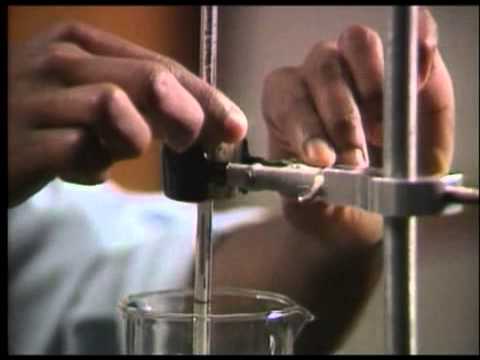
- Use a glass inserter lubricated with glycerin to safely insert or remove glass tubing from stoppers.
- If an inserter is not available, lubricate the tubing and wear leather gloves for protection.
These procedures prevent accidental breakage of thermometers and glassware, which can release hazardous liquids (like mercury) or cause cuts.
Using a glass inserter with a Teflon tip dipped in glycerin to push through a stopper, then sliding the glass tubing through the hollow shaft of the inserter.
- Balance a centrifuge by placing equally filled test tubes opposite each other.
- Never attempt to stop a spinning centrifuge by hand; wait for it to stop on its own.
- Wear appropriate clothing: sturdy, natural fabrics (cotton/wool), close-fitting sleeves, long pants/skirts, and closed-toe leather shoes.
- Tie up long hair, remove jewelry, and do not wear contact lenses in the lab.
- Always wear goggles with side shields and use appropriate gloves for handling reactive chemicals.
Proper balancing prevents mechanical failure, and correct personal protective equipment guards against a wide range of chemical and physical hazards.
Wearing sturdy cotton pants and a lab apron over older clothes, along with closed leather shoes and goggles with side shields, to protect against splashes and potential impacts.
- No fooling around, running, pushing, or wrestling in the lab.
- Keep aisles clear of personal belongings to prevent tripping hazards.
- Do not eat, drink, or apply makeup in the laboratory.
- Report all spills and accidents to your teacher immediately.
- Know the location and use of emergency equipment like eyewash stations, safety showers, and fire extinguishers.
Safe behavior and preparedness for emergencies are crucial because accidents can happen even with precautions, and prompt, correct action can minimize injury.
If a chemical splashes into your eyes, immediately use an eyewash fountain, holding your eyes open and rolling them to ensure thorough rinsing for at least 15 minutes.
Key takeaways
- Safety in the chemistry lab is paramount and requires constant vigilance and adherence to established procedures.
- Understanding the 'why' behind safety rules, such as 'Add Acid to Water,' is crucial for preventing dangerous reactions.
- Proper personal protective equipment (PPE) is non-negotiable and includes specific clothing, eye protection, and gloves.
- Never assume equipment is safe; always inspect it for damage (e.g., cracked glassware, faulty hoses) before use.
- Contamination prevention is key, both for maintaining chemical purity and for personal safety (e.g., no eating/drinking in the lab).
- In case of an accident, immediate and correct response, guided by your teacher, can significantly reduce harm.
- A safe lab environment allows for confident exploration and learning, making the study of chemistry more rewarding.
Key terms
Fume HoodVolatile ChemicalsBunsen BurnerHeating MantleGlasswareCentrifugePersonal Protective Equipment (PPE)Eyewash StationSafety ShowerReagent Bottle
Test your understanding
- What is the correct procedure for diluting concentrated sulfuric acid, and why is it important?
- How can you safely handle volatile chemicals in a laboratory setting?
- What are the key safety checks to perform before using a Bunsen burner?
- Why is it important to balance a centrifuge before operation, and what are the consequences of not doing so?
- Describe the essential personal protective equipment required for a chemistry lab and explain the reason for each item.