44:03
America The Story of Us: Bust
Jasim Hussein
Overview
This video chronicles the devastating impact of the Great Depression on America, beginning with the speculative boom of the 1920s and the subsequent stock market crash. It details the widespread poverty, bank failures, and environmental catastrophe of the Dust Bowl. The narrative then shifts to the resilience of the American spirit, exemplified by monumental public works projects like the Hoover Dam and Mount Rushmore, and the symbolic victory of Joe Louis over Max Schmeling, which boosted national morale. The video concludes by foreshadowing America's emergence as a global superpower following World War II.
How was this?
Save this permanently with flashcards, quizzes, and AI chat
Chapters
- The 1920s saw unprecedented economic growth and consumerism, fueled by credit and speculation.
- An overvalued stock market, with stocks priced far beyond their actual worth, created a massive economic bubble.
- The stock market crash of October 1929 wiped out fortunes and signaled the beginning of a severe economic downturn.
- Despite the crash, the majority of Americans were not invested in the stock market, but the ensuing bank failures had a widespread impact.
Understanding the speculative excesses of the 1920s is crucial to grasping the underlying causes of the Great Depression and the fragility of unchecked economic expansion.
The Bank of the United States' collapse in December 1930, triggered by a newspaper article questioning its stability, led to a run on the bank and a loss of confidence in the entire banking system.
- Following the crash, bank failures became rampant, with hundreds closing daily, leaving many without access to their savings.
- Unemployment soared, reaching 12 million by 1932, leading to widespread home foreclosures and homelessness.
- Millions of Americans faced destitution, with no source of income and struggling to survive.
- Unlike today, the federal government did not initially provide bailouts for the banks, exacerbating the crisis.
This period highlights the devastating human cost of economic collapse and the lack of a social safety net, underscoring the importance of economic stability and government intervention.
Every day, 1,000 homes were repossessed, and 200,000 vagrant children wandered the country, illustrating the extreme poverty and social disruption.
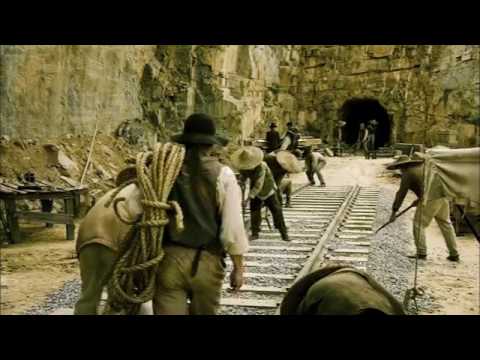
- Massive public works projects, like the Hoover Dam, were initiated to combat unemployment and stimulate the economy.
- The Hoover Dam, a colossal engineering feat, aimed to harness the power of the Colorado River for hydroelectricity and water management.
- Construction involved immense challenges, including diverting the river, drilling through rock, and managing extreme temperatures and dangerous working conditions.
- The project pushed the boundaries of engineering and labor, demonstrating American ingenuity and a willingness to tackle monumental tasks.
The Hoover Dam symbolizes the nation's capacity for large-scale problem-solving and its ability to transform the environment, providing jobs and essential resources during a time of crisis.
To accelerate construction, Frank Crow implemented innovative techniques like gigantic mobile drilling rigs and a sophisticated system of cable-delivered concrete buckets, completing the dam two years ahead of schedule.
- Decades of intensive farming had depleted the topsoil of the Great Plains, making it vulnerable to erosion.
- A severe drought combined with high winds created massive dust storms that swept across the country, burying homes and farms.
- These storms caused widespread respiratory illnesses, known as 'dust pneumonia,' and led to a mass exodus from the affected regions.
- The Dust Bowl represented an environmental disaster born from unsustainable agricultural practices and natural forces.
The Dust Bowl serves as a stark warning about the consequences of environmental mismanagement and the devastating impact of natural disasters on human populations.
On April 14, 1935, a colossal dust storm, 200 miles wide and traveling at 65 mph, engulfed Lamar, Colorado, plunging the area into darkness and causing severe respiratory distress.
- Radio became a vital source of information and connection for Americans, linking isolated communities and broadcasting national events.
- Mount Rushmore was carved out of solid rock as a monumental symbol of American democracy and endurance.
- The construction of Mount Rushmore, using dynamite and skilled labor, was a testament to American ambition and a vision for the future.
- Despite public works, economic recovery remained slow, with widespread unemployment persisting.
These national symbols and the widespread adoption of radio fostered a sense of unity and pride, helping Americans cope with hardship and look towards a more hopeful future.
Mount Rushmore, with its colossal presidential figures sculpted from granite, was designed to withstand erosion for 30,000 years, representing America's enduring legacy.
- The boxing matches between Joe Louis, an African American, and Max Schmeling, a German, became highly politicized symbolic contests.
- Schmeling's initial victory in 1936 was seen as a triumph for Nazi Germany and a blow to American morale.
- The rematch in 1938, with rising global tensions, was framed as a battle between democracy and totalitarianism.
- Joe Louis's swift knockout victory in the rematch became a powerful symbol of American resilience and a much-needed morale boost for the nation.
These fights transcended sports, serving as a powerful psychological victory for America against the rising threat of Nazism and demonstrating the nation's capacity to overcome adversity.
In the 1938 rematch, Joe Louis defeated Max Schmeling in the first round, a decisive victory that resonated globally and restored American confidence.
Key takeaways
- Economic booms built on speculation and credit are inherently unstable and can lead to devastating crashes.
- The Great Depression exposed the vulnerability of the banking system and the severe consequences of widespread unemployment.
- Large-scale public works projects can serve as vital tools for economic recovery and national morale during times of crisis.
- Environmental degradation, combined with natural forces like drought, can lead to catastrophic ecological and social consequences.
- National symbols and moments of collective triumph can foster resilience and a sense of shared identity in the face of adversity.
- The struggle against economic hardship and external threats can forge a stronger national spirit and prepare a country for future challenges.
- Technological advancements, like radio, play a crucial role in connecting a nation and disseminating information during critical periods.
Key terms
Great DepressionStock Market Crash of 1929Bank RunsUnemploymentHoover DamDust BowlDust StormsDust PneumoniaNew DealMount RushmoreJoe LouisMax SchmelingAmerican Spirit
Test your understanding
- What were the primary factors that led to the stock market crash of 1929?
- How did the collapse of banks during the Great Depression affect the average American citizen?
- What were the main engineering challenges faced during the construction of the Hoover Dam, and how were they overcome?
- What environmental factors contributed to the Dust Bowl, and what were its long-term consequences?
- Why did the boxing matches between Joe Louis and Max Schmeling hold such significant symbolic importance for America during the 1930s?