28:06
Tariffs, Fertilizer, and Diesel — Where We Actually Stand
Millennial Farmer
Overview
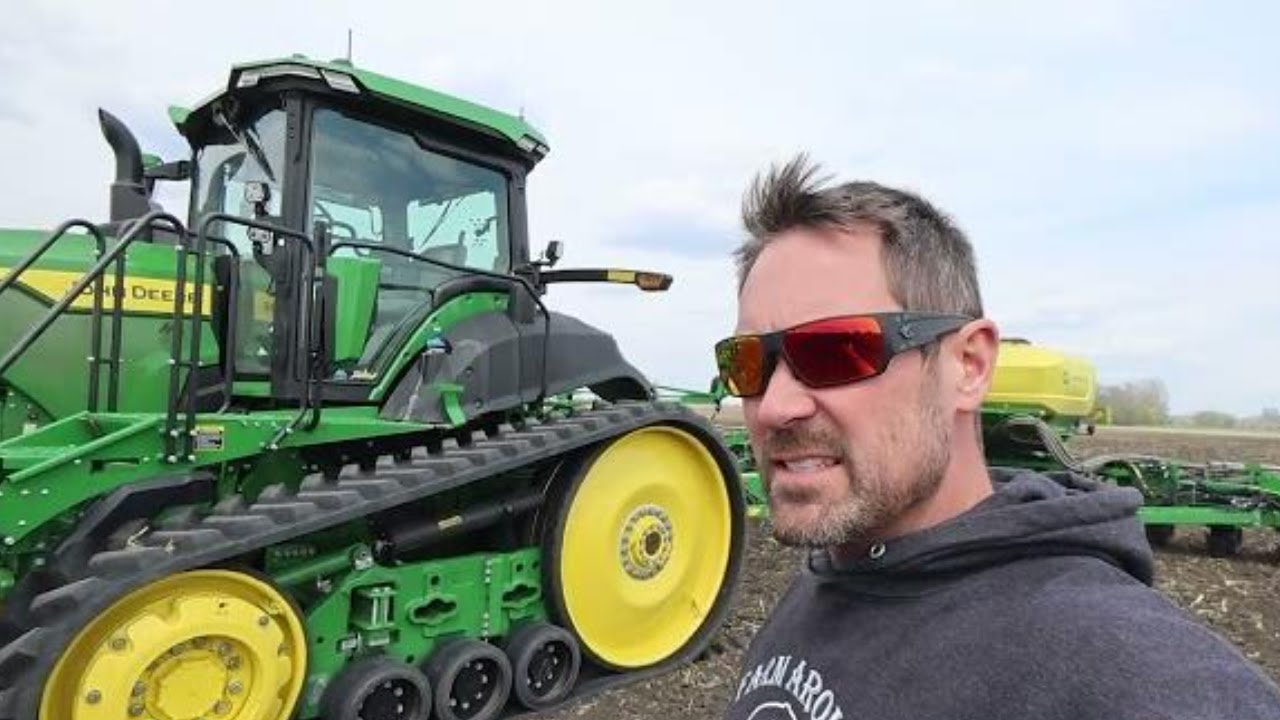
This video details a day in the life of a farmer, showcasing the practical application of various machinery and the challenges faced in modern agriculture. It covers essential tasks like calibrating equipment, preparing fields for planting, and managing machinery issues such as flat tires. The farmer also discusses the significant impact of geopolitical events, specifically trade tariffs with China and conflicts affecting fertilizer and diesel prices, on farming operations and profitability. The video emphasizes the importance of strategic planning, such as pre-purchasing supplies, to mitigate these external economic pressures.
How was this?
Save this permanently with flashcards, quizzes, and AI chat
Chapters
- Calibrating the terrain compensation module (TCM) on the satellite receiver is crucial for accurate planting, especially on uneven terrain.
- Preparing machinery like rollers and planters involves tasks such as greasing, checking tires, and unfolding complex equipment.
- Ensuring equipment is ready and functional before moving to distant fields prevents delays and maximizes operational efficiency.
Proper equipment calibration and preparation are foundational for precise farming operations, directly impacting crop yield and resource efficiency.
Calibrating the TCM by spinning the receiver 180 degrees to ensure the system accurately accounts for terrain variations.
- Different tasks are assigned to team members, including field cultivation, rock picking, and planting, coordinated across various fields.
- Unexpected issues like incorrect fertilizer application or flat tires on support vehicles (Ranger) can disrupt the planned workflow.
- Addressing field conditions, such as wet spots or the presence of large rocks, requires adaptive strategies and sometimes manual intervention.
Farming involves constant adaptation to unforeseen challenges and variable field conditions, requiring flexibility and problem-solving skills.
Dealing with a flat tire on the Ranger, necessitating a switch of vehicles and a temporary halt in operations.
- Achieving optimal seed placement requires careful management of planter settings, including downforce and closing wheel pressure.
- Technology like hydraulic downforce automation helps maintain consistent seed-to-soil contact across varying soil types and conditions.
- The visible actions of planting are only a small part of farming; significant effort goes into unseen management tasks.
Advanced technology and precise adjustments during planting are critical for maximizing germination rates and future crop health.
Monitoring the planter's gauge wheels, T-handles, and closing wheels to ensure proper seed depth and sidewall condition for good root development.
- Farms require robust security measures to protect valuable assets like grain, machinery, and tools, especially when the premises are unattended.
- Home security systems with multiple cameras and sensors can monitor various locations, including the house, shops, and remote cabins.
- These systems provide timely alerts for issues like open doors or water leaks, preventing potential damage and loss.
Securing farm property is essential for preventing theft and mitigating damage from environmental factors, safeguarding investments.
Using a Simply Safe system to detect a shop door left open in winter, preventing extreme cold from damaging stored items.
- Trade tariffs, particularly with China, affect soybean demand and pricing, although current market prices are influenced by multiple factors.
- Despite tariffs, soybean prices have seen some increase, potentially due to tight carry-out stocks expected before the next harvest.
- Quantifying the exact impact of tariffs is difficult, but they are acknowledged as a factor influencing the market.
Understanding the influence of international trade policies is crucial for farmers to navigate market fluctuations and make informed marketing decisions.
Observing that while China's reduced buying impacts demand, current soybean prices are somewhat supported by low overall inventory levels.
- Disruptions in global supply chains, like those affecting the Strait of Hormuz, significantly impact fertilizer prices and availability.
- Farmers who secured fertilizer and diesel supplies in advance (e.g., the previous summer) are better positioned to manage price increases.
- Rising costs for essential inputs like fertilizer and diesel can substantially increase operational expenses per acre.
Global events directly influence the cost and availability of critical farming inputs, necessitating strategic purchasing and risk management.
The farmer locked in fertilizer prices the previous summer, paying for it and having it stored, thus avoiding the much higher spring prices driven by supply issues.
- Proactive management, including early purchasing of supplies and strategic marketing of crops, is key to weathering economic challenges.
- Addressing persistent field issues, such as poor drainage or excessive rocks, requires ongoing investment and planning, sometimes involving specialized equipment like tile plows.
- The complexity of farming extends beyond fieldwork to include office management, financial planning, and navigating external economic factors.
Successful farming relies on a holistic approach that integrates daily operations with long-term financial and logistical planning.
Planning to use a tractor to move large rocks into a ditch because the dedicated rock removal service has not completed the job, highlighting the need for self-sufficiency.
Key takeaways
- Precision farming relies on accurate equipment calibration and continuous monitoring of machinery performance.
- Unforeseen operational issues, like equipment breakdowns or unexpected field conditions, are common and require adaptive problem-solving.
- Technological advancements in farming equipment enhance efficiency and precision but require skilled operation and maintenance.
- Farm security is a critical aspect of operations, protecting valuable assets from theft and environmental damage.
- Global geopolitical events and trade policies have tangible and significant impacts on agricultural commodity prices and input costs.
- Strategic financial planning, including early procurement of supplies and crop marketing, is vital for mitigating the financial risks associated with market volatility.
- Effective farm management involves balancing immediate operational needs with long-term strategic planning for infrastructure and resource acquisition.
Key terms
Terrain Compensation Module (TCM)Field CultivatorRock PickerDownforce AutomationSeed-to-Soil ContactHydraulic DownforceSimply SafeTrade TariffsStrait of HormuzFertilizerDieselCarry-out StocksTile Plow
Test your understanding
- Why is calibrating the Terrain Compensation Module (TCM) important for planting operations?
- How do geopolitical events like trade tariffs and conflicts in key regions affect the cost of farming inputs such as fertilizer and diesel?
- What strategies can farmers employ to mitigate the financial risks associated with fluctuating input costs and market prices?
- Describe the role of technology, such as downforce automation, in achieving precise seed placement and why it matters for crop yield.
- How does proactive farm management, including security and supply chain planning, contribute to the overall resilience of an agricultural operation?