58:20
Think Fast, Talk Smart: Communication Techniques
Stanford Graduate School of Business
Overview
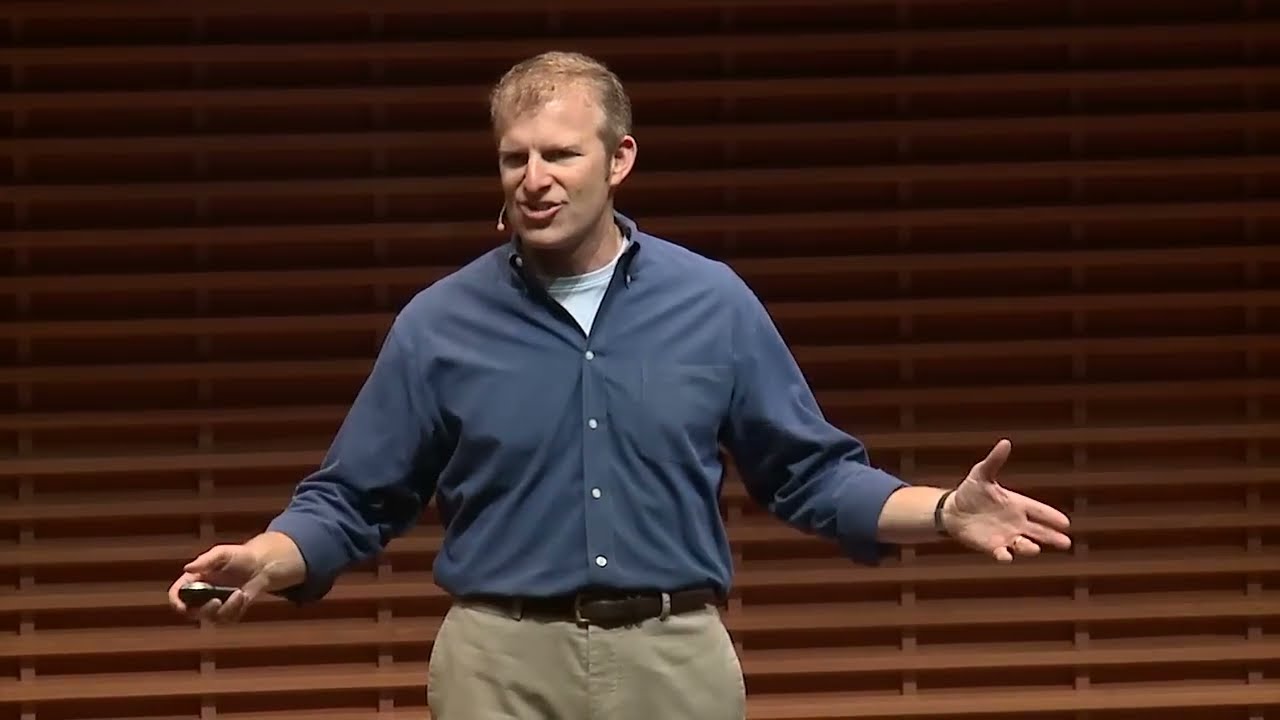
This video focuses on improving spontaneous speaking skills, emphasizing techniques to manage anxiety and deliver messages effectively in unplanned situations. It moves beyond planned presentations to address scenarios like cold calls, impromptu introductions, and Q&A sessions. The core message is that by managing internal anxieties, reframing situations as opportunities, actively listening, and utilizing clear structures, individuals can become more confident and compelling communicators in real-time. Practical exercises and relatable examples are used throughout to illustrate these concepts.
How was this?
Save this permanently with flashcards, quizzes, and AI chat
Chapters
- Many intelligent people miss obvious details (like the letter 'f') when performing a simple task under pressure.
- This mirrors the experience of spontaneous speaking, where small oversights can hinder effectiveness.
- Effective spontaneous speaking relies on mastering small, often overlooked, aspects of communication.
This exercise highlights how even capable individuals can falter in unexpected situations, setting the stage for understanding the common challenges in spontaneous speaking.
Counting the number of 'f's in a sentence, where most people miss the 'f' in 'of'.
- Public speaking anxiety is a common fear, but it can be managed rather than overcome.
- Anxiety can be beneficial, providing energy and focus, but it needs to be controlled to prevent spiraling.
- The goal is to make the audience comfortable so they can receive the message, which starts with the speaker managing their own anxiety.
Understanding and managing anxiety is the foundational step to effective communication, as it directly impacts the speaker's ability to connect with and influence the audience.
Instead of fighting anxious feelings, acknowledge them by saying 'This is me feeling nervous,' which can help prevent the anxiety from escalating.
- Shift the mindset from 'performing' to having a 'conversation' with the audience.
- Conversational language, using inclusive pronouns and direct address, fosters a more engaging interaction.
- Using questions, even rhetorical ones, immediately involves the audience and creates a dialogic feel.
Viewing speaking as a conversation reduces pressure and encourages more natural, authentic communication, making both the speaker and audience more comfortable.
Using phrases like 'This is important to you' instead of 'One must consider the ramifications'.
- Worrying about future outcomes increases nervousness; focusing on the present moment reduces anxiety.
- Physical activities or engaging mental tasks can help anchor you in the present.
- Warming up your voice and mind simultaneously through activities like tongue twisters keeps you focused.
Being present allows you to fully engage with the current interaction, rather than being distracted by potential future failures or successes, leading to more effective communication.
Saying the tongue twister 'I slit a sheet, a sheet I slit, and on that slitted sheet I sit' requires focus and prevents worrying about the audience.
- The biggest obstacle in spontaneous speaking is often the speaker's own desire for perfection.
- Resist the urge to 'get it right' or stockpile potential answers.
- Embrace the improv principle: 'Dare to be dull' – striving for greatness can be counterproductive.
Letting go of the need for perfection frees you to be more authentic and responsive, allowing your natural communication style to emerge.
The 'Shout the Wrong Name' game, where participants point to objects and call them by incorrect names, trains the brain to release the pressure of being right.
- View speaking situations not as challenges or threats, but as opportunities to connect, clarify, or share.
- This reframing shifts your internal state from defensive to open and collaborative.
- The improv principle 'Yes, and...' encourages embracing the situation and building upon it.
Seeing opportunities rather than threats leads to greater freedom in responding and a more positive, productive interaction.
The 'Exchange Imaginary Gifts' game, where partners give and receive gifts, and the giver must justify why they chose that gift, fostering a co-creative dynamic.
- Effective communication requires truly understanding the audience's needs and questions before responding.
- Resist the urge to jump ahead and formulate your answer while the other person is still speaking.
- Listening is an act of service to the audience, ensuring your response is relevant and helpful.
Deep listening ensures your response is targeted and addresses the actual need, rather than a perceived one, leading to more impactful communication.
The 'Spell Everything You Say' exercise forces participants to slow down, focus on each word, and listen intently to their partner.
- Structure enhances 'processing fluency,' making information easier for both the speaker and audience to understand and remember.
- Two key structures are Problem-Solution-Benefit (or Opportunity-Solution-Benefit) and What-So What-Now What.
- Having a structure reduces cognitive load, freeing up mental energy to focus on content and delivery.
Structure provides a roadmap for your message, making it more persuasive, memorable, and easier for your audience to follow, regardless of the situation.
Using the 'Problem-Solution-Benefit' structure to sell a Slinky, highlighting its problem-solving capabilities (e.g., entertainment, stress relief) and the benefits it offers.
Key takeaways
- Spontaneous speaking effectiveness hinges on managing internal anxiety and shifting mindset, not just on content.
- Reframe speaking situations as conversational opportunities rather than high-stakes performances.
- Actively practice being present-oriented to reduce the impact of future worries on your delivery.
- The principle 'Dare to be dull' encourages releasing the pressure of perfection to allow for more authentic communication.
- Viewing interactions as opportunities and actively listening are crucial for understanding and responding effectively.
- Utilizing established communication structures (like Problem-Solution-Benefit or What-So What-Now What) significantly improves clarity and audience comprehension.
- Consistent practice, even through simple games, builds the muscle memory for spontaneous speaking.
Key terms
Spontaneous speakingAnxiety managementMindful attentionReframingPresent orientationProcessing fluencyProblem-Solution-Benefit structureWhat-So What-Now What structureImprovisation
Test your understanding
- How can acknowledging anxiety, rather than trying to suppress it, help manage its effects during spontaneous speaking?
- What is the difference between viewing a speaking situation as a 'performance' versus a 'conversation,' and why does this distinction matter?
- Describe two distinct techniques for becoming more present-oriented before or during a spontaneous speaking engagement.
- How does the 'Shout the Wrong Name' game help speakers get out of their own way, and what is the underlying principle it teaches?
- Explain how using a structured approach like 'What-So What-Now What' can improve a speaker's effectiveness in spontaneous situations.