24:22
Was Majora's Mask 3D a Bad Remake? (N64 comparison and review)
Nerrel
Overview
This video critically analyzes the 3DS remake of Majora's Mask, comparing it to the original N64 version. It argues that while the remake aimed to modernize the game, many changes, particularly those that reduced difficulty and altered unique mechanics like Zora swimming and the save system, ultimately detracted from the original's challenging and distinct experience. The video suggests these changes were driven by a misunderstanding of the original's appeal, leading to a less unique and engaging game that sacrifices its legacy for accessibility.
How was this?
Save this permanently with flashcards, quizzes, and AI chat
Chapters
- Majora's Mask originated from a desire to reuse Ocarina of Time's assets, leading to a rushed development cycle.
- Despite the constraints, the unconventional circumstances fostered a bizarre and creative environment, resulting in a unique game.
- The original game's greatness stemmed from this rushed, experimental development, not in spite of it.
Understanding the original game's development context helps explain its unique qualities and why attempts to 'fix' it might be misguided.
Nintendo tapped into a 'bizarre, creative place' due to time constraints, allowing unconventional ideas to shape the game.
- Changes to Link's acceleration and momentum in MM3D negatively impact his interaction with the environment, such as lily pads.
- The original game's mechanics, like spin hopping, allowed for skillful traversal and player expression, which are lost in the remake.
- These changes transform previously engaging environmental puzzles into tedious obstacles, suggesting a misunderstanding of the original's design intent.
Subtle changes to core movement mechanics can fundamentally alter the player's relationship with the game world, diminishing its challenge and fun.
Link's slower acceleration in MM3D makes previously easy-to-reach lily pads require more deliberate repositioning, breaking the flow of traversal.
- The remake replaces the original's fast, agile Zora swimming with a slow, restricted version that consumes magic.
- This change renders the environment designed for Zora swimming, like the Great Bay, empty and boring.
- The remake fails to properly teach players how to use the original Zora swimming mechanics, making a new, challenging dungeon unfair.
Restricting or removing unique, skill-based mechanics like Zora swimming removes the core of what made certain areas engaging and memorable.
The original Zora swimming allowed for fast, dolphin-like jumps and tight turns, while the remake's version is slow, requires magic, and cannot perform these actions.
- The remake replaces the original's time-cycle-based saving with ubiquitous statues, removing the strategic planning and satisfaction of locking in progress.
- Boss fights, like Odolwa, are simplified with forced, rigid patterns and new weak points, removing the original's dynamic and flexible combat.
- These changes make the game less unique by adopting common mechanics found in other Zelda titles.
Changes to fundamental systems like saving and boss design can strip away the game's unique strategic depth and rewarding challenges.
The original Odolwa fight allowed players to use various attacks flexibly, while the remake forces a specific strategy of stunning him via a deku flower to hit a new eyeball weak point.
- Many challenges and skill-based segments in the remake are significantly easier, such as the Keeta chase and moving platforms.
- Remake changes, like the new reticle and improved Deku bubbles, further reduce difficulty, removing the need for player skill and problem-solving.
- Hints from aggressive Bombers and guided item usage (like ice arrows) remove the satisfaction of discovery and exploration inherent in the original.
Reducing difficulty and guiding players too heavily removes the sense of accomplishment derived from overcoming challenges through resourcefulness and exploration.
In the remake, sparkling lights guide the player to where ice arrows can freeze surfaces, removing the original's puzzle of figuring out how and where to use them.
- While some changes, like the Bomber's Notebook, are improvements, their implementation can be tedious (e.g., slow menus).
- New phases added to boss fights, like the Great Bay boss, can drag on due to awkward mechanics and persistent enemies.
- The Stone Tower Climb, a notorious difficulty spike in the original, remains largely unaddressed, highlighting a disconnect in development priorities.
Even well-intentioned changes can become frustrating if implemented poorly, and neglecting significant player pain points while adding minor features shows a lack of focus.
The Stone Tower Climb in the original required repetitive use of the Elegy of Emptiness song and item swapping, a tedious process that the remake did little to improve.
- While visually impressive, the remake sanitizes some of the original's gritty atmosphere and details, making Clock Town too clean.
- The soundtrack is often muffled and suffers from excessive reverb, diminishing its impact.
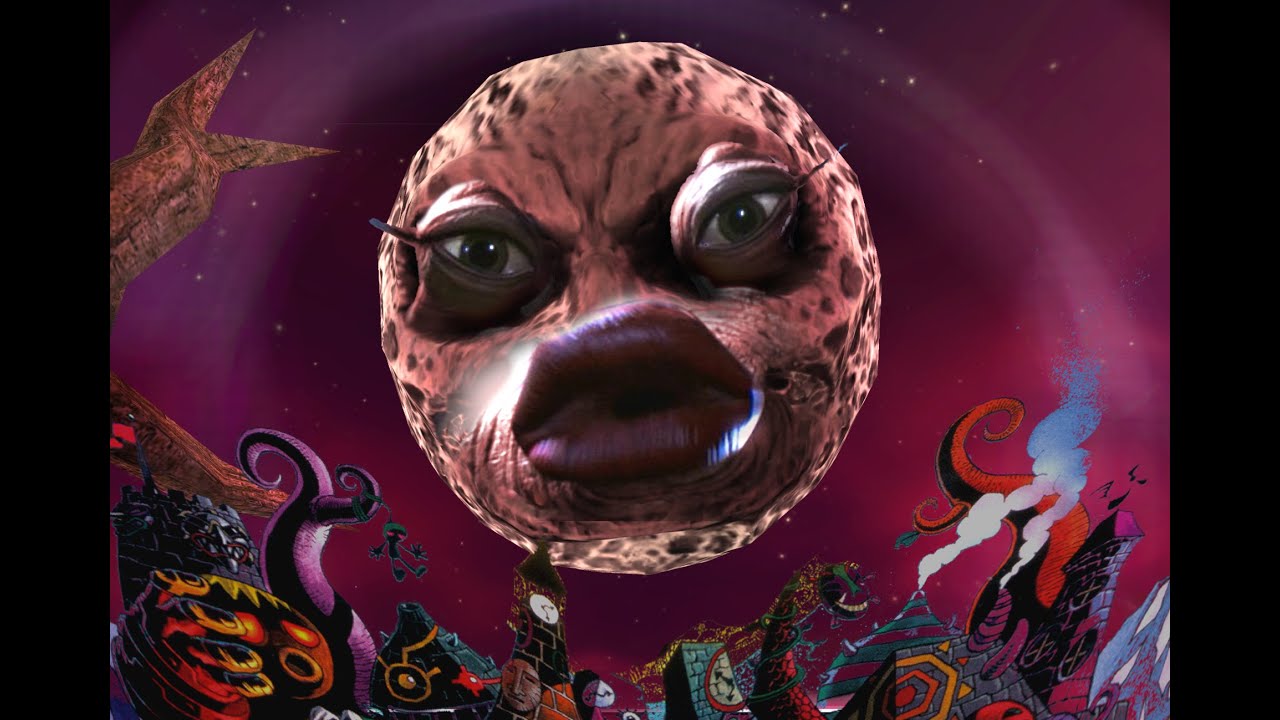
- The remake's over-brightening and simplified Moon face reduce the original's unsettling and complex atmosphere.
Atmosphere and aesthetic choices are crucial to a game's emotional impact, and sanitizing or altering them can fundamentally change the player's experience.
The original Moon had a complex, unsettling expression, while the remake's Moon face is simplified to just look angry and goofy.
- The remake prioritizes accessibility over preserving the original's unique mechanics and challenging nature.
- While successful in making the game playable for those who struggled with the original, it fails to celebrate or enhance the core of the game's appeal.
- The original Majora's Mask remains the definitive experience due to its unique mechanics, challenge, and preserved atmosphere.
A successful remake should enhance and celebrate the original's strengths, not dilute them for a broader audience at the expense of its identity.
Many players report being able to play and enjoy MM3D when they couldn't with the original, indicating success in accessibility but not necessarily in preservation.
Key takeaways
- Rushed development can sometimes foster unique creativity and lead to groundbreaking game design.
- Changes to core movement and environmental interaction mechanics can fundamentally alter a game's feel and challenge.
- Simplifying unique mechanics, like Zora swimming, removes what made specific game areas memorable and engaging.
- A game's save system significantly impacts player strategy and the satisfaction of progress.
- Reducing difficulty and removing challenges can strip away the rewarding experience of problem-solving and skill mastery.
- Preserving a game's unique atmosphere and aesthetic is crucial for maintaining its intended emotional impact.
- The best remakes celebrate and enhance the original's core identity rather than diluting it for accessibility.
Key terms
Majora's Mask 3DN64RemakeOcarina of TimeDevelopment CycleGame MechanicsZora SwimmingSave SystemDifficultyAtmosphere
Test your understanding
- How did the development circumstances of the original Majora's Mask contribute to its unique qualities?
- In what ways did MM3D alter Link's movement and environmental interaction, and why does this matter?
- What were the key changes made to Zora swimming in the remake, and how did they impact gameplay?
- How did the remake's changes to the save system and boss fights affect the overall player experience compared to the original?
- What specific examples does the video provide to illustrate how MM3D reduced the game's challenge and sense of exploration?