17:27
Alive Inside: How the Magic of Music Proves Therapeutic for Patients With Alzheimer's and Dementia
Democracy Now!
Overview
This video explores the profound impact of personalized music on individuals with Alzheimer's and dementia, as documented in the film "Alive Inside: A Story of Music and Memory." It highlights the work of social worker Dan Cohen and filmmaker Michael Rosado Bennett, showcasing how providing residents of nursing homes with headphones and music from their youth can reawaken memories, improve mood, and foster social connection. The film contrasts this therapeutic approach with the over-reliance on medication, advocating for greater societal and financial support for personalized care in elder living facilities.
How was this?
Save this permanently with flashcards, quizzes, and AI chat
Chapters
- Music, particularly personalized playlists from an individual's past, can dramatically reawaken dormant memories and personalities in people with Alzheimer's and dementia.
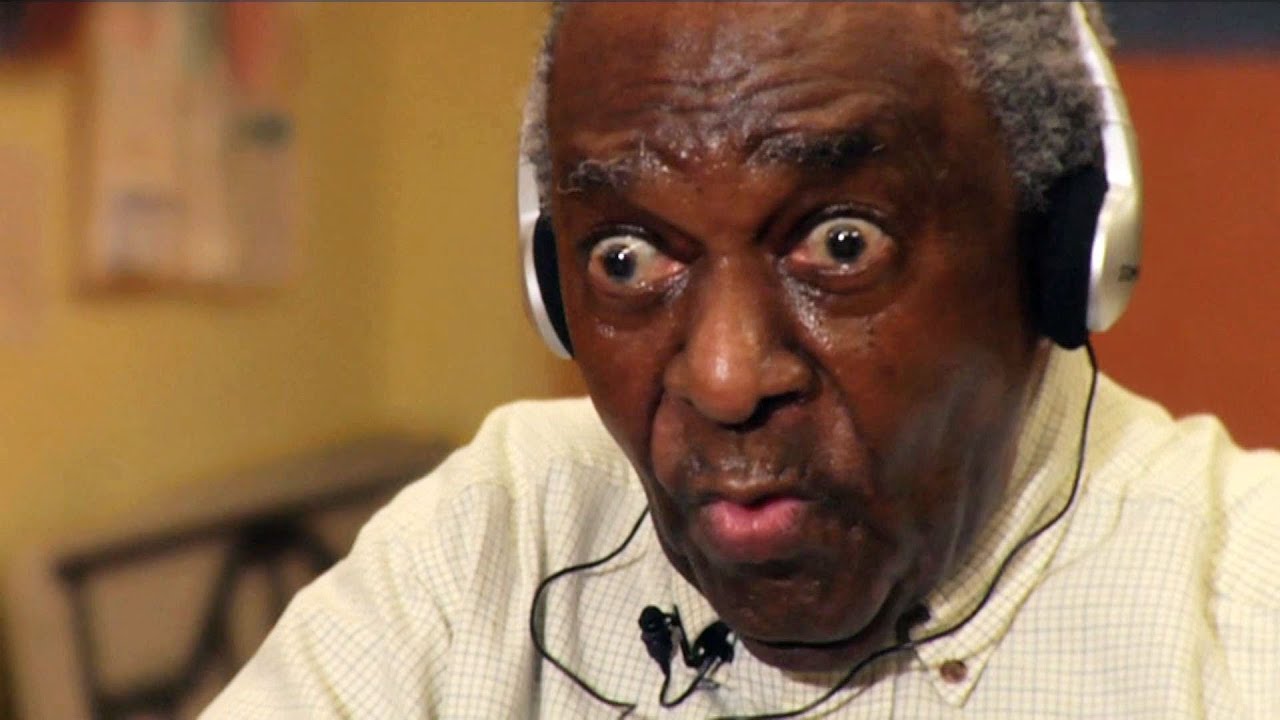
- Henry Drier, a patient featured in the film, transforms from an unresponsive state to one of engagement and recognition when listening to his favorite music.
- This transformation demonstrates that even with severe cognitive decline, the emotional and memory-related connections to music remain intact.
- The "Alive Inside" documentary aims to showcase this phenomenon and advocate for its wider adoption.
Understanding how music can unlock memories and emotions in individuals with cognitive impairments highlights a powerful, non-pharmacological intervention that can significantly improve their quality of life.
Henry Drier, initially unresponsive, becomes animated and communicative when listening to Cab Callaway through headphones.
- Social worker Dan Cohen initiated the "Music & Memory" program after realizing that nursing homes rarely provided residents with access to their personal music.
- He began by bringing iPods and headphones to a local nursing home, offering personalized music to residents.
- The program demonstrated immediate positive effects, improving mood, increasing social interaction, and reducing depression among residents, regardless of their cognitive sharpness.
- Cohen's goal is to expand this program to all nursing homes to restore residents' access to their cherished music.
This initiative shows how a simple, personalized approach can address a significant gap in elder care, focusing on individual well-being rather than just basic needs.
Dan Cohen's experiment with iPods in a nursing home led to instant, positive changes in residents' moods and social engagement.
- The film features Denise, a woman with bipolar schizophrenia, whose emotional state and ability to move are profoundly affected by listening to salsa music, allowing her to stand and dance.
- Another resident, previously unresponsive and bedridden, begins to move her body, shake her feet, and move her head to music, showing a deep physical and emotional response.
- These examples illustrate that music can reach individuals even at the end of life or those with severe physical limitations, offering them a sense of vitality and connection.
- The use of headphones creates a focused, pleasurable experience by limiting overwhelming external stimuli, making the world feel more beautiful and manageable.
These case studies provide compelling evidence of music's ability to transcend severe cognitive and physical barriers, offering profound emotional and spiritual benefits.
Denise, who used a walker for two years, was able to stand and dance when listening to salsa music through headphones.
- The benefits of personalized music extend beyond dementia patients to all elderly individuals in nursing homes, who often lose access to their favorite music as they age.
- The current healthcare system prioritizes reimbursable drug treatments (like antidepressants) over non-pharmacological interventions like music therapy, making it difficult to fund programs like Music & Memory.
- Nursing homes often struggle with limited resources, forcing them to offer group activities instead of personalized care, which can further isolate residents.
- There's a societal issue of devaluing elders and isolating them, leading to environments where community engagement is minimal.
This section highlights systemic barriers to effective elder care and advocates for a shift in how society values and supports its aging population, emphasizing personalized care over generalized, often less effective, treatments.
Doctors can prescribe $1,000 worth of antidepressants, but obtaining a $40 CD player for a resident is often not reimbursable or considered an acceptable expense.
- Music provides a direct pathway to the emotional system, which often remains intact even when cognitive functions decline.
- Personalized music can help individuals reconnect with their identity and feel a sense of self-worth.
- The use of headphones, initially feared to increase isolation, actually fosters greater social connection as residents become more engaged and communicative.
- The film advocates for greater community involvement in nursing homes and intergenerational connections, using music as a bridge.
By restoring access to music, we can help individuals with dementia and other conditions regain a sense of dignity, connection, and profound experience, challenging the notion that they are 'gone'.
Children bringing iPods to older people in nursing homes creates opportunities for intergenerational bonding and shared experiences.
Key takeaways
- Personalized music acts as a powerful key to unlock memories and emotions in individuals with Alzheimer's and dementia.
- The "Music & Memory" program demonstrates that even in advanced cognitive decline, individuals can experience significant improvements in mood, engagement, and sense of self through music.
- The emotional and visceral connection to music often remains intact when cognitive abilities fade, providing a direct route to an individual's inner world.
- Healthcare systems often prioritize costly medications over more effective, personalized, and less expensive non-pharmacological interventions like music therapy.
- Restoring access to familiar music can help combat the isolation and loss of identity experienced by many elderly individuals in institutional settings.
- The film advocates for a societal shift towards valuing elders and fostering greater community and intergenerational connections within care facilities.
Key terms
Alzheimer's diseaseDementiaMusic therapyPersonalized musicNursing homesiPodsMemory recallCognitive declineElderhoodIntergenerational connection
Test your understanding
- How does personalized music help individuals with Alzheimer's and dementia reawaken memories and emotions?
- What was the initial discovery that led Dan Cohen to start the "Music & Memory" program?
- Describe the transformative effects of music on individuals like Henry Drier and Denise, as shown in the film.
- Why is it difficult to get funding for music therapy programs in nursing homes compared to prescription medications?
- What does the film suggest about the potential for social and intergenerational connection through music in elder care facilities?