1:03:26
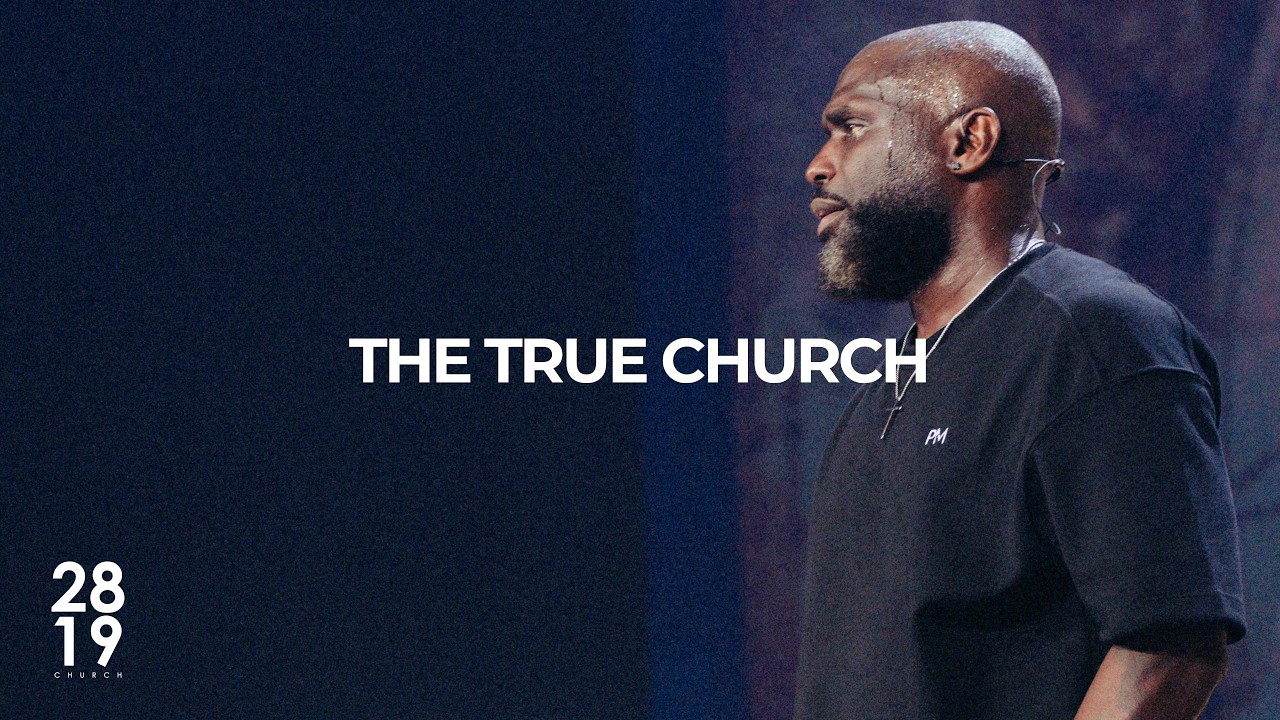
ACTS I & II | The True Church | Acts 2:42-47 | Philip Anthony Mitchell
2819 Church
Overview
This video explores the foundational principles of the early Christian church as described in Acts 2:42-47. It emphasizes the importance of devotion to apostolic teaching, fellowship, breaking of bread, and prayer as the core activities that defined the church's purity and effectiveness. The message contrasts this ideal with modern church experiences, highlighting the need for genuine community, generosity, and adherence to scripture to combat church hurt and foster spiritual growth. The speaker also announces a new book, a forthcoming sermon series, and his upcoming sabbatical, encouraging continued devotion to faith practices regardless of leadership presence.
How was this?
Save this permanently with flashcards, quizzes, and AI chat
Chapters
- The video begins by celebrating the launch of Gospel City Church, the first church plant from 2819 Church.
- Viewers in the North Virginia area are encouraged to attend Gospel City Church instead of watching the broadcast.
- The Brook Church in Columbia, South Carolina, pastored by Bishop Simeon Moltry, is also recommended.
- The speaker welcomes guests and digital disciples, emphasizing the church's commitment to the gospel and disciple-making.
This section sets the context for the sermon by highlighting the church's mission to expand and establish new communities of faith.
The launch of Gospel City Church and the encouragement for local viewers to attend it.
- The sermon series concludes by examining Acts chapters 1 and 2, focusing on the origins and early growth of the church.
- The Book of Acts, written by Luke, chronicles the first 30 years of the church's history.
- The text for the day is Acts 2:42-47, which describes the church in its purest, unfiltered form.
- The speaker contrasts the ideal early church with modern perceptions, noting that many have a low view of the church due to negative experiences.
Understanding the early church's model provides a benchmark for evaluating and striving towards a more authentic and impactful Christian community today.
The description of Acts as a record of the first 30 years of the church's messy but glorious journey.
- After Christ's ascension, 120 disciples waited in Jerusalem and were filled with the Holy Spirit on Pentecost.
- Peter preached the first Christian sermon, leading to the repentance and baptism of 3,000 people.
- The church rapidly grew from 120 to 3,120 members, emphasizing faithfulness over size.
- The early church was a diverse mix of ages, ethnicities, and backgrounds, requiring unified leadership for spiritual formation.
This illustrates the explosive, Spirit-led growth of the early church and introduces the challenge of leading a diverse congregation.
The addition of 3,000 souls to the church on the day of Pentecost, growing from 120 to 3,120 members.
- The early church devoted themselves to four key activities: the apostles' teaching, fellowship (koinonia), breaking of bread, and prayers.
- Devotion signifies a deep, unwavering commitment, seen in committed relationships and service.
- Apostolic teaching involved adherence to the Old Testament and everything Jesus taught, not man-made doctrines or opinions.
- Fellowship (koinonia) meant a shared life and deep relational intimacy, not just social gatherings.
- Breaking of bread encompassed both communion and meals used for building relationships.
- Prayer involved utilizing the full range of human emotion found in the Psalms and Jesus' teachings.
These four practices formed the bedrock of the early church's unity, spiritual health, and impact, serving as a model for all subsequent churches.
The Greek word 'koinonia' for fellowship, meaning 'life in common' or 'shared life,' emphasizing deep relational intimacy beyond mere meetings.
- As a result of their devotion, awe and wonder filled the believers, and many signs and wonders were performed through the apostles.
- The early church practiced radical generosity, selling possessions to meet the needs of others, demonstrating an explosion of visible love.
- Generosity is an inseparable characteristic of genuine Christian faith and a natural outflow of God's love.
- This generosity was voluntary, not forced, and focused on meeting legitimate needs within the community.
This section reveals the tangible outcomes of a devoted church community: supernatural impact and selfless love demonstrated through generosity.
Wealthy believers selling possessions to ensure no one in the church went without, illustrating an 'explosion of love made visible called generosity.'
- The early church met both in the temple (large gatherings) and in homes (small groups/squads), reflecting a balanced approach to community.
- They were concerned about the lost and the spread of the gospel, leading to continued growth.
- Their glad and generous hearts, combined with their practices, resulted in favor with all the people.
- The speaker contrasts this model with modern churches, suggesting that a drift from these core practices has led to a low view of the church.
This illustrates how the early church integrated public and private worship, evangelism, and community life, earning respect and continuing to grow.
Meeting in the large temple area for public teaching and in homes for smaller, more intimate fellowship and meals.
- The speaker prays for churches to strive for the model of devotion seen in Acts, leading to revival and a restored witness.
- He announces his first book, 'Contend,' based on the book of Jude, aimed at awakening believers.
- A new sermon series, 'The Fruit That Remains,' will begin the following week, focusing on the outcomes of faith.
- The speaker will be taking a two-month sabbatical for rest, emphasizing that devotion to God's word and community should continue even in his absence.
This section provides practical steps and resources for learners to continue their spiritual journey and encourages sustained commitment to faith practices.
The announcement of the book 'Contend' and the upcoming sermon series 'The Fruit That Remains' as tools for spiritual growth and awakening.
Key takeaways
- The early church's success was rooted in its unwavering devotion to core practices: teaching, fellowship, breaking bread, and prayer.
- True fellowship (koinonia) involves deep, shared life and relational intimacy, not just superficial social interaction.
- Generosity is a non-negotiable aspect of Christian faith, flowing naturally from a heart transformed by God's love.
- A balanced church community meets in both large gatherings and small groups to foster spiritual growth and connection.
- Faithfulness to God's word and community should remain constant, regardless of the presence of leadership.
- Modern churches often suffer from a low view of community due to a drift from the foundational principles demonstrated in Acts.
- Striving for the early church's model of devotion can lead to revival, reduced church hurt, and a stronger Christian witness.
Key terms
Acts 2:42-47Apostolic TeachingFellowship (Koinonia)Breaking of BreadDevotionGenerosityChurch HurtDigital DisciplesSabbaticalContend (Book)
Test your understanding
- What are the four core practices the early church devoted themselves to, and why were they significant?
- How did the concept of 'koinonia' (fellowship) in the early church differ from modern social gatherings?
- Why is generosity considered an essential component of Christian faith and witness?
- What is the relationship between devotion to scripture and the reduction of 'church hurt'?
- How did the early church balance large gatherings with small group community, and what can modern churches learn from this?