ACGEAR122M1-002REN-1
Architecture History, Theory and Research Cluster
Overview
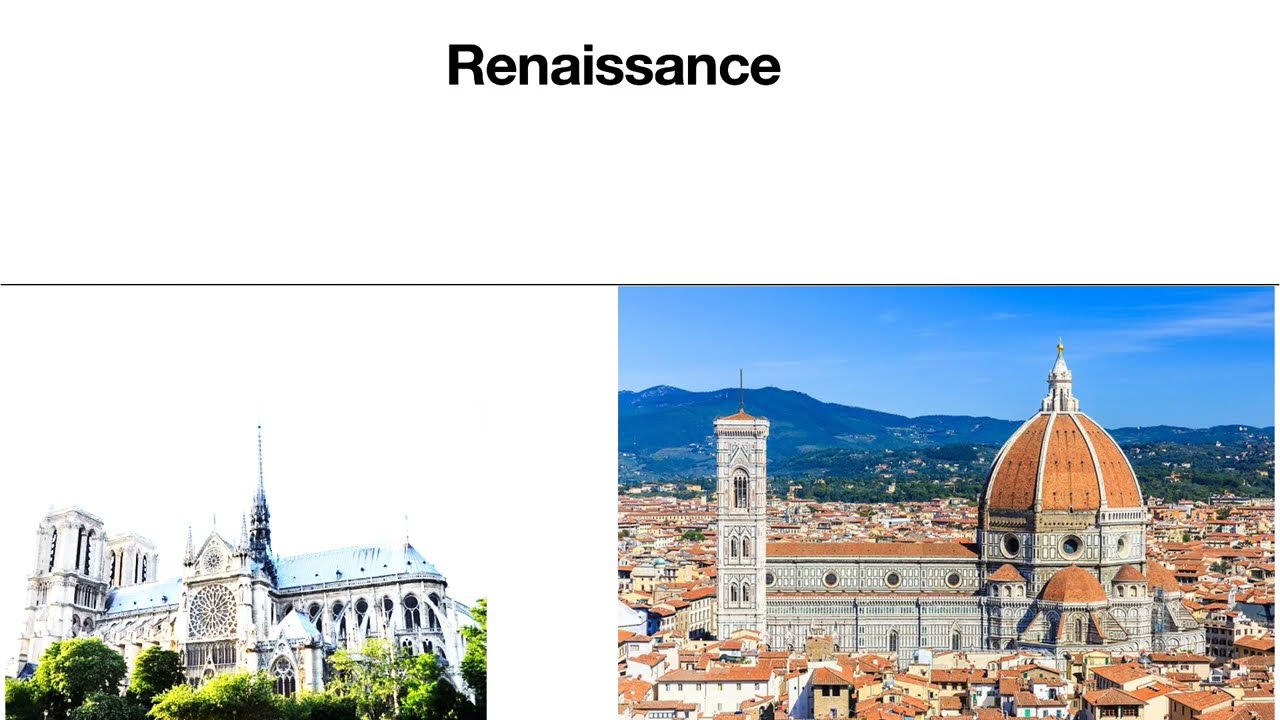
This video explores the Renaissance as a pivotal break from the Gothic architectural style in Europe, emphasizing its Italian origins and subsequent global influence. It highlights how the invention of the printing press democratized knowledge, reviving classical texts like Vitruvius's work and fostering architectural theories. The discussion contrasts the expected emergence of the Renaissance in Rome with its actual flourishing in Florence, attributing this to Florence's economic prosperity and political stability under the patronage of families like the Medicis. The video touches upon the spread of Renaissance, Mannerist, and Baroque styles from Italy to other parts of Europe and even East Asia, including the Philippines, marking a significant shift in architectural evolution.
Save this permanently with flashcards, quizzes, and AI chat
Chapters
- Gothic architectural influence spread across Europe but was rejected by Italy.
- Italy maintained classical traditions: Roman, Early Christian, and Romanesque.
- These classical traditions were based on established orders and proportions.
- The Renaissance marked a deliberate break from the Gothic style's evolution.
- The invention of the printing press made knowledge more accessible.
- Previously rare books became widely available, empowering broader discussion.
- This revival led to the rediscovery and study of ancient architectural texts, like Vitruvius's.
- Increased accessibility of knowledge fueled architectural theories, aesthetics, and proportion studies.
- The Renaissance signified a 'rebirth' across multiple fields, not just architecture.
- Music, literature, and mathematics also experienced a revival.
- Architects studied Roman ruins to develop new theories and styles.
- Renaissance architectural influence spread from Italy to Europe.
- Styles like Mannerist and Baroque emerged during the High or Late Renaissance.
- Influence eventually reached East Asia, including the Philippines.
- The Renaissance was expected to start in Rome due to abundant ancient ruins.
- However, the political situation in Rome was unfavorable for artistic endeavors in the early 15th century.
- Florence, a province in Italy, was economically prosperous and politically stable.
- Influential families like the Medicis in Florence patronized the arts, commissioning significant buildings.
Key takeaways
- The Renaissance represented a conscious rejection of Gothic architecture in favor of classical revival.
- The printing press was a crucial catalyst, democratizing knowledge and reviving ancient architectural scholarship.
- The Renaissance was a broad cultural movement impacting various disciplines, not solely architecture.
- Florence, not Rome, became the birthplace of the Renaissance due to its favorable economic and political climate.
- Patronage from powerful families like the Medicis was instrumental in fostering Renaissance art and architecture.
- Renaissance architectural styles eventually disseminated globally, influencing regions far beyond Italy.
- The study of classical ruins and texts formed the theoretical foundation for Renaissance architectural innovation.