19:48
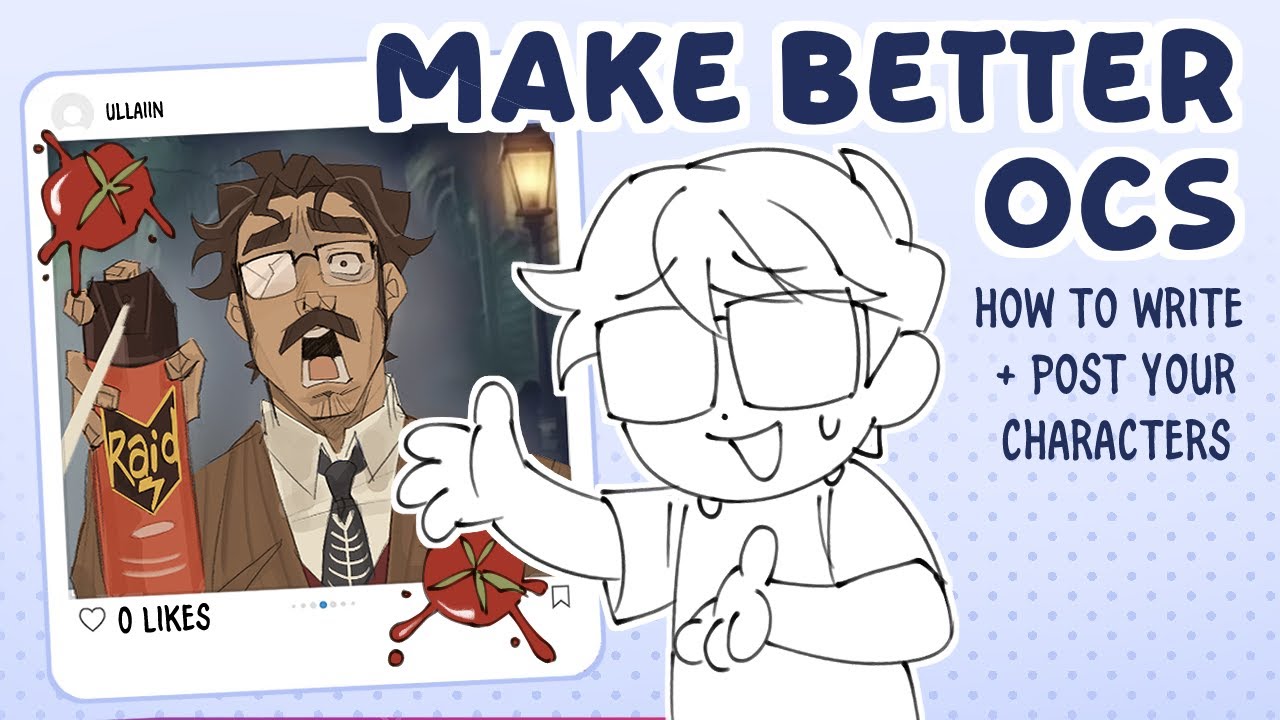
How to Make OCs People Care About
Ullaiin
Overview
This video offers practical advice for creating original characters (OCs) that resonate with an audience, focusing on personality, backstory, and presentation. It emphasizes leveraging established tropes as a foundation, adding unique quirks, and ensuring that a character's history informs their present actions and motivations. The presenter also shares strategies for effectively showcasing OCs online, particularly on social media platforms with algorithms that can be challenging for original content. The core message is to develop characters with depth and present them in ways that invite engagement, ultimately encouraging creators to share their work with confidence.
How was this?
Save this permanently with flashcards, quizzes, and AI chat
Chapters
- Personality is paramount as it dictates character interaction and is what audiences primarily perceive.
- Utilize common character tropes as a starting point, as they provide an immediate, recognizable framework for the audience.
- Enhance tropes by adding unique quirks, contradictions, or unexpected traits to avoid clichés and make characters feel more human.
- Define a character's morality and motivations to ensure consistent actions and reactions within various scenarios.
A strong, well-defined personality is crucial because it's the most visible aspect of a character, making them relatable and engaging for the audience, even with limited exposure.
Creating 'monster hunting grannies' by combining the familiar trope of a sweet, elderly woman with the unexpected profession of monster hunting, then adding specific quirks like a cat lady who collects cat monsters or a gardener who uses shears as a weapon.
- Backstory should serve to explain a character's present personality and motivations, not exist solely for pity or shock value.
- A common pitfall is overemphasizing a traumatic backstory at the expense of a well-developed personality.
- The most effective backstories are intertwined with personality, with each informing and reinforcing the other.
- Consider overarching themes for a backstory (e.g., toxic masculinity, discrimination, exploitation) to ensure coherence and depth.
A character's history provides context for their present self, making their actions understandable and their personality more believable, thus fostering deeper audience connection.
A character's backstory as a Yakuza turned babysitter, exploring themes of toxic masculinity and discrimination, explains their need to appear tough and their potential struggles with nurturing roles.
- Combat the algorithm by presenting OCs in ways that capture attention quickly, as static portraits are less effective.
- Show characters in action or interacting with others to reveal personality through body language, actions, and dynamics.
- Use brief, descriptive 'hooks' or tags (e.g., 'therapist OC,' 'Yakuza babysitter') to immediately convey a character's essence and pique audience interest.
- Focus on presenting your existing characters effectively rather than changing them to fit trends.
Effective presentation is key to getting your carefully crafted OCs noticed and appreciated by a wider audience, especially on fast-paced social media platforms.
Posting a drawing of an OC lying in bed, but including details like silly socks, a fear of sharp objects (leading to kid's cutlery), and a newspaper with mundane interests, all of which reveal personality.
Key takeaways
- Character personality is the most critical element for audience engagement, even more so than a complex backstory.
- Leveraging and subverting common tropes can create instantly recognizable yet unique characters.
- Quirks and specific details are essential for making characters feel like real, distinct individuals.
- Backstories should actively inform and explain a character's present traits and actions, not just serve as a list of misfortunes.
- Intertwining personality and backstory development creates a more cohesive and believable character.
- Visual presentation matters: show characters doing things and interacting to convey personality more effectively than static images.
- Concise descriptive hooks can quickly communicate a character's core concept and attract audience interest.
Key terms
Original Character (OC)TropeClichéQuirkMotivationBackstoryAlgorithmPresentationCharacter DynamicHook
Test your understanding
- How can using character tropes enhance an OC's immediate appeal to an audience?
- Why is it more effective to show an OC in action rather than just in a static portrait?
- What is the relationship between a character's backstory and their present personality?
- How can adding specific quirks to a character make them more memorable and less like a stereotype?
- What strategies can an OC artist use to make their work stand out on social media platforms?