17:51
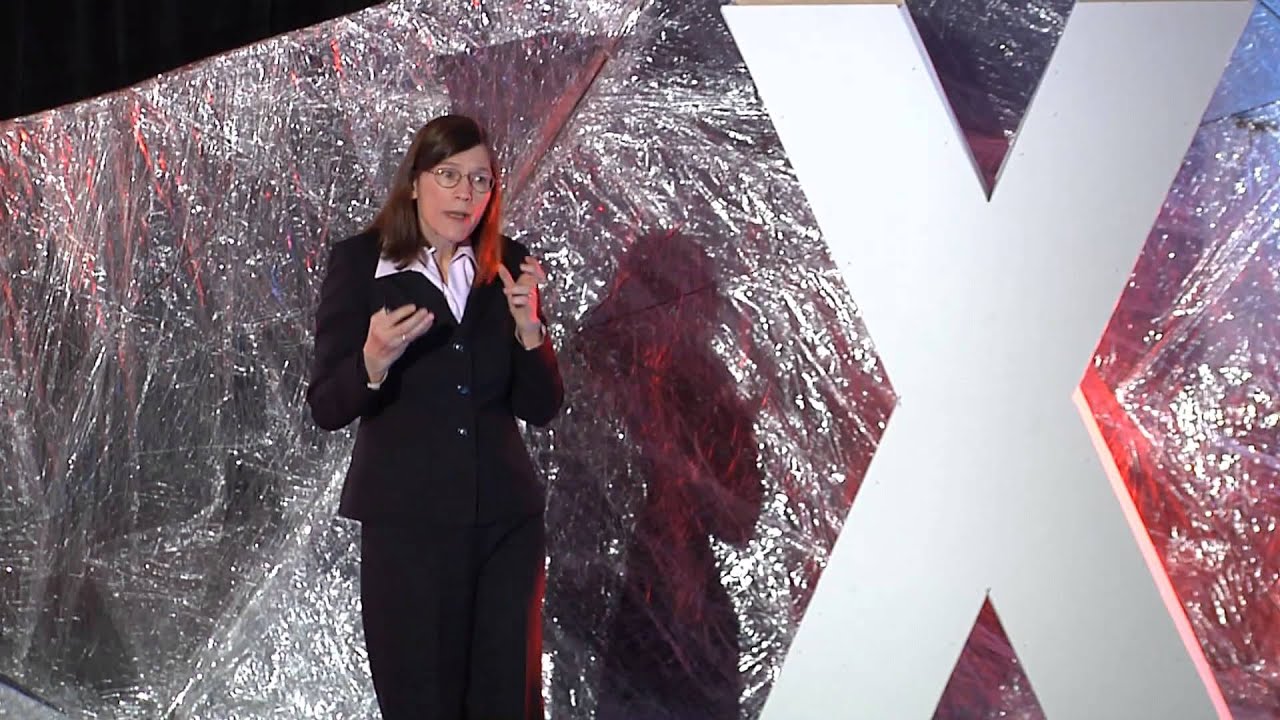
Learning how to learn | Barbara Oakley | TEDxOaklandUniversity
TEDx Talks
Overview
This video explores effective learning strategies by delving into the brain's two primary modes of thinking: focused and diffuse. It explains how alternating between these modes, utilizing techniques like the Pomodoro Technique, and embracing one's unique learning style (even if perceived as a weakness like slow thinking) can significantly improve learning outcomes. The speaker also emphasizes the importance of active recall, practice, exercise, and self-testing over passive methods like rereading or highlighting, ultimately advocating for a proactive approach to mastering new material.
How was this?
Save this permanently with flashcards, quizzes, and AI chat
Chapters
- The speaker initially struggled with math and science, despite a passion for language and culture.
- A desire to understand engineering and problem-solving techniques led to a decision to 'change her brain' later in life.
- Learning effective strategies requires understanding how the brain works and how to teach others.
This personal narrative highlights that learning challenges are common and that it's possible to acquire new skills and change one's cognitive abilities at any age.
The speaker's personal journey from struggling with math to becoming a professor of engineering.
- The brain operates in two main modes: focused mode for concentrated attention and diffuse mode for relaxed, broad thinking.
- The focused mode is like a pinball machine with closely spaced bumpers, allowing for precise movement along known pathways.
- The diffuse mode is like a pinball machine with widely spaced bumpers, enabling exploration of new ideas and connections.
- Effective learning involves actively switching between these two modes.
Understanding these modes helps learners recognize when they are stuck and how to strategically shift their thinking to overcome obstacles and foster creativity.
The pinball machine analogy, where focused mode is tight, direct play, and diffuse mode allows for wider, more exploratory bounces.
- Artists and inventors have intuitively used the diffuse mode to solve problems and generate ideas.
- Techniques involve relaxing the mind to allow subconscious processing, then returning to focused work.
- This process allows ideas from the diffuse mode to be captured and refined in the focused mode.
These examples demonstrate practical, albeit informal, methods for leveraging the diffuse mode to enhance problem-solving and creative output.
Salvador Dali relaxing with keys in his hand, or Thomas Edison with ball bearings, to transition ideas from diffuse to focused thinking upon waking.
- Procrastination often stems from the immediate discomfort of starting an unpleasant task, which the brain seeks to avoid.
- The Pomodoro Technique, involving focused work intervals (e.g., 25 minutes) followed by short breaks, helps build focus.
- This technique trains both the ability to concentrate and the ability to relax, essential for learning.
- The key is to commit to the focused interval, not to completing the entire task.
Procrastination can be managed with structured techniques that build focus and make daunting tasks more approachable.
Setting a timer for 25 minutes of focused work, then taking a short break, as per the Pomodoro Technique.
- Perceived weaknesses, like poor working memory or slow thinking, can actually be advantages for creativity and deep understanding.
- A poor working memory allows other ideas to 'creep in,' fostering creativity.
- Slower thinking can lead to deeper, more profound understanding and less jumping to conclusions.
- It's crucial not to compare oneself negatively to others but to appreciate one's own learning process.
Recognizing that apparent learning difficulties might be linked to unique strengths encourages learners to embrace their individual cognitive styles.
Comparing a slow thinker to a hiker who experiences the journey more deeply, versus a race car driver who simply reaches the destination faster.
- Passive techniques like highlighting and rereading are often ineffective and create an 'illusion of competence'.
- Active recall, by looking away from material and trying to remember it, builds stronger neural connections.
- Regular self-testing and practicing problems multiple times are crucial for solidifying knowledge.
- Mastery requires understanding combined with consistent practice and repetition in varied contexts.
Employing active, evidence-based study methods is essential for genuine learning and long-term retention, rather than just appearing to know the material.
Practicing a homework problem multiple times over several days until the solution is recalled easily, like singing a song.
- Physical exercise can significantly improve the brain's ability to learn and remember.
- Regular testing, even in small doses, is one of the most effective learning tools available.
- These methods create robust neurophysiological pathways for learning and memory.
Simple, accessible activities like exercise and self-testing have a profound impact on cognitive function and learning efficiency.
Using flashcards or mini-tests to repeatedly quiz oneself on material.
Key takeaways
- Learning effectively involves strategically switching between focused and diffuse modes of thinking.
- Creative problem-solving can be enhanced by allowing the mind to relax and wander in the diffuse mode.
- Techniques like the Pomodoro Technique can help manage procrastination and build sustained focus.
- Perceived learning 'weaknesses' like slow thinking can be linked to deeper understanding and creativity.
- Active recall and repeated practice are far more effective for long-term learning than passive methods like rereading.
- Regular self-testing and physical exercise are powerful tools for improving memory and learning capacity.
- True mastery comes from combining understanding with consistent, varied practice.
Key terms
Focused ModeDiffuse ModePinball Machine AnalogyProcrastinationPomodoro TechniqueIllusion of CompetenceWorking MemoryActive RecallTest AnxietyMastery
Test your understanding
- How does the pinball machine analogy help explain the difference between focused and diffuse modes of thinking?
- What strategies can be used to intentionally shift from the focused mode to the diffuse mode when encountering a difficult problem?
- How can the Pomodoro Technique be applied to overcome procrastination and improve concentration?
- In what ways might a 'slow thinker' actually have an advantage in learning compared to a 'fast thinker'?
- Why are active recall and repeated practice considered more effective than passive study methods like highlighting?