39:31
Greek Roman Egyptian Magic - Greek Magical Papyri - Books of Magic
ESOTERICA
Overview
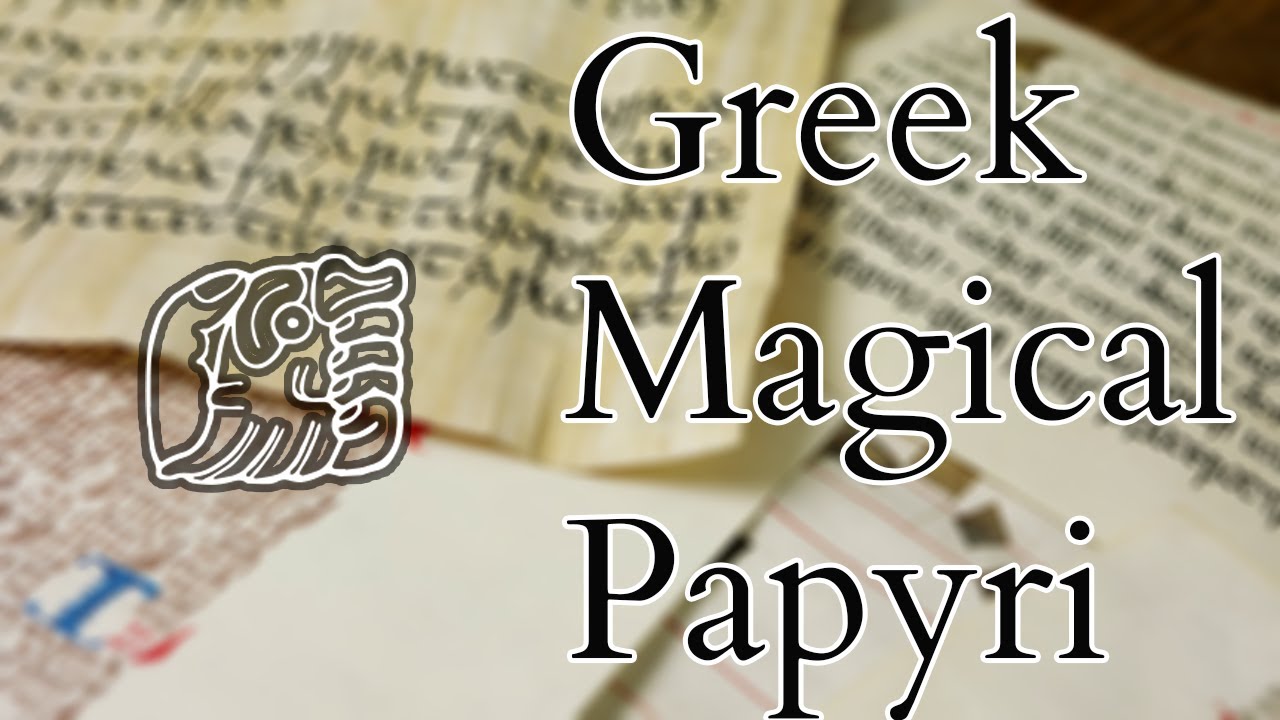
This video explores the Greek Magical Papyri (PGM), a vast collection of ancient magical texts that survived against all odds. These papyri offer a unique window into the magical, religious, and cultural practices of the Greco-Roman and Egyptian worlds from the 1st to 5th centuries CE. The PGM are characterized by their syncretism, blending diverse religious and cultural systems into a unified magical practice. The video details various types of spells and rituals found within the PGM, from love spells and binding rituals to curses, amulets, and divination, highlighting their practical applications and the complex worldview they represent.
How was this?
Save this permanently with flashcards, quizzes, and AI chat
Chapters
- Magical texts have historically been persecuted due to the perceived danger of magic.
- Despite persecution, some magical texts, like the Greek Magical Papyri (PGM), have miraculously survived for millennia.
- The PGM represent a significant cross-section of ancient magical and religious beliefs.
Understanding the historical persecution of magical texts helps explain why surviving examples like the PGM are so rare and valuable for historical study.
Augustus Caesar reportedly ordered the destruction of 2,000 magical texts, and early Christians were encouraged to burn their magical books.
- Ancient magic manifested in various forms, including curse tablets (defixiones), incantation bowls, and effigies (kolossoi).
- The Greek Magical Papyri are substantial collections of magical manuals and incantation texts, distinct from these artifact-based magical practices.
- Papyrus, a durable writing material from Egypt, was crucial for the preservation of these texts.
Recognizing the different forms of magical artifacts and texts provides a broader context for understanding the scope of ancient magical practices.
Curse tablets, often made of lead and found in graves or wells, were used for malicious magic, while incantation bowls were buried to trap demons.
- The largest collection of PGM was discovered in Thebes (Luxor) around 1827 by Giovanni Anastasi.
- The PGM are written primarily in Greek, with some sections in Old Coptic and Demotic Egyptian, dating from the 1st to 5th centuries CE.
- These texts include spells attributed to figures like Solomon, Moses, and ancient philosophers, covering a vast range of magical applications.
The discovery and multilingual nature of the PGM reveal the interconnectedness of cultures and the transmission of magical knowledge across different linguistic and religious groups.
The collection includes spells for love, binding rivals, protection, divination, healing, and even necromancy.
- A defining characteristic of the PGM is syncretism, the fusion of diverse religious and cultural systems (Egyptian, Greek, Jewish, Christian, Gnostic, etc.).
- Magical practitioners freely mixed deities, rituals, and languages from different traditions.
- This syncretistic approach continued into later medieval and modern magical practices.
Syncretism in the PGM demonstrates that ancient magical practitioners often drew from a wide 'buffet' of spiritual and magical resources, challenging modern distinctions between religious and magical systems.
A spell might invoke the Egyptian god Hecate alongside the Mesopotamian god Erishkigal, or use Hebrew names for God in an incantation to a Greek deity.
- The PGM feature standardized incantation formulae, often incorporating divine evocation and mysterious magical characters.
- Palindromes (onomata) and long series of vowel sounds are common linguistic features, possibly representing chants.
- Unique characters, some with long histories in later magic, appear alongside traditional scripts.
The specific linguistic and symbolic elements within the spells provide clues about the structure, performance, and transmission of ancient magical practices.
The Ephesian Formula (Ephesia grammata) is a famous example of a powerful incantation, and palindromic formulas like 'natan' (he gives in Hebrew) are found within spells.
- Spells range from erotic attraction (using magnets) and invisibility potions to business-related effigy magic and pest control.
- Divination methods include bibliomancy using texts like the Iliad and Odyssey.
- Other spells aim to bestow athletic ability, provide protection (phylacteries), control anger, and perform exorcisms.
- Some spells reveal insights into social dynamics, such as a spell to deal with a boss or an erotic binding spell between two women.
Specific examples illustrate the practical, everyday concerns addressed by ancient magic, from personal relationships and professional life to health and spiritual well-being.
The 'Sword of Dardanus' spell uses a magnet to attract a lover, incorporating Hebrew divine names and invoking Jewish patriarchs, showcasing syncretism.
- The PGM invoke a diverse pantheon, including underworld deities like Hecate and Anubis, as well as figures like Hermes and the Egyptian god Thoth.
- The 'headless one' (Akephalos) is a unique deity found in the PGM.
- Ancient philosophers like Pythagoras and Democritus are associated with magic in these texts, blurring the lines between philosophy, science, and magic.
- Astrology plays a surprisingly minor role compared to later magical texts.
The deities and philosophical associations within the PGM highlight the fluid boundaries between different fields of knowledge and belief in the ancient world.
A spell for athletic ability invokes both the Greek god Hermes and the Egyptian god Thoth, linking them to the syncretic figure of Hermes Trismegistus.
- Key scholarly resources for studying Greek and Roman magic include translations of the PGM (e.g., Betz), and works by Daniel Ogden and Lindsay Watson.
- Resources for ancient Egyptian magic include Eleanor Harris's work.
- Further study can delve into specific areas like curse tablets, theurgy, and the history of magical characters.
Identifying reliable academic resources is crucial for learners to deepen their understanding of the complex subject of ancient magic beyond this introductory overview.
The Betz translation of the Greek Magical Papyri is recommended for its comprehensive collection of texts, though it omits Christian magic.
Key takeaways
- The Greek Magical Papyri are invaluable primary sources offering a direct look into ancient magical practices, beliefs, and the syncretic nature of the ancient world.
- Magic in antiquity was a practical endeavor, addressing a wide range of human concerns from love and business to health and spiritual protection.
- The syncretism evident in the PGM demonstrates a fluid and inclusive approach to religious and magical traditions, blending elements from diverse cultures.
- Linguistic and symbolic elements within magical texts, such as palindromes and unique characters, reveal sophisticated techniques and potential ritualistic uses.
- The historical persecution of magic underscores its perceived power and the societal anxieties it generated.
- The lines between magic, philosophy, religion, and science were significantly blurred in the ancient world, as evidenced by the association of philosophers with magical practices.
- Surviving magical texts like the PGM are rare treasures that provide crucial insights into the intellectual and spiritual lives of people in late antiquity.
Key terms
Greek Magical Papyri (PGM)SyncretismDefixiones (Curse Tablets)Kolossoi (Effigies)PapyrusDemotic ScriptOld CopticOnomata (Palindromes)BibliomancyPhylacteryHermes TrismegistusHecate
Test your understanding
- What is syncretism, and how does it manifest in the Greek Magical Papyri?
- Why were magical texts historically persecuted, and how does this persecution impact our understanding of surviving texts like the PGM?
- Describe at least three different types of magical practices or texts found within the Greek Magical Papyri, providing specific examples.
- How did the ancient Greeks and Egyptians integrate different religious and cultural systems into their magical practices, as seen in the PGM?
- What are some of the key linguistic features found in the Greek Magical Papyri, and what might they suggest about the performance of magic?