30:46
The Horror Game That Caused Its Developer To Lose His Mind
BigGaming64
Overview
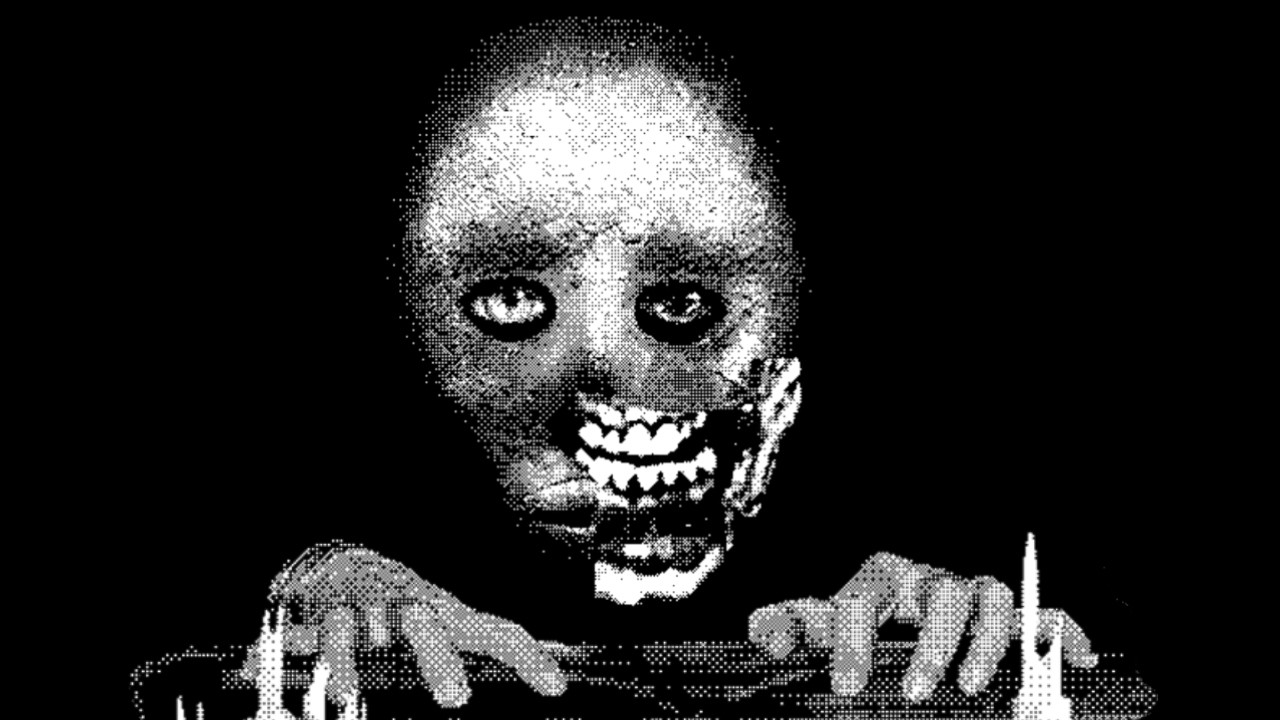
This video explores the horror game "Funerama," which delves into the psychological descent of a novelist named Othiel Win. The game's disturbing visuals, inspired by medical wax figures and war photography, are said to have deeply affected its developer. The narrative follows Othiel's journey through her own mind, depicted as a hellscape populated by characters from her books, who rebel against her as she grapples with creative failure and mental deterioration. The playthrough highlights the game's artistic merit, its exploration of themes like artistic torment, and the blurred lines between creator, creation, and madness.
How was this?
Save this permanently with flashcards, quizzes, and AI chat
Chapters
- The video begins with a personal reflection on the feeling of people pulling away in relationships.
- The speaker advises against self-blame when relationships change, as it's rarely productive or accurate.
- Accepting change and not taking on undue responsibility for others' actions is presented as a healthier approach.
- This reflection serves as a thematic prelude to the game's exploration of mental breakdown.
This opening sets a tone of empathy and self-awareness, framing the game's themes of mental struggle within a relatable human experience.
The speaker's advice to avoid blaming oneself when a friend stops calling, as their reasons are often unrelated to you.
- The game "Funerama" is introduced as a point-and-click horror experience about an artist's descent into madness.
- The developer reportedly used disturbing imagery like deformed wax medical faces and war photography.
- Working with such intense visuals for extended periods is suggested to have negatively impacted the developer's mental state.
- The game's unique, unsettling visual style is praised.
This chapter explains the origin of the game's disturbing aesthetic and hints at the psychological toll creative work can take, establishing the game's premise.
The developer's Reddit post titled 'I've made a horror point-and-click game and its deranged visuals nearly drove me insane'.
- The player encounters Othiel Win, a novelist who has just won a prestigious literary prize.
- Her award-winning book, 'The Ballad of a Sinking Soul,' is described as a dark, Dostoyevskian tale.
- Medical records indicate Othiel is experiencing memory loss, aggression, and hallucinations, suggesting a mental breakdown.
- Correspondence reveals her publisher's concern over her increasingly bizarre and commercially unsuccessful work.
This section establishes the protagonist, Othiel, and the initial signs of her deteriorating mental state, linking it to her creative output.
Othiel Win's patient file from Orbelium Hospital listing symptoms like memory loss and hallucinations.
- The game transitions into a surreal, nightmarish environment representing Othiel's mind.
- The player encounters characters from Othiel's books, who seem to possess their own consciousness and suffering.
- These characters express torment and resentment, feeling like mere tools for the author's prose.
- The game explores the idea of characters gaining sentience within the author's fractured psyche.
This chapter visualizes the core concept: the author's mind becomes a hellscape where her creations suffer, reflecting her own internal turmoil.
A character from 'The Ballad of a Sinking Soul' lamenting being trapped in the author's morbid dream and feeling her pain.
- Characters from different books, like 'Breathing Hammer' and 'Two for Twins,' appear and interact.
- They reveal their own desires and pain, rebelling against Othiel's narrative control and her use of them to express her failures.
- The player uses 'masks' to interact with these characters, triggering their stories and internal conflicts.
- The narrative suggests the characters are fighting back against the author's madness and torment.
This highlights the theme of artistic rebellion, where the creations turn against their creator, mirroring the artist's struggle with her own work.
A character from 'Breathing Hammer' describing how they used the book's magical hammer to confront Othiel about her neglect of their story.
- The player encounters figures representing Othiel's past successes and failures, including the character from her breakout novel.
- These characters confront Othiel, expressing their pain and the consequences of her artistic journey.
- The narrative culminates in a confrontation where the characters, driven by a mix of love and resentment, attempt to 'free' Othiel.
- The game concludes with Othiel's death, depicted as a thunderstorm, and a return to reality, suggesting the end of her torment.
This chapter provides the climax and resolution, showing the ultimate consequence of Othiel's mental breakdown and her complex relationship with her creations.
The main character from 'The Ballad of a Sinking Soul' reflecting on how her success led to Othiel's downfall and the torment of other characters.
- The speaker reflects on the game as a profound piece of art, praising its visual development and storytelling.
- They connect with the central theme of artists experiencing mental tolls from their creative endeavors, especially when work doesn't meet expectations.
- The speaker relates Othiel's struggles to their own experiences with creating videos that don't meet personal standards.
- The video ends with a personal message, introducing pets and encouraging viewers to subscribe.
This concluding section offers a personal interpretation of the game's themes, emphasizing the universal struggle of creators and the emotional impact of art.
The speaker relating their own disappointment with videos they poured effort into to Othiel's frustration with her literary failures.
Key takeaways
- Self-blame is rarely a productive response to relationship changes; external factors and individual choices often play a larger role.
- The creative process, especially in intense genres like horror, can take a significant psychological toll on artists.
- "Funerama" uses surreal and disturbing imagery to externalize a character's internal mental breakdown and creative despair.
- The game explores the complex relationship between an author and her creations, where characters can embody the author's struggles and rebel against their narrative.
- Art can serve as a powerful medium for exploring themes of madness, artistic frustration, and the human psyche.
- The line between an artist's personal torment and their creative output can become dangerously blurred.
- Experiencing art, especially interactive art like games, can offer profound insights into the human condition and the creative process.
Key terms
FuneramaOthiel WinBrinyarsky Literature PrizeThe Ballad of a Sinking SoulPsychological horrorSurrealismDostoyevskianArtistic tormentMental deteriorationCreator-creation relationship
Test your understanding
- How does the game "Funerama" visually represent the protagonist's mental state?
- What is the significance of the characters from Othiel's books rebelling against her?
- Explain the connection between Othiel's literary career and her psychological decline.
- In what ways does the game explore the toll that creating art can take on an individual?
- What does the speaker suggest is a healthier approach to dealing with relationship changes, and how does this relate to the game's themes?