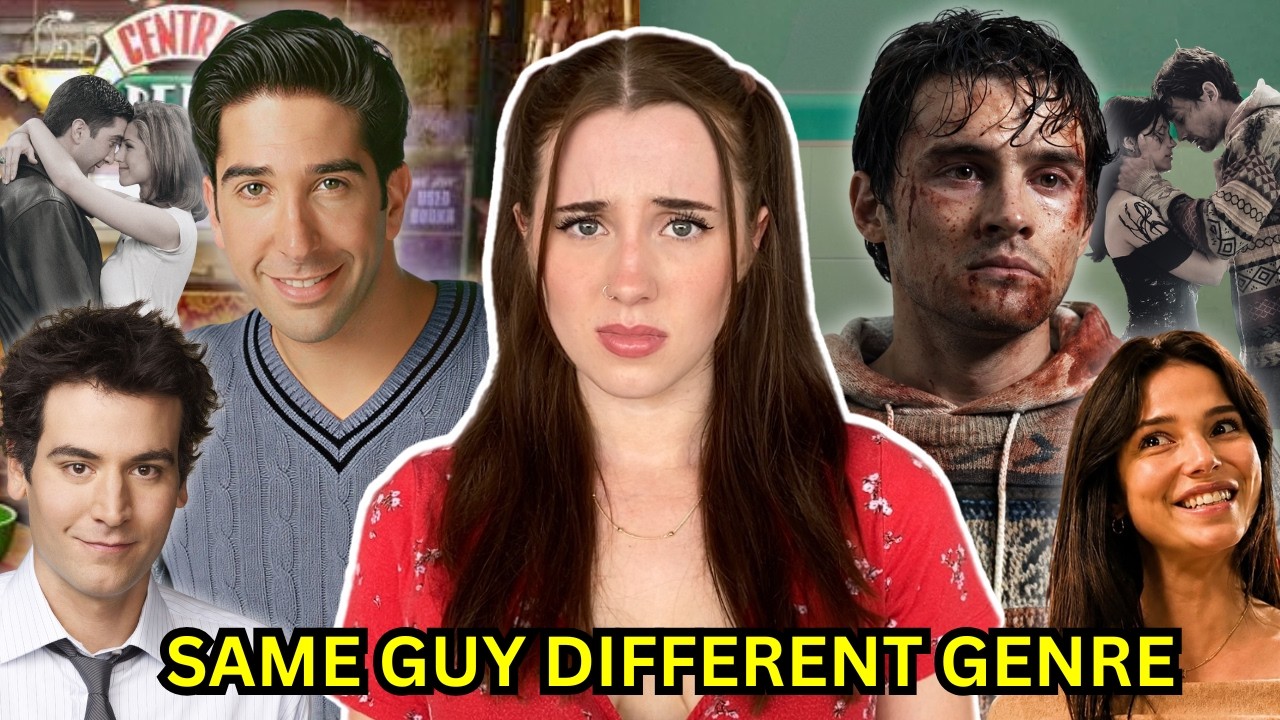
Turns Out The "Nice Guy" Is Actually TERRIFYING...
Marina McBain
Overview
This video deconstructs the "nice guy" trope in media, arguing that characters often portrayed as romantic heroes are, in reality, deeply problematic and even terrifying. It analyzes how Hollywood has historically filtered these characters, making audiences root for them despite their underlying entitlement, possessiveness, and manipulative behaviors. By examining examples like Ross from "Friends" and Ted Mosby from "How I Met Your Mother," the video reveals how these "nice guys" often view kindness as a transaction and rejection as a personal affront. It contrasts these with the unfiltered portrayal in the film "Obsession," which exposes the dark reality of this trope when the romantic fantasy is stripped away.
Save this permanently with flashcards, quizzes, and AI chat
Chapters
- The "nice guy" is a character archetype who believes his kindness and patience entitle him to romantic reciprocation.
- Hollywood often filters these characters, presenting them as lovable heroes, obscuring their problematic behaviors.
- The video distinguishes between genuine kindness and using kindness as a romantic sales tactic.
- The "nice guy" trope is contrasted with the unfiltered, terrifying portrayal in the film "Obsession."
- The entitled nice guy performs kindness and patience with the expectation of a romantic reward.
- Ross Geller from "Friends" exemplifies this by acting as Rachel's emotional support without being her boyfriend, expecting eventual reciprocation.
- His entitlement becomes apparent when Rachel dates others, leading to possessive and controlling behavior framed as romantic devotion.
- The show's narrative often justifies Ross's actions, making him seem right in his paranoia, which is a dangerous message.
- The hopeless romantic nice guy believes in an epic, destined love that overrides logic and social cues.
- Ted Mosby from "How I Met Your Mother" pursues a love story rather than a relationship, treating women as auditions for his future wife.
- His romantic gestures, like stealing a blue French horn after a first date, are presented as charming but are actually pushy and disregard boundaries.
- Ted's narrative is filtered through his own perspective, justifying his selfish actions and making others feel like supporting characters in his romantic quest.
- The 'I'm not like other guys' nice guy uses the perceived flaws of other men as his romantic selling point.
- The 'friend-zoned' nice guy views friendship as a waiting room for romance, feeling betrayed when his romantic advances are rejected.
- These variations, like Cameron in "10 Things I Hate About You" and Ducky in "Pretty in Pink," often mask ulterior motives behind a facade of niceness.
- The core issue is treating relationships as something to be earned through perceived goodness rather than genuine connection.
- The film "Obsession" removes the romantic filter, showing the terrifying reality of the "nice guy" trope.
- The character Bear, initially appearing shy and sweet, uses a magical wish to force his crush, Nikki, to love him.
- This wish doesn't create love but control, trapping Nikki's consciousness and replacing her with a being that exists solely to fulfill Bear's desires.
- Bear's refusal to undo the wish, even when confronted with Nikki's suffering, reveals his desire for ownership over love and control over autonomy.
Key takeaways
- The "nice guy" trope often masks entitlement and possessiveness, where kindness is seen as a transactional currency for romance.
- Media frequently filters these characters, making audiences sympathize with manipulative behaviors that would be alarming in real life.
- True romance involves respecting autonomy and accepting rejection, not demanding reciprocation based on perceived niceness.
- Characters like Ross and Ted demonstrate how a focus on a romantic narrative can lead to ignoring a partner's boundaries and desires.
- The film "Obsession" provides a crucial, unfiltered look at the "nice guy" trope, revealing the underlying desire for control and ownership.
- It's vital to distinguish between genuine kindness and using kindness as a tool to manipulate or coerce affection.
- Understanding these tropes empowers viewers to critically assess relationship dynamics presented in media and in their own lives.
Key terms
Test your understanding
- How does the "nice guy" trope differ from genuine kindness, and what are the key indicators of this difference?
- In what ways do media portrayals of characters like Ross Geller and Ted Mosby filter their problematic behaviors, and why is this significant?
- What is the core motivation behind the "nice guy's" actions, and how does this manifest differently in "entitled" versus "hopeless romantic" types?
- How does the film "Obsession" serve as an unfiltered counterpoint to the traditional "nice guy" narrative, and what does it reveal about the trope's darker implications?
- Why is it important to recognize the "nice guy" trope in media and real life, and what are the potential consequences of overlooking it?