10:18
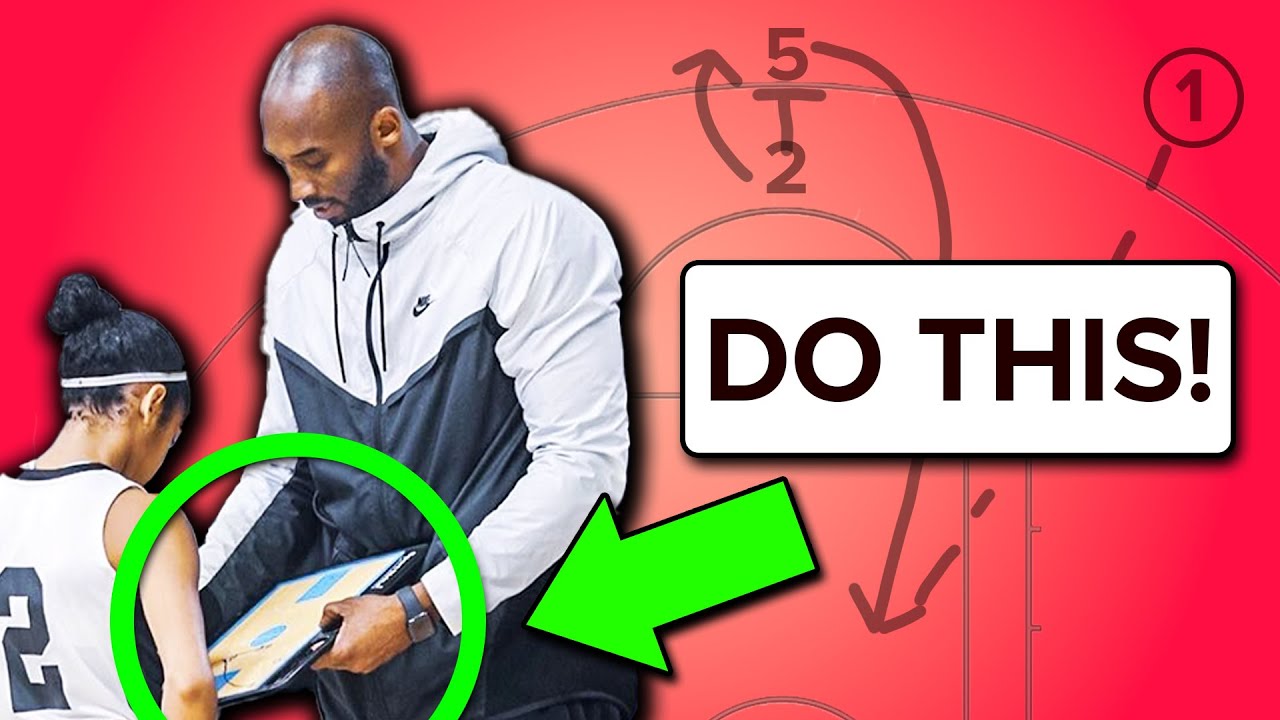
How To Actually Develop Your Basketball IQ (Film Study)
Andrew M Hoops
Overview
This video explains how to develop basketball intelligence (IQ) through a structured, three-step process. It moves beyond simply playing or watching games to emphasize understanding team strategy, individual roles, and opponent tendencies. The core of the method involves asking targeted questions to coaches and teammates, studying film strategically (focusing on your level of play and specific opponents), and cultivating a focused, present mindset ('blue head'). This approach aims to make players extensions of their coaches on the court, leading to better decision-making and performance.
How was this?
Save this permanently with flashcards, quizzes, and AI chat
Chapters
- Basketball IQ is defined as being an extension of the coach on the court, understanding plays and counters.
- Many players struggle to improve their IQ because they are overwhelmed by generic advice like 'play more' or 'watch more'.
- The speaker developed a 3-step system over a decade of coaching to effectively improve basketball IQ.
Understanding what basketball IQ truly means and recognizing the common pitfalls in trying to develop it is crucial for adopting a more effective learning strategy.
Rajon Rondo's description of being an extension of the coach and looking to the coach for direction during games.
- Ask your coach about the offensive systems and actions the team will run.
- Clarify your specific role on the team, as knowing this frees you up to focus on excelling within it.
- If your role is to be a shooter, practice specific shots related to the team's offense and develop counters like pump fakes and drives.
- Visualize yourself executing plays and counters, similar to how race car drivers use simulators.
Knowing the team's strategy and your individual role provides a clear framework for practice and in-game decision-making, preventing confusion and maximizing your contribution.
A Formula 1 driver using simulators to practice every corner before a race, analogous to a player visualizing coming off a pin-down with specific footwork and counters.
- Ask coaches and teammates about each player's strengths and weaknesses, viewing players like superheroes with unique abilities.
- As a leader, know who your team's shooters are to ensure they get touches and stay engaged, even if they aren't primary scorers.
- Understand player tendencies, like a strong hand preference, to set up plays on the correct side of the floor for optimal team success.
- This understanding allows for strategic play design, ensuring players are in positions to be efficient and effective.
Leveraging your teammates' strengths and accommodating their preferences leads to better team cohesion and offensive efficiency.
Chris Paul explaining to JJ Redick how he sets up plays like 'floppy' to ensure Redick comes off the left side, allowing Paul to pass to his right hand.
- Instead of watching every game, focus film study on your direct opponents and the level you play at.
- Ask specific questions when scouting opponents: their main offensive actions, how to impact them defensively, and how they guard actions.
- Analyze how opponents guard specific actions (like screens) to anticipate how you will be guarded and prepare accordingly.
- Study film to understand defensive tendencies and how they create opportunities for specific offensive actions (e.g., mid-range shots when drop coverage is used).
Targeted film study of your competition allows you to prepare specifically for upcoming games, identify exploitable weaknesses, and refine your own game based on observed trends.
Studying how defenders in your league go under screens and then watching players like Duncan Robinson to see how he uses different footwork (hop vs. 1-2 step) to get his shot off effectively against this coverage.
- Utilize resources like NBA.com (for full games/team tendencies) and NBA.com/stats (for specific player stats and shot types) for film study.
- YouTube channels can also provide breakdowns of specific concepts, saving you study time.
- Develop a 'blue head' – a focused, present mindset that concentrates on the current task and what can be controlled, rather than dwelling on mistakes or external judgments.
- High-IQ players maintain awareness and focus, similar to Rondo constantly looking for opponent tendencies rather than worrying about past plays.
Effective use of available resources and cultivating a focused, present mindset are essential for consistent performance and maximizing the benefits of film study and game experience.
Observing how Duncan Robinson uses a 'hop' footwork after a screen when the defender goes under, versus a '1-2' footwork when he's sprinting into the catch, to understand the nuances of shot preparation.
Key takeaways
- Basketball IQ is actively being an extension of the coach on the court, requiring deep understanding of strategy and execution.
- Effective IQ development stems from targeted learning, not just passive observation.
- Understanding your specific role and the team's offensive system is foundational for focused improvement.
- Knowing your teammates' strengths and weaknesses allows you to play more effectively as a unit.
- Strategic film study should prioritize your current competition and level of play over simply watching high-level games.
- Analyzing how defenses guard actions helps you anticipate and prepare for how you will be defended.
- Cultivating a 'blue head' – a focused, present mindset – is critical for confident and intelligent play.
Key terms
Basketball IQExtension of the CoachOffensive ActionsPlayer RoleCountersVisualizationStrengths/WeaknessesFilm StudyOpponent TendenciesBlue Head
Test your understanding
- How does understanding your specific role on the team contribute to developing your basketball IQ?
- Why is it more beneficial to study your direct opponents rather than just watching NBA games?
- What are the key questions you should ask your coach to better understand the team's offensive strategy?
- How can understanding a teammate's preferred hand influence play-calling and team success?
- Explain the concept of a 'blue head' and how it relates to a player's on-court performance and decision-making.