14:05
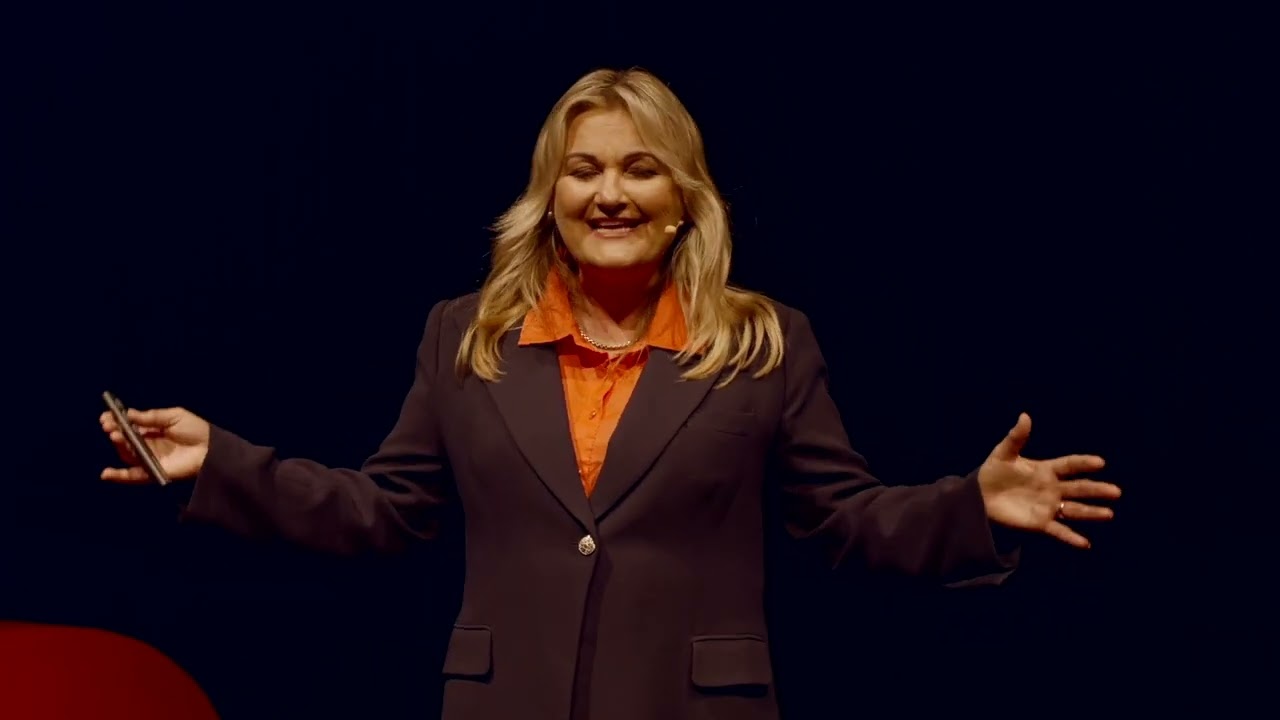
Think before you speak, hacking the secret of communication | Catherine Molloy | TEDxEnniskillen
TEDx Talks
Overview
This video explores the critical importance of conscious communication, highlighting how easily misunderstandings arise from unspoken assumptions and misinterpretations of body language. The speaker shares a personal anecdote to illustrate how split-second reactions and made-up stories can escalate conflict. The core message emphasizes that true communication requires awareness of our own actions, mindfulness of others, and understanding of our ingrained behaviors. By mastering these elements, individuals can significantly reduce miscommunication, foster better relationships, and create more positive interactions.
How was this?
Save this permanently with flashcards, quizzes, and AI chat
Chapters
- We often believe we have communicated effectively, but this is frequently not the case.
- Communication can fail through unspoken thoughts or misinterpretations of non-verbal cues like nods or eye rolls.
- Miscommunication leads to confusion, both for ourselves and for those we interact with.
Recognizing that our perceived communication might be flawed is the first step toward improving how we connect with others and avoid unnecessary conflict.
Thinking you've communicated a message clearly, but the other person understood something entirely different due to a subtle non-verbal cue or an unstated assumption.
- A car journey became tense when the speaker, while working on emails, leaned back to allow her husband to change lanes.
- The husband misinterpreted her leaning back as tensing up due to his driving, leading to an angry outburst.
- The speaker had made an assumption about needing to move, and the husband made an assumption about her reaction to his driving, neither of which was explicitly communicated.
This story demonstrates how quickly assumptions and unstated actions can lead to conflict, even in long-term relationships, highlighting the need for clear, conscious communication.
The speaker leaning back in the car seat to facilitate a lane change, which her husband perceived as her tensing up because she was nervous about his driving.
- We constantly create 'stories' or narratives in our minds about others' behaviors and intentions based on limited information.
- These internal stories are often inaccurate and drive our reactions before we even speak.
- The tendency to make up stories is a universal human trait, contributing significantly to misunderstandings.
Understanding that our immediate interpretations are often just stories, not facts, allows us to pause and seek clarity rather than reacting defensively.
Seeing someone look angry and assuming they are upset with you, when in reality they might be tired or dealing with a personal issue.
- While body language is important, it's highly subjective and difficult to control how it's perceived.
- The most crucial aspect is understanding how *your own* body language and actions are received.
- Conscious communication involves controlling your own actions and responses, rather than trying to control others' perceptions.
Focusing on self-awareness and conscious control of our own communication is more effective than trying to perfectly interpret or manage others' non-verbal signals.
Instead of just leaning back, the speaker could have verbally stated, 'Would you like to change lanes?' to avoid the entire misunderstanding.
- The 'power of three' for conscious communication involves understanding: 1) body language, 2) mindfulness, and 3) behaviors.
- Body language creates a 'domino effect' and can easily miscommunicate if not mindful.
- Mindfulness requires awareness of yourself, the other person, and the context.
- Understanding your raw behaviors under pressure helps predict and manage reactions.
This framework provides a practical, actionable model for improving communication by focusing on self-awareness and intentionality.
Recognizing that when stressed (behavior), your body language might tighten (body language), so you consciously take a deep breath (mindfulness) to manage the reaction.
- Conscious communication is the most needed skill today, enabling win-win outcomes.
- Being present in the moment and reflecting on our communication can significantly reduce misunderstandings.
- Simple acts, like offering a genuine smile and expressing appreciation, can transform interactions.
By actively practicing conscious communication, we can improve our relationships, reduce conflict, and create a more positive environment for ourselves and others.
Turning to someone and saying, 'I'm glad you're here today' with a genuine smile, fostering a positive connection.
Key takeaways
- Effective communication is not just about speaking, but about how our actions and non-verbal cues are perceived.
- We often create inaccurate 'stories' or assumptions about others' intentions, leading to misinterpretations.
- The key to better communication lies in self-awareness and conscious control of our own reactions and behaviors.
- Mindfulness of oneself, the other person, and the context is crucial for navigating conversations effectively.
- Understanding our ingrained behavioral patterns, especially under pressure, helps us manage our responses.
- Conscious communication is a skill that can be learned and practiced to foster better relationships and achieve win-win outcomes.
- Small, intentional acts of positive communication, like a genuine smile, can have a significant impact.
Key terms
Conscious CommunicationMiscommunicationNon-verbal CuesAssumptionsInternal StoriesBody LanguageMindfulnessBehaviorsConscious Connection FrameworkDomino Effect
Test your understanding
- What is the difference between believing you have communicated and actually having communicated effectively?
- How do the 'stories' we tell ourselves about others' actions contribute to miscommunication?
- What are the three core components of the Conscious Connection Framework, and why are they important?
- How can understanding your own behavioral patterns under pressure improve your communication?
- Why is it more effective to focus on controlling your own actions and responses rather than trying to interpret others' body language perfectly?