56:04
Yolun Sonunda Büyük Tuzak mı Var ? Paranormal olaylar
Bir De Sen Gör
Overview
This video delves into a complex, metaphorical narrative involving a "guest" arriving for a significant "invitation" related to a "knotted book" and a journey to "Mezna" or "Babil." The discussion touches upon spiritual concepts, dimensional travel, and the nature of reality, often using symbolic language. Key themes include the importance of intention, divine guidance, and the preparation for a spiritual transformation. The narrative is presented through a dialogue with a "guest" who reveals cryptic information about portals, cosmic journeys, and the unfolding of a destined event, emphasizing the role of faith and readiness in navigating these profound experiences.
How was this?
Save this permanently with flashcards, quizzes, and AI chat
Chapters
- A guest arrives unexpectedly, and the host struggles to identify them, questioning if they are the expected "invited one."
- The guest claims to have met the host before at a "dimension gate," hinting at non-ordinary encounters.
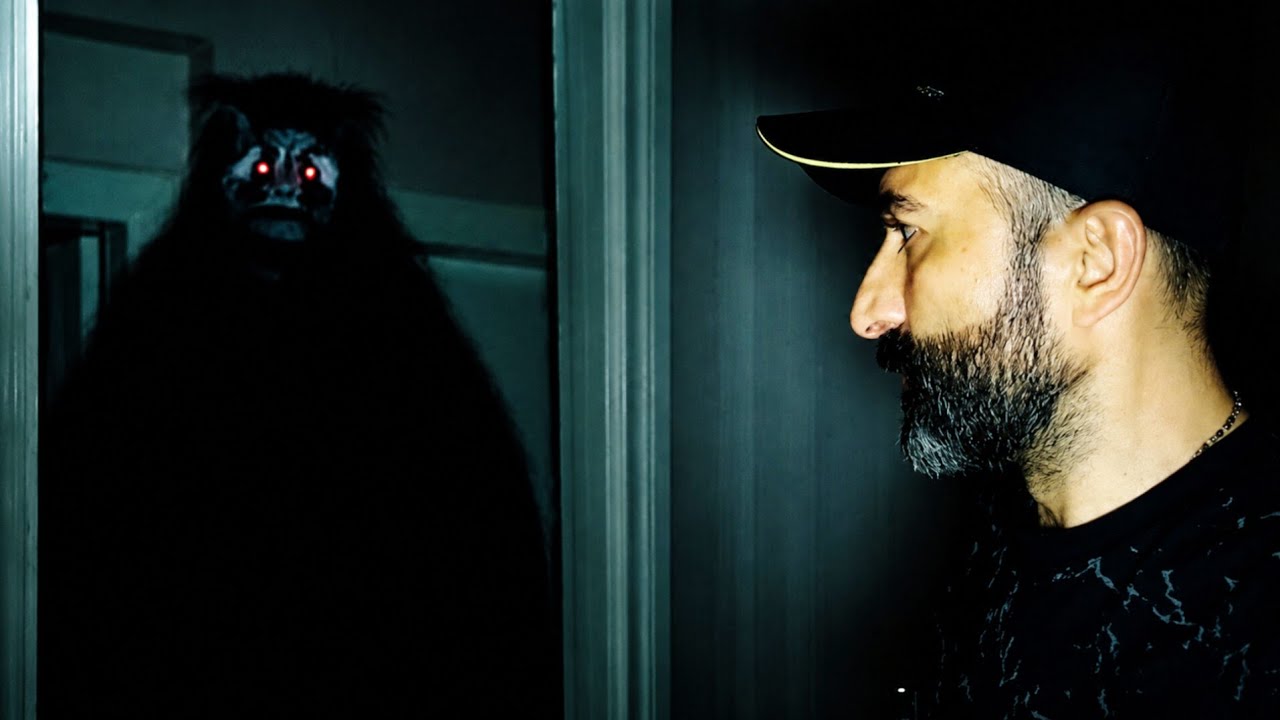
- The host is concerned about the guest's appearance, noting the presence of horns, which were absent during a previous encounter.
- The host invokes religious phrases, indicating a sense of unease and the need for spiritual protection.
This initial encounter sets a mysterious and spiritual tone, immediately introducing themes of hidden identities and otherworldly connections that drive the narrative.
The host asks the guest, 'Sen de kimsin? Davetli sen misin?' (Who are you? Are you the invited one?), highlighting the uncertainty surrounding the guest's identity.
- The guest confirms they are the invited one and the "owner of this invitation," tasked with a significant role.
- The guest mentions a crucial "knotted book" and its pages turning, signifying an important event or revelation.
- The concept of a journey to "Mezna" (or "Mezraya") is introduced, with many people wanting to go, but only some will be able to.
- The guest explains that the journey to Mezna is facilitated by a "Rezon gate" and requires riding horses, which are real animals used for travel within Mezna.
This chapter introduces the central plot elements: the 'knotted book' as a source of knowledge and the 'Mezna' as a destination, framing the narrative around a spiritual quest.
The guest describes the Rezon gate: 'Rezon kapısı açıldığı zaman atların yolundan devam edeceksin.' (When the Rezon gate opens, you will continue on the path of the horses.)
- The guest reveals they are the teacher of Anton, who was a gatekeeper at a dimension gate and received keys from Ibn Karuf.
- Ibn Karuf is presented as a significant figure who tasked the guest with this mission and provided crucial information, including a message about "iron masses melting."
- The narrative draws parallels between the described dimensions and the movie 'Avatar,' suggesting a shared theme of interconnectedness and otherworldly beings.
- The guest emphasizes that the purpose of their arrival is to prevent interference from sorcerers and ensure the book opens correctly.
This section deepens the lore by introducing key spiritual figures and concepts like dimension gates and symbolic messages, suggesting a complex, multi-layered reality.
The guest states, 'Ben Anton'un hocasıyım. Boyutların kapısı Antonaydı. Tüm anahtarları ben vermiştim. Beni görevlendiren de İbn Karuftu.' (I am Anton's teacher. The gate of dimensions was Anton's. I had given all the keys. The one who assigned me was Ibn Karuf.)
- The guest explains that the journey to Mezna will occur in a dream-like state, specifically during REM sleep, where the body is paralyzed.
- This REM sleep state allows individuals to 'travel' without physical movement, appearing asleep in the physical world while being active in the spiritual realm.
- The guest suggests that the opening of the book and the turning of its pages will reveal who is destined to go to Mezna.
- The concept of "Tai mekan" (traveling without being physically present) is mentioned as a way for many to participate in the journey.
This chapter offers a practical, albeit metaphysical, explanation of how spiritual journeys can be undertaken, linking it to a known physiological state (REM sleep).
The guest explains the mechanism: 'Gelecek kişiler uyudukları zaman bunlar rem uykusuna dalacaklar. Rem uykusu felç olacaklar.' (When the people who will come sleep, they will fall into REM sleep. REM sleep will be paralyzed.)
- The guest speaks of future global events, including the appearance of different stars and significant changes on Earth, urging people to see the truth.
- The guest laments that most people live as if blind, unable to perceive reality or the true purpose of their existence.
- The journey to Babil is mentioned as an upcoming event, with the possibility of the host traveling alone or with a few companions.
- The host reflects on the importance of saying 'Inshallah' (God willing) or 'Allah nasip ederse' (if God permits) when making plans, emphasizing divine will.
This section broadens the scope to include prophecies and philosophical reflections on human perception and the acceptance of divine providence in life.
The guest states, 'Dünyanın hemen hemen tamamı gözleri kör bir şekilde dolanıyor. Aslında gerçeği göremiyorlar.' (Almost the entire world wanders around blind. They cannot see the truth.)
- The host is instructed to place the book in the center of the room and not to wait by it, as they will enter the book's content once it opens.
- The experience of entering the book is described as potentially lasting for years within a short physical timeframe, akin to living years in seconds.
- The host expresses a desire to share knowledge, including alchemy and the science of influencing matter, with their followers.
- The host mentions a past encounter with Petra's grandfather, who provided 'dimension codes' for perceiving the surroundings.
This chapter focuses on the immediate unfolding of the 'knotted book' event and its implications for personal growth and the acquisition of knowledge.
The host is told, 'Kitabı salonun ortasına koy. Biraz yüksek bir yerde dursun. Başında beklemene gerek yok. Zaten kapağı açılıp sayfalar döndüğü an sen o kitabın içinde olacaksın.' (Put the book in the middle of the room. Let it be on a slightly elevated place. You don't need to wait by it. As soon as the cover opens and the pages turn, you will be inside that book.)
Key takeaways
- Spiritual journeys and transformations often involve symbolic language and require a readiness of the mind and spirit.
- The concept of 'Mezna' and the 'knotted book' represent a higher state of consciousness or knowledge that can be accessed through spiritual means.
- REM sleep plays a crucial role in facilitating astral or spiritual travel, allowing consciousness to explore realms beyond the physical body.
- Divine will and intention are paramount; acknowledging 'Allah nasip ederse' (if God permits) aligns one with a higher purpose.
- The narrative suggests that true perception requires overcoming blindness to spiritual realities and embracing divine guidance.
- Preparation for significant spiritual events involves mental cleansing and a willingness to surrender to the unfolding of destiny.
- Key spiritual figures like Ibn Karuf and Anton act as guides or facilitators in these complex metaphysical journeys.
Key terms
Davetli (Guest/Invited One)Boyut Kapısı (Dimension Gate)Mezna/MezrayaDüğümlü Kitap (Knotted Book)Rezon Kapısı (Rezon Gate)Tai MekanRem Uykusu (REM Sleep)İbn KarufAntonBabil Yolculuğu (Journey to Babil)
Test your understanding
- What is the significance of the "knotted book" and its pages turning in the context of the video's narrative?
- How does the video explain the mechanism of spiritual travel to 'Mezna,' and what role does REM sleep play?
- Who are the key spiritual figures mentioned, and what roles do they play in the unfolding events?
- Why is it important to acknowledge divine will, such as by saying 'Allah nasip ederse,' when discussing future plans?
- What does the video suggest about humanity's current perception of reality, and how can this be overcome?