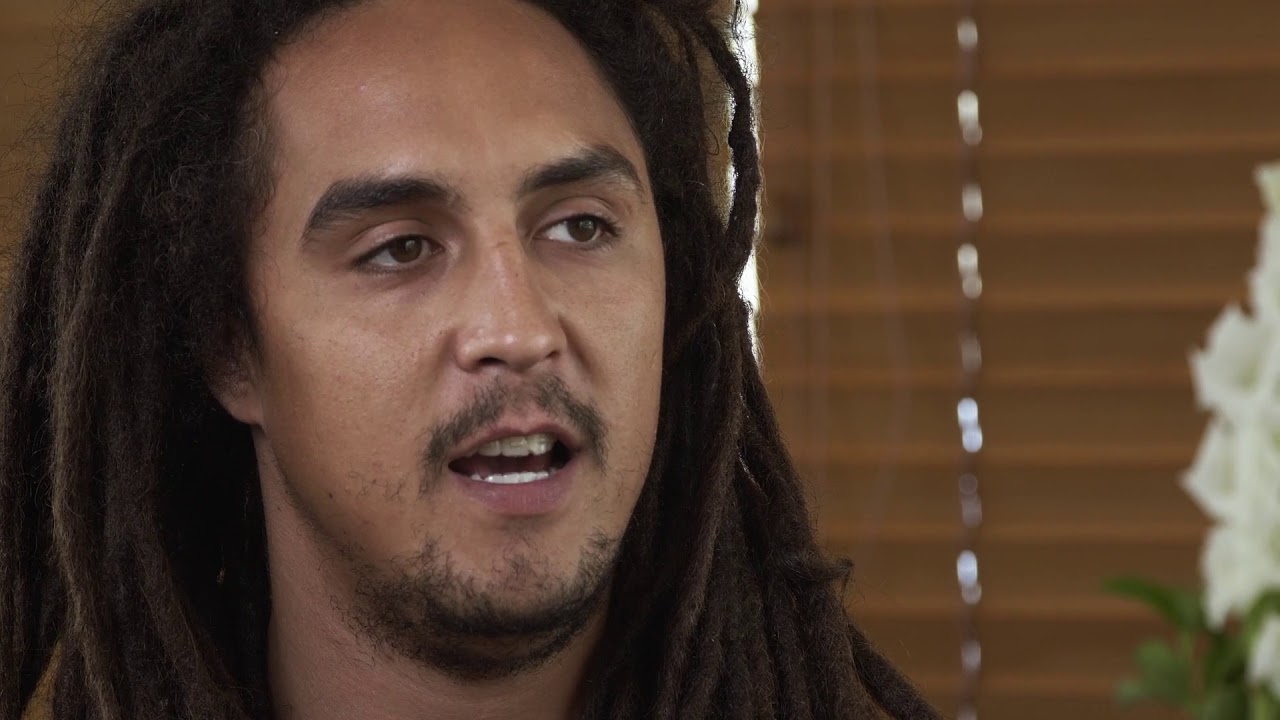
Greg Chatfield’s Story: an Indigenous Palliative Care Journey
PEPA Education
Overview
This video shares the personal journey of Greg Chatfield, an Indigenous man navigating a Motor Neuron Disease (MND) diagnosis and his experience with palliative care. Greg recounts his challenging upbringing, marked by the impacts of the Stolen Generations and systemic racism, which led to early encounters with the justice system. His diagnosis with MND, a progressive and incurable disease, prompted a shift in his perspective towards seeking specialized care. The narrative highlights the transformative impact of palliative care, not as a place to die, but as a crucial support system that managed his symptoms, improved his quality of life, and allowed him to spend meaningful time with his family. The video emphasizes the importance of culturally sensitive care and encourages others to explore palliative care options.
Save this permanently with flashcards, quizzes, and AI chat
Chapters
- Greg Chatfield's family originates from Kamilaroy country, experiencing displacement and hardship, including the lasting effects of the Stolen Generations.
- Greg faced discrimination in his youth, feeling excluded from mainstream social activities due to his Indigenous background.
- Early experiences with authority figures and the justice system, including being sent to a boys' home, left lasting negative impacts.
- Despite challenges, Greg was actively involved in establishing Indigenous youth organizations like Gurgan Garwin, demonstrating a commitment to his community.
- Greg experienced unexplained loss of strength and symptoms that led him to 'doctor shop' for years without a clear diagnosis.
- A significant event, possibly a brain aneurysm, led to neurological tests that indicated a high probability of MND.
- The diagnosis of Motor Neuron Disease (MND) came with a prognosis of only three years to live, causing profound shock and disbelief.
- Initially, Greg struggled to comprehend the diagnosis and how to communicate it to his children.
- Greg initially misunderstood palliative care, expecting a typical hospital ward environment.
- His first interactions with the palliative care team revealed a multidisciplinary approach focused on holistic well-being, not just end-of-life care.
- Palliative care provided crucial symptom management, particularly pain relief, which significantly improved Greg's daily life and ability to function.
- The care received was culturally sensitive, with staff listening to and learning from Greg about his needs as an Indigenous man.
- Palliative care allowed Greg to regain a sense of 'living' by managing his pain and symptoms effectively.
- It provided him the strength and opportunity to spend quality time with his family, attend events like his son's football games, and have barbecues.
- The support system eased the burden on his family, allowing them to focus on spending time with him rather than solely on caregiving.
- Greg advocates for seeking palliative care earlier, emphasizing its role in maintaining dignity and quality of life despite an incurable disease.
- The palliative care team provided constant, calm support during Greg's most frightening moments, including during breathing difficulties.
- Greg's experience demonstrates that palliative care is about living well with a serious illness, not just about dying.
- He received culturally appropriate care, with staff learning from him about his specific needs.
- Greg's journey serves as an encouragement for other Indigenous people to explore palliative care options.
Key takeaways
- Systemic racism and historical trauma, like the Stolen Generations, have profound and lasting impacts on Indigenous individuals and communities.
- Early life experiences with authority and the justice system can create significant barriers to trust and seeking help later in life.
- Motor Neuron Disease (MND) is a progressive, incurable illness that significantly impacts physical function and requires specialized care.
- Palliative care is a multidisciplinary approach focused on improving quality of life, managing symptoms, and providing holistic support for individuals with serious illnesses.
- Seeking palliative care can empower individuals to live more fully, manage pain, and spend meaningful time with loved ones, rather than solely focusing on the end of life.
- Culturally sensitive care is essential for Indigenous patients, requiring healthcare providers to listen, learn, and adapt their practices.
- Advocating for oneself and accepting support, even when initially hesitant, can lead to significant improvements in well-being and dignity.
Key terms
Test your understanding
- What were some of the systemic challenges Greg Chatfield faced during his upbringing, and how did they shape his early life?
- How did Greg's diagnosis with Motor Neuron Disease impact his understanding of his own mortality and his approach to seeking medical care?
- What is the core purpose of palliative care, and how did it differ from Greg's initial expectations?
- How did palliative care contribute to Greg's ability to live more fully and spend quality time with his family after his diagnosis?
- Why is culturally sensitive care particularly important for Indigenous patients within the healthcare system, as illustrated by Greg's experience?