23:41
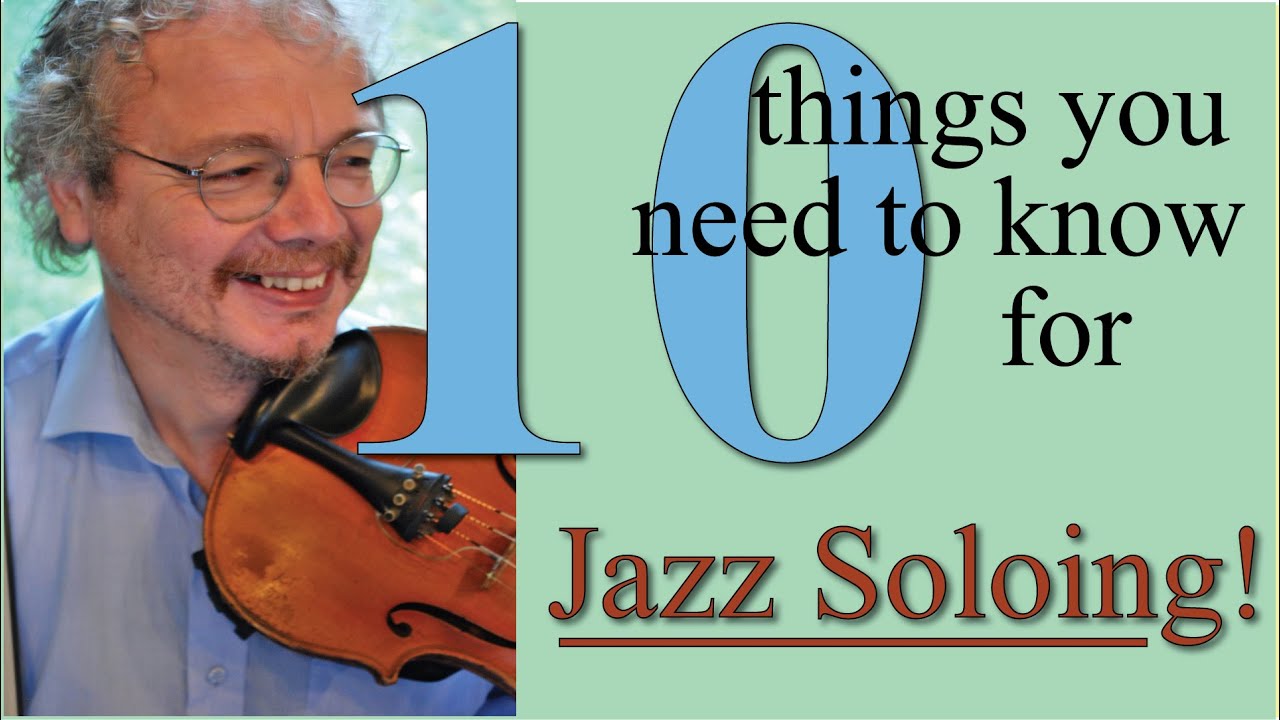
10 TIPS for jazz soloing on violin
The Fiddle Channel
Overview
This video offers ten practical tips for violinists learning to improvise jazz solos. It covers crucial aspects like planning solo length, strategic entry points, and crafting compelling beginnings. The advice emphasizes storytelling through musical dynamics, varying phrasing and note lengths, and effective bow control. It also touches on the balance between predictability and surprise, the use of repetition for development, and techniques for ending solos memorably to engage the audience. The goal is to help beginners build confidence and create more engaging and musical jazz solos.
How was this?
Save this permanently with flashcards, quizzes, and AI chat
Chapters
- Decide the intended length of your solo in advance, typically one chorus (32 bars) in a band setting.
- Observe other soloists to gauge typical solo lengths and cues.
- Adjust solo length based on the performance context (e.g., longer solos with a single accompanist, shorter on fast tunes).
- Clearly signal your intended ending to avoid cutting off abruptly or overstaying your welcome.
Knowing your solo's duration prevents overplaying, ensures everyone gets a chance to solo, and helps maintain the flow and energy of the performance.
If other soloists play for a full chorus, aim for a similar length. If playing with just a guitarist, you might extend to two or three choruses.
- Choose your entry point wisely; sometimes starting just before the end of the preceding section creates a smoother transition.
- Establish a mood from the very first note, whether it's gentle, aggressive, high, or low.
- Use a strong opening gambit, like a single note followed by a pause, to build immediate tension and capture attention.
- Develop a sense of direction by starting softly and low, gradually increasing intensity and pitch.
A well-timed and intentional start sets the tone for your solo, grabs the listener's attention, and establishes your musical intention.
Playing a single, sustained note and then pausing before continuing can create suspense and draw the audience in.
- Tell a musical story by varying dynamics, intensity, and pitch throughout your solo.
- Avoid playing with constant intensity or at the same pitch level, as this can become monotonous.
- Employ varied phrasing by using different lengths of musical sentences and pauses between them.
- Experiment with a wide range of note lengths, from long sustained notes to short, quick ones.
Varying musical elements keeps the solo engaging, prevents listener fatigue, and demonstrates a more sophisticated musical understanding.
Instead of playing continuous notes, use pauses to create distinct musical phrases, similar to how a speaker pauses between sentences.
- Utilize different parts of the bow (tip, middle, heel) for distinct tonal qualities and articulations.
- Alternate between smooth, flowing passages and precise, accented phrases.
- Embrace repetition as a tool for developing musical ideas, rather than avoiding it.
- Develop repeated phrases by adding variations or extensions on subsequent repetitions.
Effective bow control adds color and expression, while strategic repetition allows for the development and reinforcement of musical themes.
Repeating a short melodic idea three times, with the third repetition evolving into a new melodic turn, builds interest from a simple motif.
- Effective jazz soloing balances predictable patterns with unexpected elements.
- Use familiar elements like blues phrases or quotes from other tunes to create connection.
- Introduce surprise through outside notes, wide intervals, or unexpected melodic turns.
- The goal is to keep the listener engaged by fulfilling and then subverting expectations.
This balance keeps the audience interested, providing comfort in familiarity while stimulating them with novelty.
Weaving in a recognizable lick or a brief quote from another well-known song can provide a moment of recognition before launching into more adventurous territory.
- A strong ending can elicit applause from the audience, a common practice in jazz.
- Build intensity towards the conclusion, potentially reaching a high note or a powerful rhythmic figure.
- Clearly signal the end of your solo to avoid ambiguity.
- Consider ending with a subtle, softer phrase for a different emotional impact, if applause isn't the goal.
A well-executed ending provides closure, leaves a lasting impression, and can enhance the overall impact of your solo and the performance.
Driving towards a high, sustained note or a strong rhythmic conclusion can signal the end and encourage audience applause.
Key takeaways
- Plan your solo length to respect the band's structure and give others a turn.
- Start your solo with intention, using techniques like pauses or dynamic shifts to capture attention.
- Vary your musical ideas by changing phrasing, note lengths, and dynamics to tell a compelling story.
- Utilize the full range of your bow for diverse tonal colors and articulations.
- Develop musical ideas through repetition and variation, rather than fearing it.
- Create interest by balancing predictable musical patterns with surprising elements.
- End your solo decisively, whether with a powerful flourish or a subtle diminuendo.
Key terms
Jazz soloingViolin improvisationChorus32 barsMelodyImprovisationAccompanistPhrasingNote lengthsBow controlRubatoPredictabilitySurprise
Test your understanding
- Why is it important to decide the length of your jazz solo in advance?
- How can a violinist create an engaging start to their jazz solo?
- What are the benefits of varying note lengths and phrasing in a solo?
- How can a violinist use repetition effectively in a jazz solo?
- What is the role of surprise in jazz improvisation, and how can it be achieved?