45:32
[Discovery Channel] Body Story | Episode 4 | Teen Dreams
Lumintrove
Overview
This video explores the biological processes of puberty in humans, focusing on the hormonal changes that occur in both males and females. It details how hormones like gonadotropins, testosterone, and estrogen trigger physical and mental transformations, from the development of reproductive organs and secondary sexual characteristics to the emergence of sexual desire and emotional changes. The summary highlights that while these changes prepare individuals for reproduction, full maturity and the capacity for successful reproduction take many years.
How was this?
Save this permanently with flashcards, quizzes, and AI chat
Chapters
- Children's bodies contain immature eggs (in follicles) and sperm-producing cells that are dormant.
- Puberty, the process of sexual maturation, begins years before outward signs and is triggered by signals from the brain.
- The brain releases gonadotropins, hormones that travel through the bloodstream to activate the reproductive organs.
Understanding the initial state of reproductive readiness helps appreciate the complex cascade of events that constitute puberty.
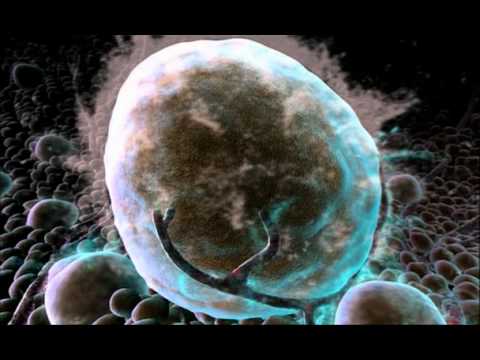
Immature eggs are held within spherical structures called follicles in a female's ovaries, and sperm-producing cells lie dormant in a male's testicles.
- Gonadotropins from the brain activate sperm production factories in the testicles.
- Specialized cells in the testicles are triggered to produce testosterone, the primary male sex hormone.
- Testosterone influences the development of male secondary sexual characteristics and also affects the brain, initiating the reproductive circuit and sexual desire.
This chapter explains the foundational hormonal shifts that drive male physical and psychological development during puberty.
Testosterone seeps from blood vessels into the fluid surrounding brain cells, triggering a group of interconnected cells that form the 'reproductive circuit,' giving rise to the desire for sex.
- Gonadotropins stimulate the growth of follicles in the ovaries, causing eggs to mature.
- As follicles grow, they release estrogen, the primary female sex hormone.
- Estrogen drives the physical transformation of a female's body, including breast development and changes in fat distribution, and also impacts the brain, leading to stronger emotions.
This section details the hormonal mechanisms that lead to female sexual maturation and the development of secondary sexual characteristics.
Fat cells in the chest and hips absorb fat from the blood, causing breasts and buttocks to enlarge under the influence of estrogen.
- Both males and females experience a sex drive due to hormones, which can sometimes interfere with other cognitive functions.
- Testosterone can increase competitiveness and assertiveness in males, while estrogen can lead to heightened emotional responses in females.
- Hormonal surges can lead to involuntary physical responses, such as erections in males, and can also influence physical changes like acne.
This chapter illustrates how hormonal influences extend beyond basic reproductive functions to affect behavior, emotions, and physical appearance.
Sebaceous glands in males can become clogged due to excess sebum production triggered by testosterone, leading to acne, while estrogen helps regulate this in females.
- Testosterone is converted to estrogen in males, triggering a growth spurt.
- Rapid growth can temporarily disrupt coordination as the brain adjusts to new limb lengths.
- Testosterone also promotes muscle growth in males, while in females, it stimulates the growth of pubic and underarm hair, which can trap sweat and bacteria.
This section explains the physical transformations that make individuals more attractive and capable of reproduction, while also noting potential temporary drawbacks.
In males, testosterone causes muscle fibers to multiply, thickening muscles, while in females, it stimulates hair growth in specific areas designed to trap sweat.
- In males, dormant cells in the testicles transform into sperm, complete with heads and tails.
- In females, a single follicle matures an egg, producing large amounts of estrogen, but can die if it doesn't receive enough gonadotropin.
- The first period in females occurs when the uterine lining dies due to a drop in estrogen, even if a fertile egg wasn't released.
- Males reach sexual maturity when sperm production is at full capacity, while females are still years away from producing mature, fertile eggs.
This chapter marks the biological milestones of becoming capable of reproduction, differentiating between the continuous production of sperm and the cyclical release of eggs.
A male's first sperm is formed when its DNA is condensed into a head and the rest of the cell forms a tail, enabling it to potentially fertilize an egg.
- In males, rising testosterone levels can increase aggression and deepen the voice as vocal cords lengthen.
- Females release their first mature egg from the ovary, a process that occurs monthly for decades.
- Both males and females are now capable of reproduction, but full adulthood and the ability to successfully raise offspring require many more years of development.
- Human puberty is uniquely long, allowing time for learning complex social behaviors before reproduction becomes the primary focus.
This concluding chapter emphasizes that while the biological capacity for reproduction is achieved, the journey to full adulthood and societal integration is a lengthy process.
A female's first mature egg bursts from its follicle and ovary wall, signaling the start of her monthly ovulatory cycle.
Key takeaways
- Puberty is initiated by hormonal signals from the brain, specifically gonadotropins, which activate the reproductive systems.
- Testosterone and estrogen are the primary sex hormones driving male and female maturation, respectively, influencing both physical and psychological changes.
- Hormonal changes during puberty affect more than just reproductive organs; they influence mood, behavior, physical appearance, and social drives.
- While males begin producing sperm relatively early in puberty, females are still many years away from producing mature, fertile eggs capable of fertilization.
- The physical changes of puberty, such as growth spurts and the development of secondary sexual characteristics, are designed to increase attractiveness and reproductive potential.
- The long duration of human puberty allows for the development of complex social skills and cognitive abilities necessary for navigating adult life and raising offspring.
- Both sexes experience a sex drive due to hormones, which can sometimes lead to involuntary physical responses or behavioral changes.
Key terms
PubertyHormonesGonadotropinsTestosteroneEstrogenOvariesTesticlesFolliclesSpermEggReproductive CircuitGrowth SpurtSecondary Sexual CharacteristicsOvulationMenstruation
Test your understanding
- What are the primary hormones that initiate puberty in both males and females, and where do they originate?
- How do testosterone and estrogen contribute to the distinct physical and psychological changes observed in males and females during puberty?
- Explain the difference in the timing of reproductive capability between males (sperm production) and females (egg maturation) during puberty.
- What are some of the non-reproductive physical and behavioral changes that occur during puberty as a result of hormonal influence?
- Why is human puberty considered a prolonged process compared to other animals, and what is the significance of this extended period?