1:45:16
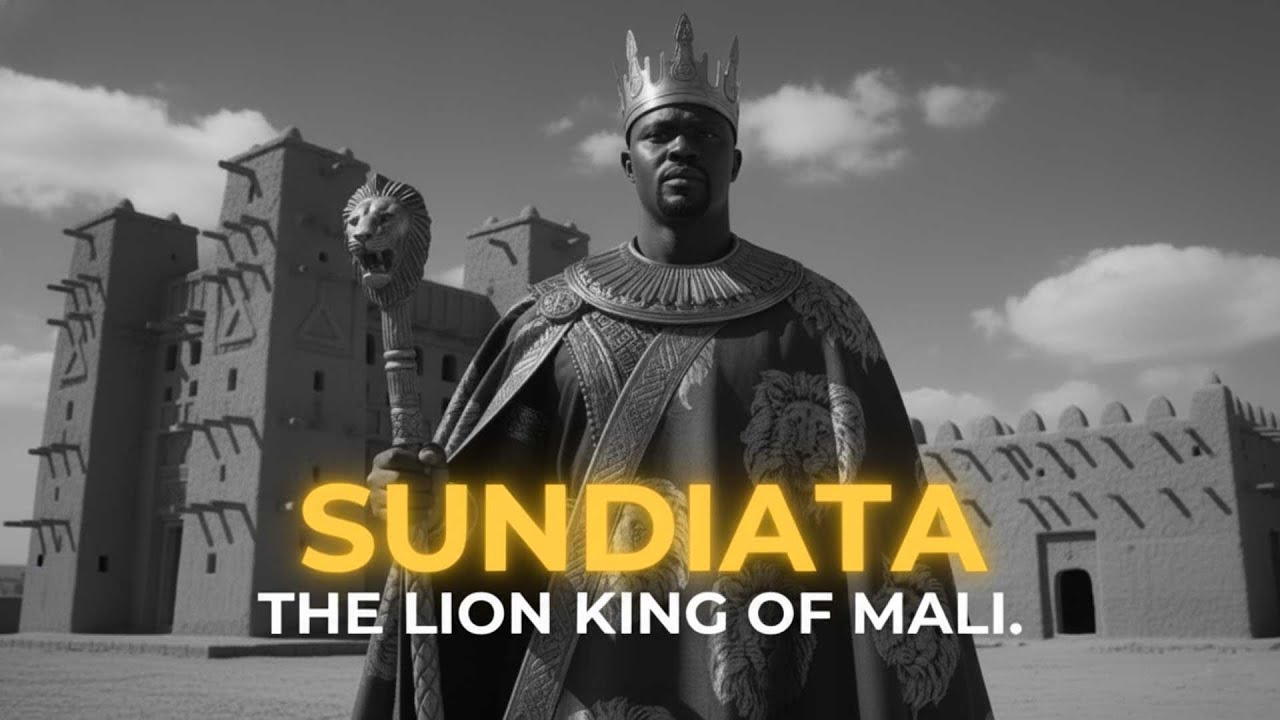
Sundiata Keita – The Lion King of Ancient Mali (Foundations of an Empire)
History Listeners
Overview
This video chronicles the epic life of Sundiata Keita, the founder of the Mali Empire. Born with a disability and facing immense adversity, Sundiata's journey from a mocked prince to a powerful ruler is a testament to fate, resilience, and the strength of the human spirit. The narrative details his early struggles, his mother's unwavering support, his forced exile, and his eventual triumphant return to unite warring kingdoms and establish one of West Africa's greatest civilizations. The story highlights themes of overcoming obstacles, the nature of true strength, and the power of destiny, all passed down through oral tradition.
How was this?
Save this permanently with flashcards, quizzes, and AI chat
Chapters
- A prophecy foretold that a disabled child, Sundiata, would become the greatest king of Mali.
- His mother, Soalon Conde, was an outcast chosen for her spiritual connection to the buffalo of D.
- Sundiata was born unable to walk, leading to mockery and doubt from the court, especially from his stepmother, Sassuma Berete.
- Despite his physical challenges, Sundiata developed a sharp intellect and learned about power dynamics by observing his father's court.
This chapter establishes the central conflict and Sundiata's destiny, showing how even from the most disadvantaged beginnings, greatness can be foretold and pursued.
The mystic hunters presenting King Magan Konate with a prophecy about a son born to an 'ugly' woman who would unite the land.
- Sundiata's mother, Soalon, faced public humiliation, particularly regarding the need to beg for baobab leaves.
- Witnessing his mother's distress, a 7-year-old Sundiata, with immense willpower, stood up for the first time, using an iron staff for support.
- He then walked and miraculously uprooted a baobab tree, symbolizing his newfound strength and ability to provide for his mother.
- This event solidified the prophecy in the eyes of the court, but also intensified the fear and plotting of Sassuma Berete.
This pivotal moment demonstrates Sundiata's extraordinary determination and the physical manifestation of his destiny, shifting him from a figure of pity to one of awe and threat.
Sundiata demanding an iron staff from the blacksmith and using it to pull himself up, bending the metal with his strength as he took his first steps.
- Sassuma Berete, fearing Sundiata's claim to the throne, conspired with King Magan's advisors and sorcerers to eliminate him.
- King Magan, despite his love for Sundiata, ultimately chose tradition and named his elder son, Dankaran Tuman, as heir, fearing civil war.
- Sundiata and his mother, Soalon, were forced into exile to escape assassination plots orchestrated by Sassuma and the new king, Dankaran.
- During years of wandering, Sundiata learned humility, patience, and the complexities of West African politics, building crucial relationships.
This period forged Sundiata's character, teaching him invaluable lessons about leadership, hardship, and the importance of alliances, preparing him for his eventual return.
Sundiata and his family being turned away by the King of Jebber due to threats from Sassuma, forcing them to continue their difficult journey.
- While Sundiata was in exile, a powerful sorcerer king named Sumanguru Kante of the Sooso kingdom began a brutal campaign of conquest.
- Sumanguru used military force and dark magic to subjugate numerous kingdoms, creating a vast and terrifying empire.
- He eventually conquered Nani, forcing Sundiata's half-brother, King Dankaran Tuman, to flee.
- Sumanguru's tyranny created widespread suffering and despair among the Mandinka people, who began to remember the prophecy of Sundiata.
This chapter introduces the primary antagonist and the dire circumstances that create the urgent need for Sundiata's return, setting the stage for the ultimate conflict.
Sumanguru's demands on King Dankaran, including the humiliating requirement to send Sundiata's griot, Bala Fas, as a hostage.
- Messengers recalled Sundiata from exile, urging him to return and fulfill the prophecy to save his people.
- Sundiata's mother, Soalon, died before he could embark on his campaign, leaving him with her final words of wisdom and a deep sense of purpose.
- With the support of King Tunara of Mima, Sundiata began assembling an army by calling upon the friendships and alliances forged during his exile.
- He promised a new confederation of equals, a revolutionary concept in an era of conquest, attracting diverse allies including hunters and warriors.
This section details Sundiata's strategic preparation and the formation of his loyal army, emphasizing that true leadership is built on trust, shared vision, and repaying debts.
Sundiata's promise to allies that any kingdom helping him defeat Sumanguru would be part of a new alliance of equals, not conquered subjects.
- Bala Fas, Sundiata's griot, escaped from Sumanguru's captivity, bringing crucial intelligence about the sorcerer king's vulnerability: a white rooster's spur.
- Sundiata's army, though smaller, was highly motivated, fighting for freedom against Sumanguru's fear-driven forces.
- In the pivotal Battle of Kirina, Sundiata used an arrow tipped with the rooster spur to wound Sumanguru, breaking his magical invincibility.
- Sumanguru fled, his army collapsed, and Sundiata's victory led to the liberation of the Mandinka people and the foundation of the Mali Empire.
This chapter culminates in the decisive battle where Sundiata, armed with knowledge and courage, defeats a seemingly invincible foe, establishing his rule and fulfilling the ancient prophecy.
The creation and use of a special arrow tipped with a white rooster's spur to wound Sumanguru, shattering his magical defenses.
Key takeaways
- True strength comes not just from physical ability but from resilience, intellect, and unwavering determination.
- Adversity and hardship can forge character and provide invaluable lessons for future leadership.
- The power of prophecy and destiny can inspire individuals to overcome seemingly insurmountable obstacles.
- Loyalty, friendship, and the fulfillment of debts are crucial foundations for building a strong alliance and a successful movement.
- Leadership requires not only courage and vision but also humility, empathy, and a commitment to justice.
- Even the most formidable power can have a specific, often unexpected, vulnerability.
- Oral traditions and griots play a vital role in preserving history, culture, and the legacies of great leaders.
Key terms
Sundiata KeitaMali EmpireSoalon CondeSassuma BereteDankaran TumanSumanguru KanteGriotProphecyExileBaobab TreeSooso KingdomBattle of KirinaWhite Rooster Spur
Test your understanding
- How did Sundiata's early life challenges shape his eventual leadership qualities?
- What role did Soalon Conde play in Sundiata's survival and eventual rise to power?
- Explain the significance of the prophecy in the context of Sundiata's life and the founding of the Mali Empire.
- How did the oral tradition, particularly the role of griots, contribute to the preservation and transmission of Sundiata's story?
- What strategic and personal factors enabled Sundiata to defeat the seemingly invincible Sumanguru Kante?