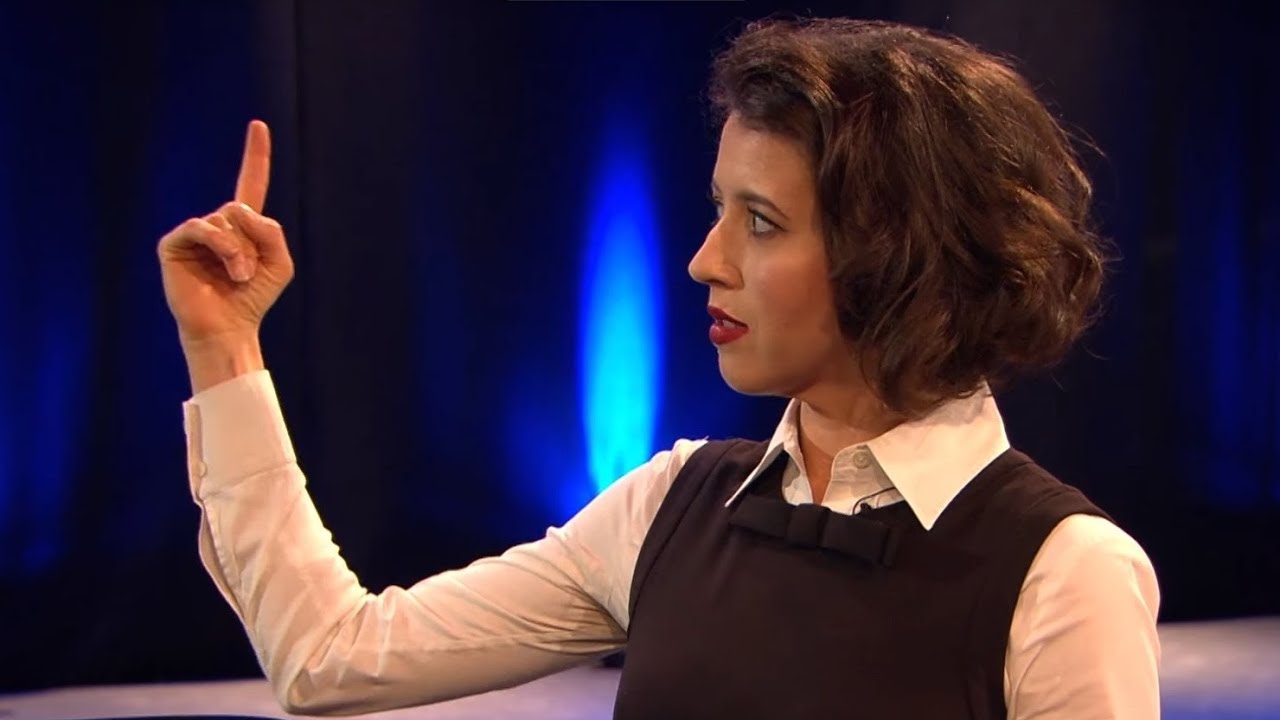
Why Lucia di Lammermoor is one of opera's most challenging roles (The Royal Opera)
Royal Ballet and Opera
Overview
This video explores the immense vocal and dramatic challenges of the soprano role in Gaetano Donizetti's opera, Lucia di Lammermoor. It highlights how the Bel Canto style, characterized by virtuosic singing and individual moments for each character, culminates in an extended, demanding finale for the protagonist. The discussion emphasizes the need for a soprano to convey intense psychological turmoil, including madness and pain, through nuanced vocal techniques, dynamic contrasts, and expressive acting, rather than mere screaming. The collaboration between the singer and director is crucial in finding a balance between vocal beauty and dramatic intensity, making Lucia one of opera's most iconic and difficult roles.
Save this permanently with flashcards, quizzes, and AI chat
Chapters
- Bel Canto opera gives each character a moment to shine, showcasing vocal virtuosity.
- Lucia di Lammermoor is particularly demanding due to its extended final scene for the soprano.
- The role requires the singer to express a wide range of intense emotions and psychological states.
- Singing Lucia requires conveying acute attacks of pain and psychological distress.
- The challenge lies in expressing madness without sounding like screaming.
- Achieving this balance involves precise control over dynamics, using sudden shifts from loud (forte) to soft (pianissimo) and employing specific vocal attacks.
- Every musical element—dynamics, tempo changes, coloratura—is integral to Lucia's descent into madness.
- The singer's performance must reflect the character's psychological state, such as seeing ghosts or feeling pain.
- Effective staging requires the singer to interact with imaginary elements (like ghosts) and other characters, often requiring intense focus and off-kilter stage presence.
- Singers must 'swim inside the music,' feeling its flow and emotional arc.
- The goal is to 'fly with the music,' conveying a sense of freedom and emotional immersion.
- This deep connection allows for a more impactful and authentic performance.
Key takeaways
- Lucia di Lammermoor is a pinnacle of Bel Canto repertoire due to its extreme vocal and dramatic demands.
- Portraying Lucia's madness requires a delicate balance between vocal power, technical precision, and expressive acting.
- Dynamic contrasts and nuanced vocal attacks are essential tools for conveying psychological distress without resorting to uncontrolled screaming.
- The singer's ability to deeply connect with and interpret the music is crucial for embodying Lucia's emotional journey.
- Collaboration between the singer and director is vital for realizing the complex character and staging requirements.
- Every musical element in Lucia's score serves to illustrate her deteriorating mental state.
Key terms
Test your understanding
- What makes the final scene of Lucia di Lammermoor particularly challenging for a soprano?
- How does a singer balance the need to convey madness with the requirement of beautiful vocal technique in this role?
- Why is it important for the singer to have a deep connection with the music when performing Lucia?
- What role does collaboration with the director play in interpreting Lucia's character and staging?
- How do specific musical elements like dynamics and coloratura contribute to portraying Lucia's psychological state?