30:40
11 Of The Most Faked Foods In The World | Big Business | Business Insider Marathon
Business Insider
Overview
This video explores the widespread issue of food fraud, where expensive and desirable food products are counterfeited for profit. It details how common items like truffle oil, maple syrup, wasabi, Parmesan cheese, vanilla, caviar, honey, olive oil, wagyu beef, coffee, saffron, and even spices are faked using cheaper ingredients or synthetic compounds. The video explains the motivations behind this multi-billion dollar industry, the methods used by counterfeiters, and offers advice to consumers on how to identify genuine products and avoid being deceived.
How was this?
Save this permanently with flashcards, quizzes, and AI chat
Chapters
- Many expensive and popular foods are faked, driven by the profit motive.
- Food fraud can range from legal but deceptive labeling to illegal criminal operations.
- The global fraudulent food industry is estimated to be worth $40 billion.
- Consumers can be ripped off or, in worst cases, exposed to health risks.
Understanding the scale and motivations behind food fraud helps consumers become more aware and critical of the products they purchase.
Imitation maple syrup, which contains no maple sap, floods the market, while real maple syrup is expensive due to the labor-intensive process of collecting sap.
- Truffle oil is typically synthesized in a lab using petroleum-derived compounds and has no real truffle content.
- Real truffles are rare, require specific growing conditions, and are difficult to farm, making them expensive.
- Maple syrup fraud often involves substituting real maple sap with corn syrup, caramel color, and artificial flavors.
- Legally labeled 'pancake' or 'table' syrup is imitation, while '100%' or 'pure' labels indicate real maple syrup.
These examples highlight how even luxury items and breakfast staples can be convincingly faked, often with synthetic ingredients that mimic the original flavor.
Truffle oil is often made with 2,4-Dithiapentane, a synthetic compound also found in foot odor, to replicate the earthy aroma.
- Most 'wasabi' is a mixture of horseradish, sweetener, and starch, as real wasabi is extremely difficult and expensive to cultivate.
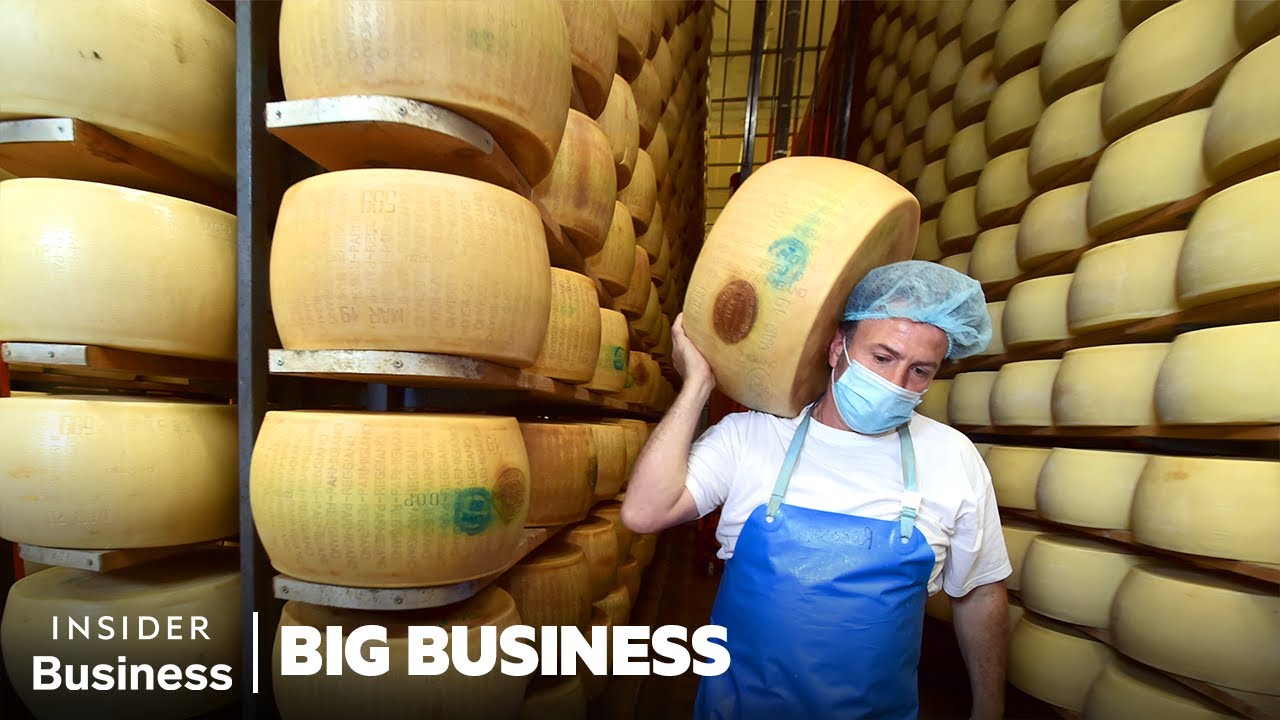
- Parmigiano-Reggiano has strict production rules, limited to a specific region in Italy and requiring at least a year of aging.
- American 'Parmesan' can be made with fillers like cellulose (wood pulp) and aged for less time, and labeling rules are less stringent.
- Authentic Parmigiano-Reggiano is identified by dotted text spelling out the name on the rind and a DOP label.
These cases demonstrate how strict geographical and production regulations define authentic products, and how variations in these rules allow for less authentic, cheaper versions to be sold.
American-made Parmesan cheese can legally contain fillers like rice flour or cellulose, with some products found to have nearly double the suggested cellulose limit.
- Most vanilla products use artificial vanillin derived from petroleum or clove oil, as real vanilla cultivation and processing are labor-intensive and costly.
- Fake vanilla can be dangerous, as seen with tonka bean products containing toxic coumarin.
- Caviar is counterfeited using eggs from cheaper fish or by mislabeling lower-grade caviar due to its high market value and difficulty in distinguishing visually.
- Honey fraud is rampant, with fake honey often made from corn syrup and other sugars, sometimes with pollen removed to prevent traceability.
These examples show how high prices and complex supply chains make valuable products like vanilla, caviar, and honey prime targets for sophisticated fraud, sometimes with serious health implications.
Fake vanilla products in Mexico were found to be made from tonka beans, containing coumarin, a toxic substance banned in the US.
- Olive oil is often faked by mixing cheaper oils like soybean or vegetable oil with lower-grade olive oil, or even just labeling blends as extra-virgin.
- Authentic extra-virgin olive oil has specific sensory characteristics (fruity, grassy smell) and should have a recent pressed-on date.
- Wagyu beef in the US may not be 100% pure Wagyu due to cross-breeding, and USDA regulations allow for lower percentages to be labeled as Wagyu.
- Coffee can be adulterated with cheaper beans, acorns, barley, or wheat, making origin tracking difficult.
These everyday luxury items are susceptible to fraud through diluted authenticity or outright substitution, making it crucial to scrutinize labels and origins.
A commercial for an Arby's wagyu burger revealed it contained only 51% American wagyu, highlighting how the term 'wagyu' can be misleading.
- Saffron, the world's most expensive spice, is often faked with materials like hay, horsehair, or coconut filaments.
- Food fraud represents pure economic loss for consumers and legitimate businesses.
- Health risks are significant, especially for those with allergies or when banned substances are present in counterfeit products.
- Organized crime rings operate sophisticated operations to produce and distribute fake foods, often exploiting loopholes in international supply chains and weak enforcement.
The economic and health consequences of food fraud are substantial, impacting consumers, legitimate producers, and even posing risks to public health, while organized crime thrives on weak oversight.
Some counterfeit honey has been found to contain banned drugs and carcinogens, posing a direct health threat.
- Consumers can combat fraud by buying whole, unprocessed foods and carefully checking ingredient lists and labels.
- Purchasing from local producers or farmers' markets can increase confidence in authenticity.
- Tougher laws, stricter penalties, and technologies like blockchain for supply chain tracking are needed to deter counterfeiters.
- Consumer demand for cheaper products inadvertently fuels the food fraud market; choosing quality over low price is essential.
While systemic changes are necessary, consumers hold significant power through their purchasing decisions and by demanding transparency and accountability from producers and regulators.
Buying raw honey directly from a local beekeeper at a farmers' market is often a more reliable way to ensure authenticity than purchasing mass-produced honey.
Key takeaways
- Food fraud is a massive global industry driven by profit, often involving sophisticated criminal organizations.
- Many everyday and luxury food items, from maple syrup to wagyu beef, are frequently counterfeited using cheaper ingredients or synthetic substitutes.
- Labeling can be intentionally misleading; always scrutinize terms like 'blend,' 'flavoring,' or 'artificial' versus 'pure' or 'authentic.'
- The risks of food fraud extend beyond economic loss to potential health hazards, especially for individuals with allergies or sensitivities.
- Identifying real products often involves looking for specific origin certifications, sensory cues (smell, texture), and understanding the labor-intensive processes behind genuine goods.
- Consumers have power through informed purchasing decisions: prioritize quality, buy whole foods, and support local producers when possible.
- Systemic solutions like stricter regulations, harsher penalties for offenders, and supply chain transparency technologies are crucial to curb food fraud.
Key terms
Food FraudCounterfeit FoodAdulterationSynthetic CompoundsLabeling RegulationsSupply ChainParmigiano-ReggianoExtra-Virgin Olive OilWagyu BeefBlockchain
Test your understanding
- What are the primary motivations behind the widespread issue of food fraud?
- How do counterfeiters typically create fake truffle oil and what makes it different from real truffles?
- Why is it difficult to produce and identify authentic wasabi, and what is most 'wasabi' actually made of?
- What are the key differences in production and labeling between authentic Parmigiano-Reggiano and American-style Parmesan cheese?
- How can consumers use sensory cues and label information to better identify genuine products like olive oil or vanilla extract?