10:02
why dating SUCKS for Gen Z | silent treatment, situationships & heartbreak
Jinju Lee 이진주
Overview
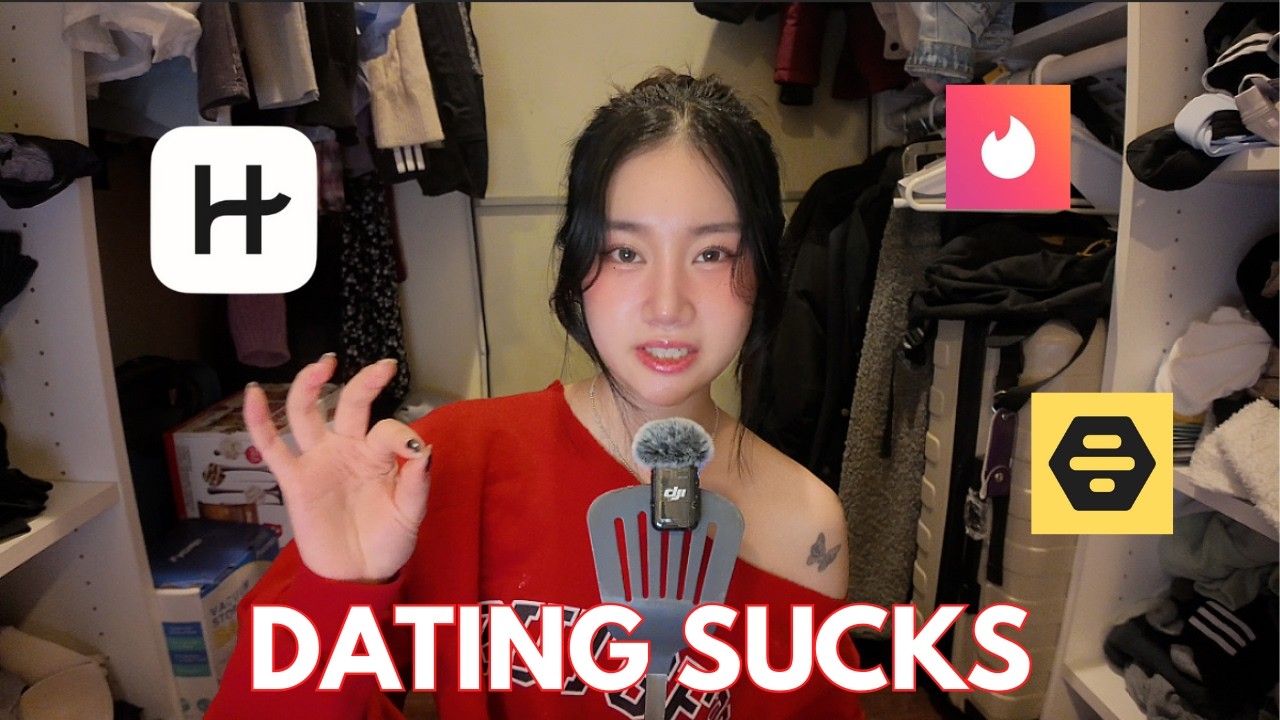
This video explores the unique challenges Gen Z faces in modern dating, moving beyond traditional romance to navigate digital complexities like dating apps, ghosting, and situationships. It delves into the psychological reasons behind these trends, such as dopamine-driven swiping, the paradox of choice, and the fear of vulnerability. The speaker argues that while Gen Z is more mentally aware, this awareness can also lead to anxiety and overthinking, making genuine connection feel elusive. Ultimately, the video suggests that love isn't doomed but is evolving, with Gen Z learning to set boundaries and communicate their needs in a hyper-stimulated digital world.
How was this?
Save this permanently with flashcards, quizzes, and AI chat
Chapters
- Gen Z grew up with idealized notions of love, characterized by intentionality and deep connection.
- Modern dating, particularly for Gen Z, feels significantly more confusing, messy, and lonely than in previous generations.
- The digital age has fundamentally altered how people approach and experience romantic relationships.
Understanding the shift from idealized romance to modern dating realities helps contextualize the struggles Gen Z experiences in finding meaningful connections.
The speaker contrasts the romantic ideal of keeping love letters in a shoebox with the current reality of dating app interactions.
- Dating apps are designed to be addictive, triggering dopamine releases similar to gambling, leading users to swipe for a hit rather than connection.
- The 'paradox of choice' on these apps makes decision-making harder and satisfaction lower, as users constantly wonder if there's someone 'better'.
- Users often fall for curated online personas rather than authentic individuals, creating unrealistic expectations.
This chapter explains how the very design of dating platforms can hinder genuine connection and foster dissatisfaction, contributing to dating difficulties.
The speaker explains that people swipe on apps for a dopamine hit, comparing it to eating too much bread even when knowing it's unhealthy but doing it because it feels good.
- Ghosting, the act of abruptly ceasing communication without explanation, is a prevalent breakup method among Gen Z.
- This behavior activates similar brain regions to physical pain and creates an 'ambiguous loss,' which is harder to grieve than a clear breakup.
- Ghosting is often an avoidance strategy rooted in fear of confrontation or hurting others, ironically causing more emotional distress.
Understanding ghosting highlights the emotional toll of unresolved endings and the underlying anxieties that drive this common, yet hurtful, dating behavior.
The speaker describes the experience of seeing a story view but receiving no reply to messages after a date, illustrating the silence of ghosting.
- Gen Z is highly aware of mental health issues, discussing topics like anxiety, depression, and attachment styles openly.
- This heightened awareness can lead to hyper-vigilance towards 'red flags' and overthinking, causing dating anxiety.
- Many Gen Z individuals feel overwhelmed by life's pressures (school, work, finances), making dating feel like an additional burden.
This section explains how Gen Z's increased mental health literacy, while beneficial, can paradoxically create new anxieties and barriers in the dating process.
The speaker recounts a date where the conversation immediately began with 'What's your attachment style?' instead of a typical greeting.
- Even when encountering kind and emotionally safe partners, Gen Z may pull away due to fear.
- Genuine love can act as a mirror, reflecting unresolved personal issues and past traumas, which can be intimidating.
- Protecting emotional wounds often feels safer than engaging in the difficult work of personal growth required by a healthy relationship.
This chapter addresses the counterintuitive fear of healthy relationships, suggesting that personal healing is a prerequisite for receiving and sustaining love.
The speaker notes that a good person can feel 'too much, too honest, too close, too real' when one is still healing, leading to avoidance.
- Despite the challenges, love is not doomed for Gen Z; it is actively evolving.
- The generation is learning to set boundaries, improve communication, and clarify their own desires in relationships.
- Gen Z is finding ways to foster genuine connection amidst digital overstimulation and the pressure to remain casual.
This concluding chapter offers a hopeful perspective, emphasizing Gen Z's resilience and capacity to redefine and find love in contemporary society.
The speaker mentions the shift from writing love letters to figuring out how to love in a time of screens and silence, highlighting adaptation.
Key takeaways
- Dating apps are designed to maximize engagement through dopamine triggers, often at the expense of fostering genuine connection.
- The paradox of choice leads to dissatisfaction and a constant search for better options, even when a good match is found.
- Ghosting is a common but emotionally damaging practice stemming from avoidance, causing ambiguous loss that is difficult to process.
- Gen Z's high mental health awareness can create anxiety and overthinking in dating, making them hyper-aware of potential issues.
- Fear of vulnerability and confronting personal issues can cause individuals to sabotage potentially healthy relationships.
- Love for Gen Z is not disappearing but is transforming, with a growing emphasis on boundaries, self-awareness, and intentional communication.
- Navigating modern dating requires resilience and a willingness to adapt traditional notions of romance to the digital landscape.
Key terms
Gen ZDating AppsDopamine SystemParadox of ChoicePersonaGhostingAmbiguous LossRed FlagsAttachment StyleSituationship
Test your understanding
- How do dating apps leverage psychological principles like dopamine release and the paradox of choice to influence user behavior?
- What is 'ambiguous loss' and why is it considered more difficult to cope with than a clear breakup in the context of ghosting?
- In what ways does Gen Z's heightened mental health awareness contribute to both challenges and potential solutions in modern dating?
- Why might someone fear or pull away from a genuinely good and emotionally safe partner, according to the video?
- How is the concept of love evolving for Gen Z, and what strategies are they employing to find connection in the digital age?