8:21
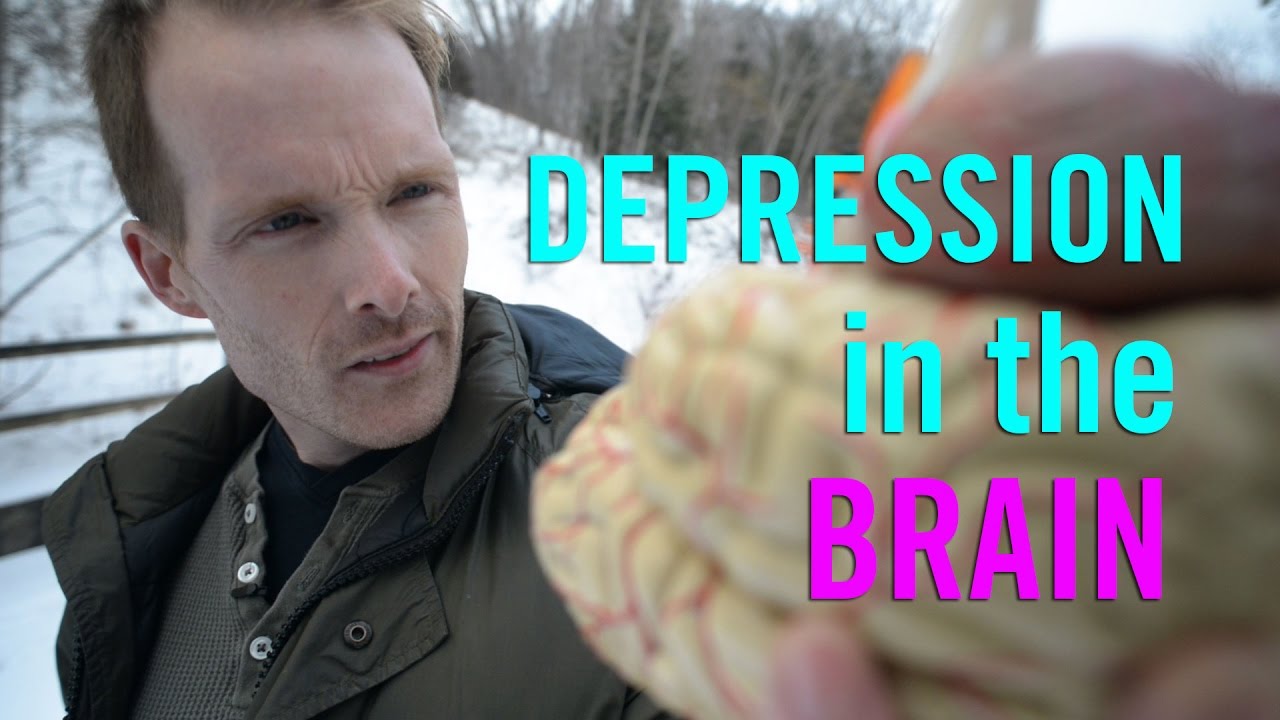
Depression in the Brain: the Biology of Depression
Bryce Sage
Overview
This video explores the biological underpinnings of depression, moving beyond the simplistic "chemical imbalance" theory. It highlights how advanced brain imaging techniques like PET scans reveal complex changes, including inflammation and altered neural pathways, particularly in the amygdala and hippocampus. The discussion emphasizes the variability in depressive biology across individuals, suggesting that depression may be a byproduct of various underlying issues like chronic stress and trauma, and underscoring the need for more personalized treatment approaches.
How was this?
Save this permanently with flashcards, quizzes, and AI chat
Chapters
- Depression is often perceived subjectively, but its biological basis is complex and not easily visible.
- The traditional 'chemical imbalance' theory, stemming from early antidepressant drug discoveries, is an oversimplification.
- Modern neuroscience uses advanced imaging to investigate the brain's intricate systems and identify biological markers of depression.
This chapter sets the stage by explaining why a deeper, biological understanding of depression is necessary and how current technology is enabling this exploration.
The analogy of a broken leg (visible fracture) versus depression (seemingly invisible) illustrates the challenge of diagnosing and understanding depression biologically.
- PET scans can detect specific molecules in the brain, including markers for inflammation.
- Studies show a significant increase (around 30%) in brain inflammation markers in individuals experiencing clinical depression compared to healthy controls.
- Higher degrees of inflammation correlate with the severity of depression, suggesting a link between inflammation and depressive symptoms.
Identifying inflammation as a potential biological correlate of depression opens up new avenues for understanding its causes and developing targeted treatments.
A study comparing 20 healthy individuals with 20 depressed individuals found a 30% rise in an inflammation marker in the gray matter of the depressed group.
- The amygdala, crucial for threat detection and fear response (fight or flight), may be overactive in individuals prone to depression.
- This hyper-reactivity can occur even in the absence of actual danger, indicating a heightened sensitivity to potential stressors.
- Chronic stress can lead to physical changes in the amygdala, including enlargement and increased connectivity with primitive brain regions, while weakening connections to regulatory areas like the prefrontal cortex.
Understanding the amygdala's overactivity due to chronic stress helps explain the persistent anxiety and worry characteristic of depression, and how the brain prioritizes threat detection over other functions.
The brain's wiring can change under prolonged stress, making the amygdala a stronger driver of behavior, prioritizing immediate threat responses over rational control.
- The hippocampus, vital for memory regulation, shows a consistent reduction in volume in individuals with depression.
- This shrinkage worsens with repeated depressive episodes, directly impacting memory performance.
- A smaller hippocampus is less effective at regulating the overactive amygdala, perpetuating a cycle of stress and anxiety.
This chapter explains the link between depression and memory problems, and how the hippocampus's reduced function contributes to the cyclical nature of the disorder.
Repeated depressive episodes can lead to a shrinking hippocampus, which impairs memory and reduces its ability to 'put the brakes' on the amygdala's stress response.
- Depression is highly variable, with potentially 5-10 different underlying biological mechanisms.
- Identifying these specific biological profiles is key to developing more effective, targeted treatments.
- Understanding one's own symptoms and history can help 'reverse engineer' potential causes and guide treatment choices.
- Currently, there is no standardized biological test for depression, making self-monitoring and personalized approaches crucial.
This concluding section emphasizes that effective treatment requires recognizing the unique biological signature of depression in each individual, moving towards a future of personalized medicine.
Doctors aim to develop treatments based on identifying key biological differences, similar to how different types of cancer are treated with specific therapies.
Key takeaways
- Depression is a complex biological condition with varied manifestations, not simply a 'chemical imbalance'.
- Brain inflammation is a measurable biological marker associated with clinical depression.
- Chronic stress can lead to structural and functional changes in the amygdala, increasing sensitivity to threats.
- The hippocampus plays a role in memory and stress regulation, and its shrinkage in depression contributes to cognitive deficits and a perpetuating stress cycle.
- The variability in depressive biology necessitates personalized treatment strategies tailored to individual needs.
- Understanding the specific biological underpinnings of an individual's depression is crucial for effective intervention.
Key terms
DepressionNeurotransmittersChemical imbalancePET scannerTracerBrain inflammationAmygdalaHippocampusPrefrontal cortexPersonalized medicine
Test your understanding
- How does brain inflammation relate to the severity of depressive symptoms?
- What is the role of the amygdala in depression, and how does chronic stress affect it?
- Why is the shrinkage of the hippocampus a significant finding in understanding depression?
- What are the limitations of the 'chemical imbalance' theory in explaining depression?
- How can understanding the individual biological basis of depression lead to better treatment outcomes?