23:30
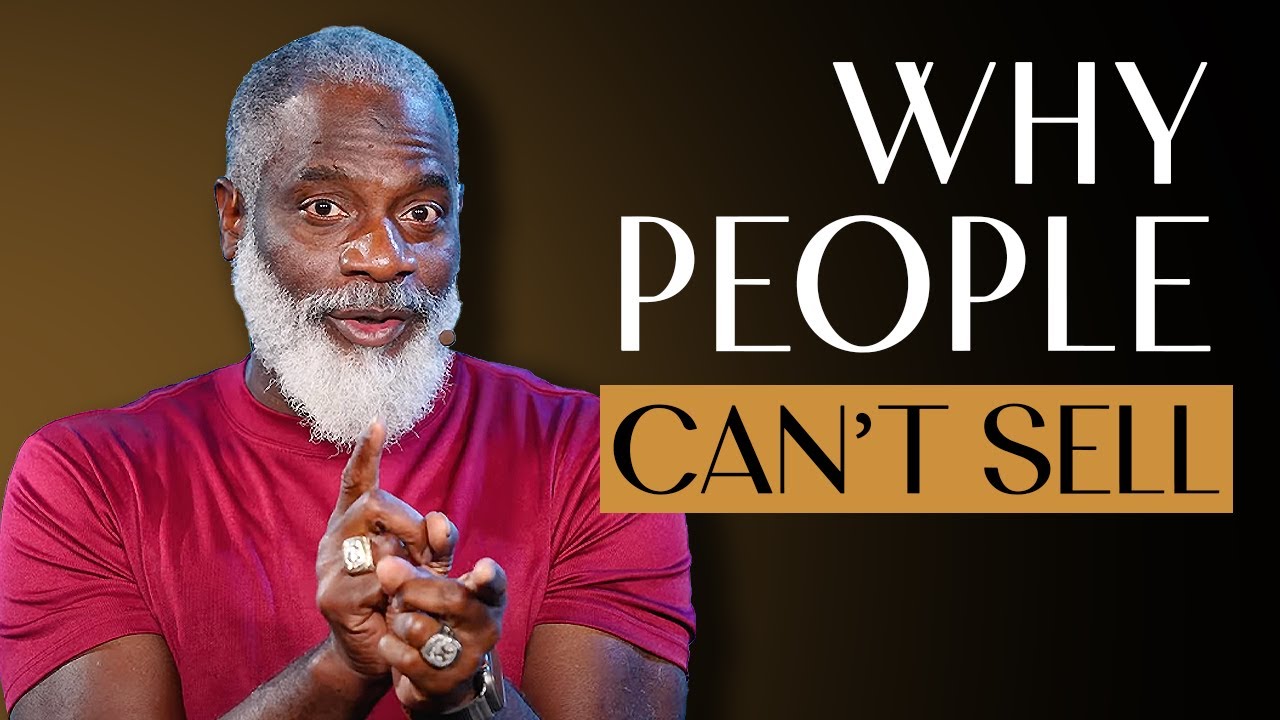
You Will Never Be Able To Sell Until…
Myron Golden
Overview
This video explains a sales philosophy centered on serving the customer and building trust over time, rather than pressuring them to buy. The speaker, who struggled initially, shares how shifting focus from 'making a sale' to 'providing value' transformed his success. Key strategies include leveraging the law of averages, pre-indoctrination through consistent content, and understanding that customers already exist who need what you offer. The emphasis is on becoming findable and letting customers come to you, fostering a relationship where they feel compelled to buy because of the value received.
How was this?
Save this permanently with flashcards, quizzes, and AI chat
Chapters
- The biggest mistake new salespeople make is being overly focused on the customer buying.
- This urgency stems from a personal need for the sale, which is off-putting to customers.
- True sales success comes from genuinely not caring if the immediate sale happens.
Understanding this core mistake helps reframe your mindset from desperation to service, which is crucial for building long-term trust and sales.
The speaker shares his own experience of taking nearly two years to make his first sale because he was focused on the transaction, not the customer's needs.
- The law of averages states that a certain number of presentations will result in a certain number of sales.
- Salespeople can increase their average by increasing the number of presentations or improving conversion rates.
- Pre-indoctrination, or teaching customers about their desired outcomes before offering a solution, significantly increases the likelihood of a sale.
These concepts provide a statistical and psychological framework for understanding sales performance and improving it without resorting to high-pressure tactics.
Instead of selling directly, the speaker creates numerous YouTube videos (content value) that educate viewers on transformations they desire, building trust before any offer is made.
- Customers need to 'know, like, and trust' a seller before they buy, which takes time and consistent interaction.
- Research suggests it takes about seven hours of engagement for this trust to build.
- Consistent, value-driven content (like daily YouTube videos) allows potential customers to spend thousands of hours with you, fostering deep familiarity.
This highlights the power of consistent content creation as a long-term strategy for building a loyal audience and a predictable sales pipeline.
People who have never met the speaker call him 'Uncle myON,' demonstrating the deep sense of familiarity and trust built through his extensive YouTube content.
- The speaker compares himself to a farmer who plants seeds and trusts the process to yield a harvest.
- He focuses on sowing good seeds (valuable content) without demanding immediate results.
- This approach creates a sense of obligation in the audience, who feel indebted and are more receptive to paid offers later.
This analogy shifts the focus from transactional selling to a long-term, nurturing approach that builds goodwill and future sales opportunities.
The speaker provides free, high-value content daily, leading people to think, 'I can't believe he's teaching this for free,' which primes them to pay for more.
- The breakthrough in sales is to serve people and help them achieve their desired results.
- Focusing on the customer's transformation, rather than their money, naturally leads to sales.
- Making yourself findable ensures that people who need your solution discover you.
Prioritizing service over personal gain is not only ethical but also the most effective strategy for sustainable business growth and attracting customers.
A customer who read the speaker's book and implemented its advice made $800,000 and then willingly purchased a $15,000 coaching program because of the value received.
- To be a better seller, become a better buyer by having a positive attitude when being sold to.
- Happy payers create happy customers, as everything reproduces after its kind.
- Selling to groups (e.g., webinars) is more efficient than one-on-one, especially for offers under $5,000.
Improving your own buying experience and adopting group sales strategies can significantly enhance your efficiency and effectiveness in sales.
The speaker describes his positive interaction with a tailor, Tiffany, whom he bought $26,000 worth of suits from, not because of her pitch, but because he already needed a tailor.
- Sales is about persuasion, not convincing; convincing implies a lack of skill.
- Effective closing involves answering all questions thoroughly and asking clarifying questions to guide the prospect.
- The goal is to help the prospect self-qualify and make the decision, not to pressure them.
Mastering a closing sequence that focuses on the customer's needs and decision-making process, rather than overcoming objections, leads to more confident and successful sales.
The speaker's closing technique involves asking what they liked best, what questions they have (and answering them), and then asking about their preference for sooner or later benefits, culminating in asking for their name spelling to finalize the sale.
Key takeaways
- Shift your sales focus from 'making a sale' to 'serving the customer's needs and desired transformation'.
- Leverage the law of averages by consistently putting yourself in front of potential customers.
- Build deep trust and familiarity through regular, value-driven content creation, allowing customers to 'know, like, and trust' you over time.
- Treat every piece of content and interaction as sowing seeds for future growth, rather than demanding immediate returns.
- Become a better buyer yourself to understand the customer's perspective and experience.
- Group selling (webinars, challenges) is more efficient for lower-priced offers, while high-ticket items may require one-on-one closing.
- Effective closing is about guiding the customer to their own decision by answering questions and clarifying their needs, not about convincing or overcoming objections.
Key terms
Law of AveragesPre-IndoctrinationKnow, Like, TrustValue-Based ContentSowing SeedsServing vs. SellingPersuasion vs. ConvincingGroup SellingClosing Sequence
Test your understanding
- What is the primary mistake new salespeople make, and why is it detrimental?
- How does the 'law of averages' influence a salesperson's mindset and strategy?
- Explain the concept of 'pre-indoctrination' and how it increases sales conversion.
- Why is consistent content creation essential for building customer trust and long-term sales success?
- Describe the speaker's recommended closing sequence and its underlying principles.