9:52
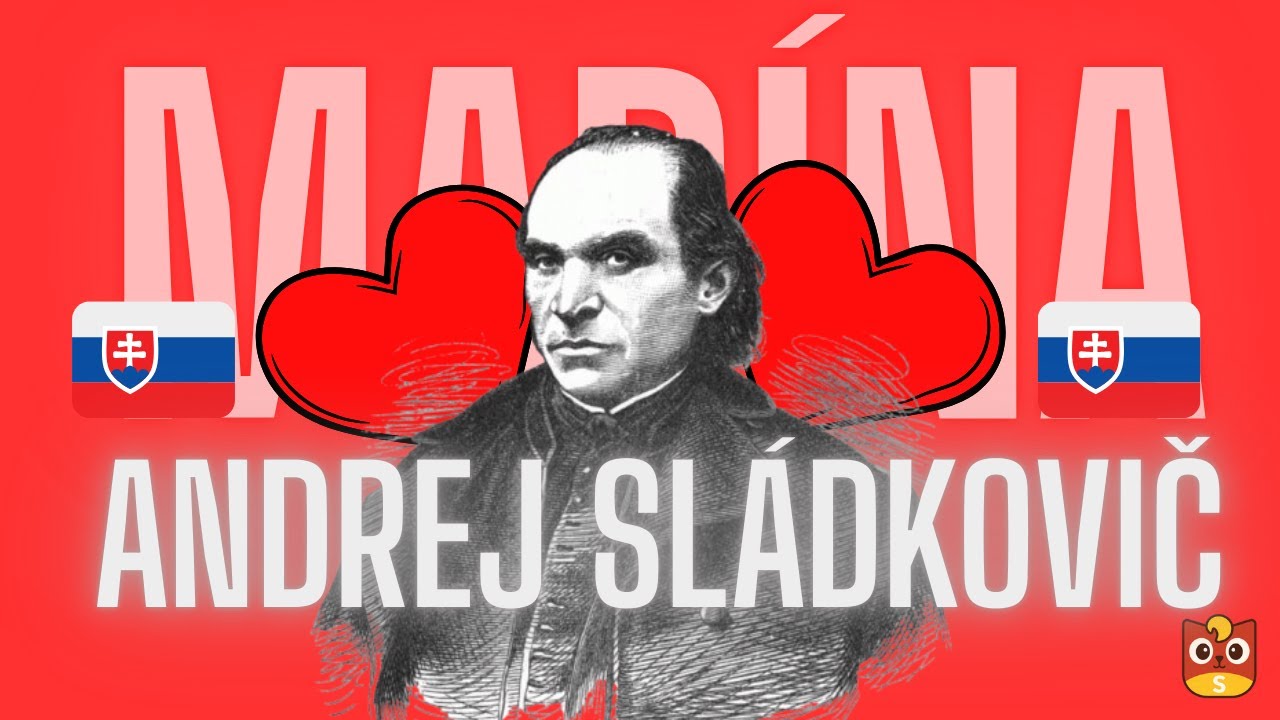
Marína - Andrej Sládkovič, rozbor diela, Slávy dcéra vs. Marína
Študentíci
Overview
This video explores the life and work of Andrej Sládkovič, a significant figure in Slovak literature. It details his biography, from his birth and education to his career as a priest, poet, and cultural activist. The summary focuses on his most famous work, "Marína," analyzing its themes, composition, and historical context, particularly its innovative use of the Štúrovian language and its departure from purely patriotic themes to embrace personal love. The video also contrasts "Marína" with Ján Kollár's "Slávy dcéra," highlighting key differences in their portrayal of women and the balance between love for a woman and love for one's country.
How was this?
Save this permanently with flashcards, quizzes, and AI chat
Chapters
- Andrej Sládkovič, born Andrej Braxatoris in 1820, was a prominent Slovak poet, priest, and cultural figure.
- His education spanned several institutions, including the University of Halle, where he developed his philosophical thinking.
- He worked as a private tutor, during which he met Mária Píšlová, who became his muse for the poem "Marína."
- Sládkovič was a key figure in Slovak cultural life, co-founding the Matica slovenská and contributing to the establishment of the Slovak People's Theatre.
- He died in 1872, leaving a legacy recognized by institutions named in his honor.
Understanding Sládkovič's life provides context for his literary works, revealing how his personal experiences and intellectual development shaped his poetry.
His encounter with Mária Píšlová while working as a private tutor directly inspired his most famous work, "Marína."
- Sládkovič's poetry drew inspiration from his personal life, including love and conflicts.
- He was influenced by Ľudovít Štúr and was a prominent member of the Štúrovci movement.
- The "Sládkovič stanza" is characterized by its 10-verse structure.
- His significant works include "Detvan" and "Marína," as well as "Svätoplukove piesne" (also known as "Sväty v rodine Dušanovej"), which means "council of elders."
His distinct stanza form and thematic inspirations highlight his unique contribution to Slovak poetry and the development of its literary language.
The "Sládkovič stanza," consisting of 10 verses, is a defining structural element of his poetry.
- Published in 1846, "Marína" is a long, reflective love poem, considered the longest love poem in Slovak literature.
- It faced publication challenges because Sládkovič prioritized love for a woman over nationalistic themes, a departure from Štúr's ideals.
- The poem successfully synthesizes love for a woman with love for the homeland, demonstrating the potential of the Štúrovian language.
- "Marína" was the first artistic work published in the Štúrovian language, showcasing its literary capabilities.
- The poem's inspiration was Mária Píšlová, whom Sládkovič loved but who married another man, leading him to immortalize her in verse.
"Marína" is a landmark work that pushed the boundaries of Slovak literature by centering personal love and demonstrating the expressive power of the newly codified national language.
The poem's central theme is Sládkovič's profound love for Mária Píšlová, whom he sought to preserve in his poetry after losing her to marriage.
- The poem has an external structure of 291 stanzas, often called Sládkovič stanzas.
- Its internal composition involves the interweaving of key motifs: beauty, love for Marína, love for homeland, and youth.
- The poem explores the nuanced difference between "krása" (beauty, aesthetic value) and "peknota" (enchantment, infatuation).
- Sládkovič employs literary devices such as anaphora (repetition of "Ona" - She) and litotes (double negation, e.g., "Nemožno mi ťa neľúbiť" - I cannot not love you).
The detailed analysis of "Marína's" structure and literary devices reveals the poem's artistic depth and the poet's skillful use of language to convey complex emotions and ideas.
The repeated use of "Ona" (She) at the beginning of verses in the first stanza emphasizes the central figure of Marína.
- Both poems feature a woman and express love, with the women serving as prototypes.
- In Ján Kollár's "Slávy dcéra," Mína (representing Frederika Šmitová) is a guide, while in Sládkovič's "Marína," Marína is the center of life.
- The most significant difference lies in the balance of themes: Kollár equally divided love for woman and country, whereas Sládkovič prioritized love for his woman.
- This prioritization in "Marína" caused issues with Ľudovít Štúr, who favored nationalistic themes.
Comparing these two seminal works highlights different approaches to national identity, personal love, and literary expression within the Štúrovci movement.
While Kollár balanced love for his muse and homeland, Sládkovič placed his love for Marína at the forefront, a decision that initially complicated the poem's publication.
Key takeaways
- Andrej Sládkovič was a multifaceted literary and cultural figure whose personal life deeply influenced his poetry.
- "Marína" is a groundbreaking work for its focus on personal love and its masterful use of the Štúrovian literary language.
- Sládkovič's ability to synthesize personal affection with national sentiment, though controversial at the time, expanded the scope of Slovak literature.
- The poem "Marína" serves as a testament to the enduring power of love and its capacity to inspire profound artistic creation.
- Understanding the context of the Štúrovci movement is crucial for appreciating the significance and challenges faced by works like "Marína."
- Literary analysis involves examining not only themes but also structure, motifs, and specific linguistic devices like anaphora and litotes.
Key terms
Andrej SládkovičMarínaŠtúrovciĽudovít ŠtúrŠtúrovian languageSládkovič stanzaPoetic compositionLove lyricAnaphoraLitotes
Test your understanding
- What was the primary inspiration for Andrej Sládkovič's "Marína" and why was this significant?
- How did "Marína" differ from the nationalistic ideals promoted by Ľudovít Štúr, and what was the impact of this difference?
- What are the key differences in how "Marína" and "Slávy dcéra" portray the relationship between love for a woman and love for one's country?
- Explain the significance of "Marína" being the first artistic work published in the Štúrovian language.
- What literary devices did Andrej Sládkovič employ in "Marína," and how did they contribute to the poem's impact?