5:08
The Digestive System
Tom Doolan
Overview
This video explains the journey of food through the human digestive system, starting from the mouth and ending with expulsion. It details the mechanical and chemical processes involved in breaking down food, absorbing nutrients, and eliminating waste. Key organs like the stomach, small intestine, and large intestine are highlighted, along with essential functions such as churning, acid breakdown, nutrient absorption via villi, water extraction, and the role of gut bacteria. The process of peristalsis, which moves food along the digestive tract, is also explained.
How was this?
Save this permanently with flashcards, quizzes, and AI chat
Chapters
- Digestion starts with chewing, which breaks down food mechanically.
- Saliva, produced by glands, lubricates food and begins chemical breakdown.
- Peristalsis, muscle contractions, propels food through the digestive tract.
Understanding the initial steps in the mouth is crucial because proper mechanical and chemical preparation of food here significantly impacts the efficiency of digestion in later stages.
Teeth grinding food into smaller pieces and saliva moistening it for easier swallowing.
- The stomach is a muscular bag that churns and mixes food.
- Stomach acids break down food further and kill bacteria.
- A mucus lining protects the stomach walls from its own digestive acids.
The stomach's powerful churning and acidic environment are essential for breaking down complex food structures and sterilizing ingested material before it moves on.
The stomach walls secreting mucus to prevent self-digestion by strong acids.
- The small intestine is a long, coiled tube where most nutrient absorption occurs.
- Tiny projections called villi vastly increase the surface area for absorption.
- The pancreas neutralizes stomach acid, and bile from the liver aids fat digestion.
The specialized structure of the small intestine, with its villi and accessory organ secretions, is optimized for extracting the maximum nutritional value from the food we consume.
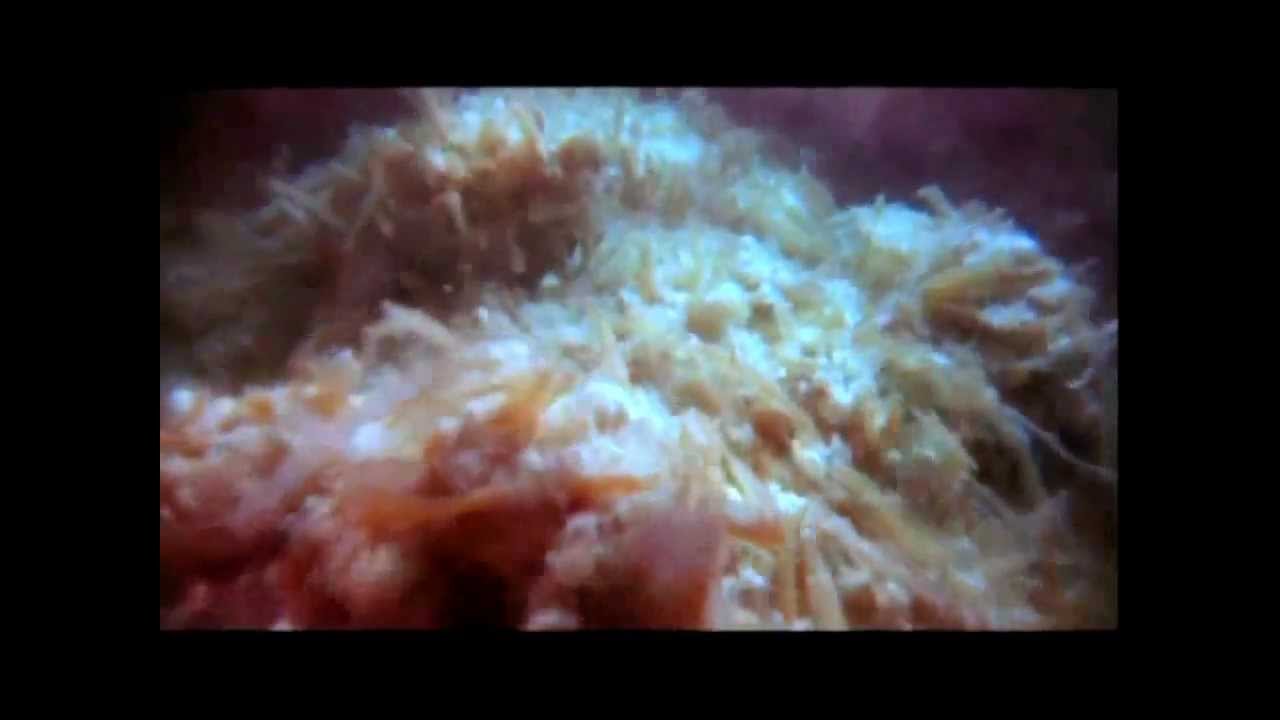
Villi on the inner wall of the small intestine acting like tiny fingers to absorb nutrients.
- The large intestine primarily absorbs water from the remaining indigestible material.
- Beneficial bacteria in the large intestine help break down complex carbohydrates.
- These bacteria produce essential enzymes that humans cannot produce themselves.
- After water absorption, waste is expelled from the body.
The large intestine plays a vital role in water balance and extracting final nutrients through symbiotic bacterial action, preparing waste for efficient elimination.
Bacteria in the gut breaking down fiber that our bodies can't digest on their own.
Key takeaways
- Digestion is a multi-stage process involving both mechanical breakdown (chewing, churning) and chemical breakdown (acids, enzymes).
- Peristalsis is the muscular wave action that continuously moves food through the digestive tract.
- The stomach's acidic environment is crucial for breaking down food and sterilizing it, but requires a protective mucus lining.
- The small intestine's structure, featuring villi, maximizes surface area for efficient nutrient absorption.
- Accessory organs like the pancreas and liver provide essential substances (enzymes, bile) that aid digestion in the small intestine.
- The large intestine's main functions are water absorption and housing beneficial bacteria that aid in digesting otherwise indigestible materials.
- The entire digestive process, from ingestion to elimination, typically takes around 12 hours.
Key terms
DigestionSalivaPeristalsisStomachAcidsMucusSmall IntestineVilliPancreasBileLiverLarge IntestineBacteriaCarbohydrates
Test your understanding
- What is the role of saliva in the initial stages of digestion?
- How does the stomach protect itself from its own digestive acids?
- Why are villi important for the function of the small intestine?
- What are the primary functions of the large intestine?
- Explain the process of peristalsis and its importance in moving food through the digestive system.